"We make ice cream every once in a while for the grandkids but I had never made it with custard base. We tried this recipe this last weekend and it was great. It didn't take long before they had it all ate up."
See More Information on Making Homemade Ice Cream:How to Make Homemade Ice Cream | Types of Homemade Ice CreamHomemade Ice Cream Freezing Methods | Safety & Storage of Homemade Ice CreamTips on Making Homemade Ice Cream | Vanilla Custard | Strawberry
Making homemade ice cream can be done without the use of an ice cream maker.
See More Information on Making Homemade Ice Cream:How to Make Homemade Ice Cream | Types of Homemade Ice CreamHomemade Ice Cream Freezing Methods | Safety & Storage of Homemade Ice CreamTips on Making Homemade Ice Cream | Vanilla Custard | Cookies 'N' Cream
Non-custard style ice cream is made without eggs and does not call for the careful cooking that the custard style ice cream requires.
See More Information on Making Homemade Ice Cream:How to Make Homemade Ice Cream | Types of Homemade Ice CreamHomemade Ice Cream Freezing Methods | Safety & Storage of Homemade Ice CreamTips on Making Homemade Ice Cream | Strawberry | Cookies 'N' Cream
Custard style ice cream is made with a custard base, which contains egg yolks, cream, milk, sugar, and flavoring ingredients.
See More Information on Making Homemade Ice Cream:How to Make Homemade Ice Cream | Types of Homemade Ice CreamHomemade Ice Cream Freezing Methods | Safety & Storage of Homemade Ice CreamVanilla Custard | Strawberry | Cookies 'N' Cream
How to Prevent Too Hard Ice Cream
When ice cream is eaten freshly made, there is not a problem with it becoming too hard.
See More Information on Making Homemade Ice Cream:How to Make Homemade Ice Cream | Types of Homemade Ice CreamHomemade Ice Cream Freezing Methods | Tips on Making Homemade Ice CreamVanilla Custard | Strawberry | Cookies 'N' Cream
Safety Concerns when Making Homemade Ice Cream
When making homemade ice cream, be aware that there is the risk of being infected with Salmonella Enteritidis, a strain of Salmonella.
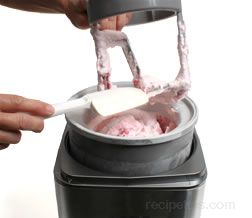
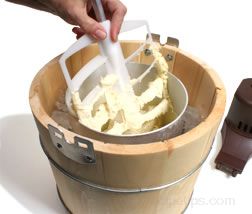
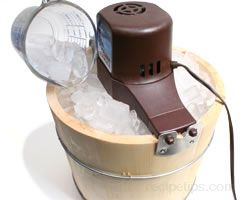
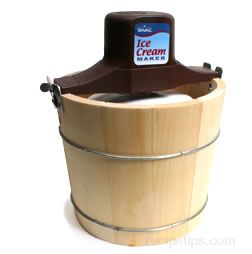
Although this utensil for producing home-made ice cream has changed significantly over the years, many still use the older methods with a hand churn attached to a wooden paddle placed within a wooden or metal container.
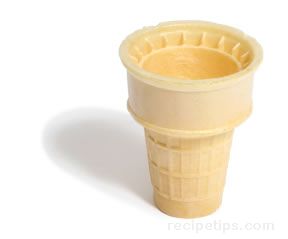
A pastry that serves as an edible container for ice cream and various ice cream types of dessert. The cone is typically a semi-hard to stiff, waffle-textured creation that can range in taste from sweet to bland.
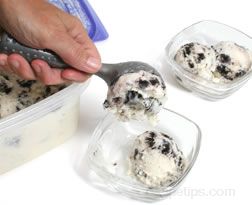
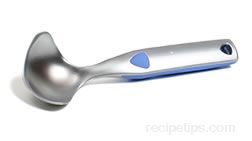
A kitchen utensil that is made to form ice cream into a slightly rounded or a well-rounded ball shape as the ice cream is taken from the container and placed into a cone, a bowl or onto a dessert.