
Loading
Search
We hope you found what you are searching for. If not, contact us and let us know what your want. We will do the work for you and get back to you when we're done.
grains - Glossary Search
Top 119 glossary terms found
Displaying 1-20 | Next 20 >>

A term that is most often used to describe whole grains that have been processed to remove the outer layer on each kernel of grain resulting in a kernel that cannot be classified as whole,/i> once it has been Refined.
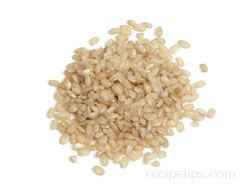
1. A cereal grass that yields grain harvested as an important food crop. Rice is so important that half of the people in the world depend upon it for nearly 50% of their daily intake of calories.
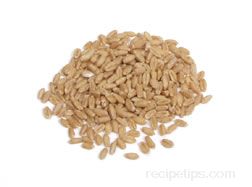
The kernel or seed of food plants that are used as a staple food source throughout the world. Plants such as wheat, barley, corn, oats, rye, and rice, are among the most popular cereal grains.
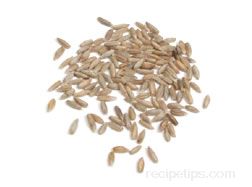
A plant that produces a cereal grain that has a very assertive and hearty flavor with a slightly bitter taste.
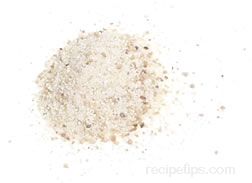
The grain that is produced from grassy plants, which is processed into an edible or ready-to-eat breakfast food.
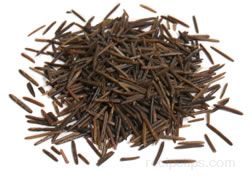
A grain-like plant that is not actually a type of rice, but an aquatic grass bearing edible seeds that grows in wild marshy areas of fresh water lakes and rivers.
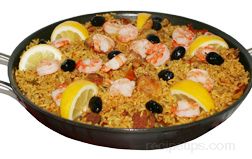
A traditional Spanish one-pan meal made with rice and numerous ingredients including various types of fish, seafood, poultry, sausage, and vegetables.
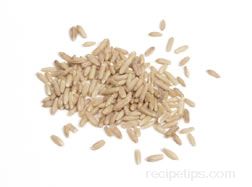
A cereal plant that thrives in temperate climates, preferring cool, moist conditions and growing in areas where other important grains, such as wheat and corn, do not grow well.

The inability of the intestinal tract to digest gluten properly, which, in sufferers with the condition, results in a number of symptoms and conditions whenever gluten is ingested, such as bloating, cramps, and diarrhea.
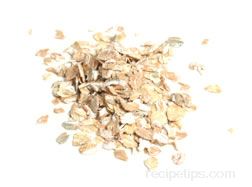
An uncooked breakfast cereal that contains a variety of whole grains or grain flakes. The cereal is available in a wide range of combinations and mixtures.
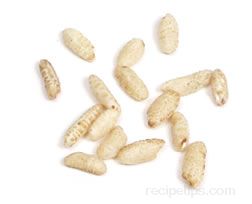
A form of rice in which the rice grains are expanded to a volume that is several times larger than their original size.
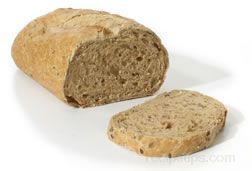
Bread made up of multiple grains, generally six to nine different grains are used, such as oats, rice, corn, triticale, rye, wheat, barley, buckwheat, millet, soy, and flax.
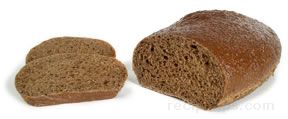
A term that traditionally referred to a type of bread prepared by rural peasants and used as an everyday bread.
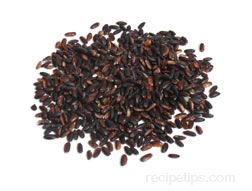
A type of medium-grain Italian rice that is known for its natural black and rust colored grains and its pleasing aroma.
A person who consumes higher levels of plant-based foods such as fruits, vegetables and grains and lower levels of meat products.
Naturally occurring proteins that are contained within foods or liquid and tablet supplements manufactured for the purpose of improving digestion.
A chemical compound, known as an ester, that is created as an alcohol and an acid compound react together, forming a triglyceride.
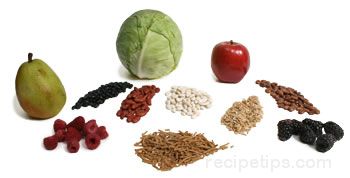
A carbohydrate contained in plant foods such as fruits, legumes, vegetables, and whole grains that cannot be broken down by digested enzymes when they are eaten so they cannot be fully digested.
A diet based on the consumption of plenty of fruits and vegetables, grains, beans, nuts, olive oil, fish, and poultry.
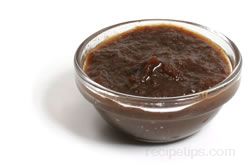
Any of a variety of alternate ingredients that can be used instead of oil or butter in the preparation of foods.
Top 119 glossary terms found
Displaying 1-20 | Next 20 >>


Advertisement
Advertisement