Why Fruits and Vegetables Turn Brown

Enter and View Your Recipes
Advertisement

Why Fruits and Vegetables Turn Brown | Prevent Fruits from Turning Brown | Prevent Vegetables from Turning Brown | Tips
Why Fruits and Vegetables Turn Brown

When fresh fruits and vegetables are peeled or cut open, the enzyme called polyphenol oxidase (also called tyrosinase) contained in the cells is exposed to and reacts with the oxygen in the air. The reaction that occurs, which is called oxidation, is what turns the fruits and vegetables brown. The bruising seen on some fruit, such as apples and pears, is caused by the same type of reaction. If an apple is damaged by being hit or dropped, the apple's cells in that area are damaged and the enzymes are exposed to the air inside the apple, causing them to turn brown. When preparing fruits and vegetables for use, an anti-browning solution should be used to prevent them from turning brown.


Prevent Fruits from Turning Brown

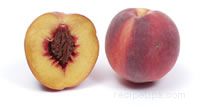
Some of the fruits that turn brown are apples, pears, peaches, and bananas. There are several techniques that can be used to prevent fruit from browning. Some of these anti-browning techniques are shown below.

Fruit

Citrus Juices

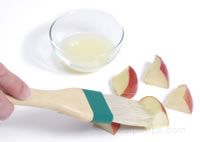
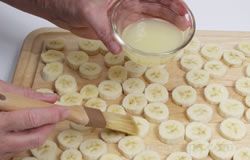
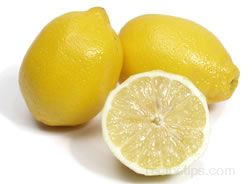
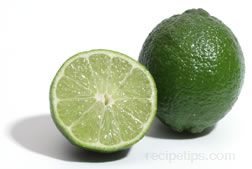
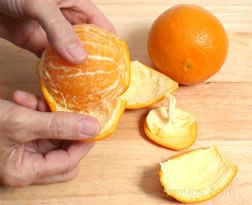
Prevent browning by brushing the surface of the fruit with juice from citrus fruits, such as lemons, limes, oranges, and grapefruits. Lemon juice is often used for this purpose.

Soak in Acidulated Water

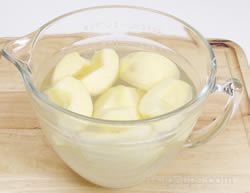
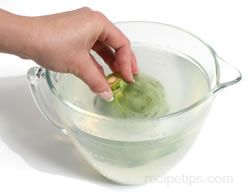
Another method is to place the fruit in water that has had lemon juice or cider vinegar added to make it acidulated. The squeezed lemon can also be cut into slices and added to help acidulate the water. Juice from other citrus fruit can also be used, such as limes, oranges and grapefruit. Use approximately 1/4 cup lemon juice to 1 quart of cold water.

The lemon juice in the water with help reduce the pH on the surface of the fruit and the water will reduce the amount of oxygen the fruit is exposed to.

Do not over soak fruit. Do not allow fruit such as apples to soak for more than 15 minutes and bananas should soak for no more than 3 to 5 minutes. Drain and pat dry before using.

Other Options:

  • Ascorbic acid, a commercial product, can also be added to water to create an anti-browning solution. Ascorbic acid is actually Vitamin C.
  • Dip the slices in lemon-lime soda.
  • Soak apples slices in apple juice until ready to use. The acidity in the apple juice prevents the apple slices from browning and doesn't change the flavor of the apple.


Prevent Fruits and Vegetables from Turning Brown

Some of the vegetables that turn brown are potatoes, sweet potatoes, parsnips, and artichokes. There are several techniques that can be used to prevent vegetables from browning. Some of these anti-browning techniques are shown below.

Vegetables

Cold Water


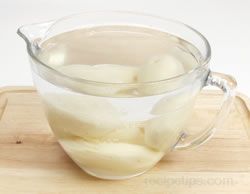
When the potato is completely peeled, place it in cold water immediately until ready to cook or ready to cut to desired size. The cold water will prevent the outer surface of the potato from discoloring.

Acidulated Water

Create the acidulated water by adding lemon juice to cold water. Juice from other citrus fruits, such as limes, oranges, and grapefruit can also be used. Use approximately 1/4 cup lemon juice to 1 quart of cold water. Place the vegetables in the water and allow them to soak until ready to use. Vinegar can also be used in place of the lemon juice.

Other Options:

  • Ascorbic acid, a commercial product, can also be added to water to create an anti-browning solution. Ascorbic acid is actually Vitamin C.
  • Cook the vegetables immediately to deactivate the enzyme. This will stop the reaction from happening and turning the vegetable brown.
  • Rub the cut surface of the vegetable with the cut edge of a lemon.

Tips
  • Instead of using a commercial product containing ascorbic acid, use Vitamin C in the water for soaking fruits and vegetables. Break up and crush a 500-milligram Vitamin C tablet and dissolve in a gallon of water.
  • Be sure the knife you are using to cut up fruits and vegetables does not contain any corrosion. The corrosion will cause fruits and vegetables to brown faster and will increase the amount.

Ratings, Reviews & Comments

There currently aren't any reviews or comments for this article. Be the first!

Why Fruits and Vegetables Turn Brown Article - Related Content

Recipes
Ingredients included in this recipe are water, salt, brown rice, fresh pea pods, halves crosswise, or 1 (6 ounce pkg frozen pea pods, green onions, bias-sliced into 1 inch ...
Cheesy potato casserole topped with a crispy crumb topping. A yummy potato side dish that is sure to be a family favorite.
Ingredients included in this recipe are honey, coarse-ground mustard (sometimes called Country Dijon), salt, pepper, butter, divided, (1 pound) Gold’n Plump® Extra Tender™ ...
Ingredients included in this recipe are For the salad, eggplant, peeled and 3/4 inch diced (small), red bell pepper, 1 inch diced, yellow bell pepper, 1 inch diced, red onion, ...
Ingredients included in this recipe are olive oil or vegetable oil, onion or 3 scallions, chopped (small), garlic, minced, fresh ginger, grated, chopped zucchini, squash, ...
Ingredients included in this recipe are water, tomato puree, Oil, potatoes, peeled and sliced, tomatoes, peeled, chopped coarse, onions, thinly sliced, green beans, cumin, ground ...
Ingredients included in this recipe are String Beans, carrots thinly sliced inch 2 Inch lengths, onions thinly sliced, bamboo shoots cut into 2 inch lengths, celery stock, or 6 ...
Cooking Tips & Advice
See More Information on Canning Vegetables and Fruits:Canning Vegetables and Fruits | Canning PreparationCanning Temperatures and Processing Times | Canning Safety, Storage, and Tips Boiling-Water-Bath | Pressure Canning There are two safe methods that can be used, boiling-water-bath and pressure canning.
See More Information on Canning Vegetables and Fruits:Canning Vegetables and Fruits | Canning Temperatures and Processing TimesCanning Methods | Canning Safety, Storage, and Tips Canning Food Preparation | Canning Jar and Lid Preparation | Packing the Jars There is much preparation that goes into canning vegetables and fruits.
See More Information on Canning Vegetables and Fruits:Canning Preparation | Canning Temperatures and Processing TimesCanning Methods | Canning Safety, Storage, and Tips Canning Supplies | Canning Ingredients Canning is the process used to preserve fruits and vegetables for long term shelf storage.
Steaks and burgers are not the only foods to enjoy on the grill. Add grilled fruits and vegetables to your next cookout menu. Grilling fruit brings out its natural sweetness and the flavor of the grilled vegetables is enhanced when they are lightly charred.
Also, see How to Make:Peach Cobbler | Apple Crisp | Apple Crumble | Blueberry BuckleApple Pandowdy | Blueberry Grunt | Peach Slump Apple Brown Betty Brown Betty is a name given to an early era baked pudding dessert made by those who came to America during the 1600's.
When using apples in a recipe where they are served fresh, let us show you how to prevent apples from turning brown so they will stay looking fresh longer. When cooking apples it is not as much of a concern because once they are cooked, the browning will stop.
Grilling vegetables is a great way to bring out their natural sweetness. As long as you can keep them from falling between to grates. We have tips to keep those grilled vegetables out of the coals and into your mouths. And they will be juicy, too.
Glossary Terms
Chestnut brown in color with a small white-eye, this variety of dried bean is grown on a bush and then dried for use in a variety of foods.
An unusual quick bread flavored with molasses that was developed from the necessity of early New England settlers to make a hearty bread using their limited resources.
A type of quick bread that is very similar to Boston brown bread except that it is baked rather than steamed.
A utensil or process to keep Brown Sugar from hardening. Brown Sugar easily becomes lumpy as the moisture is removed from the sugar and it dries.
Generally considered to be a flavoring or condiment that is used for enhancing the taste of other foods.
A name given to an early era dessert made by those who came to America during the 1600's. There are now numerous variations of this dessert using any type of fruit, but the most well known is Apple Brown Betty or simply Brown Betty.
Berries grown from bushes of prickly ash. Unlike the black, white, or green peppercorns, this fruit is produced from shrubs that are not a part of the Piper species of peppercorn plants.
Reproduction in whole or in part without written permission is strictly prohibited.
© Copyright 2012 Tecstra Systems, All Rights Reserved, RecipeTips.com