Grilling Marinades and Rubs

Enter and View Your Recipes
Advertisement

Marinating | Marinades | Rubs | Rub Spices and Seasonings

Marinating

Soaking various cuts of meat in a marinade is a good method for adding flavor as well as helping to tenderize the meat.

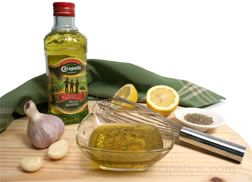
A proper marinade should contain an acidic ingredient such as vinegar or wine, oil such as olive oil, and seasonings such as herbs and spices. Citrus fruit juices may be used in place of the vinegar or wine to provide the acidic ingredient that is necessary to soften the tissues of the meat.

There are several important points to remember when using a marinade:

  • The marinade should totally cover the meat in order for it to work effectively.
  • When using tender cuts of beef, a soaking time of 2 hours or less is all that is required because the marinade is used basically to flavor the meat. Tougher cuts of beef should be soaked in the marinade for at least several hours or overnight in order to tenderize the meat as well as flavor it.
  • Always marinate meat in the refrigerator.
  • Since the marinade contains an acidic ingredient, reactive containers such as metal bowls should not be used. It is best to use containers such as glass or plastic bowls or plastic bags that can be sealed.
  • Marinades containing tomato or sugar should be used towards the end of grilling or broiling, since they tend to burn food.
  • Marinades containing oil or butter tend to cause flare-ups when meat is grilled.
  • When meat has been marinated for a long period of time it will shorten the cooking time. Twelve hours of marinating will reduce the cooking time by 30 to 35%.

Reuse: The marinade should not be reused for any other purpose because of the bacteria that may be present from having been in contact with the raw meat. The only way the marinade can be reused is to boil it thoroughly for use as a basting liquid or as part of a sauce for the meat.


Marinades

Beef/Pork Marinades Poultry Marinades Fish Marinades
Combine: ½ cup red wine vinegar, 3 tbsp cooking oil, 1 tbsp mustard (preferably Dijon style), 3 garlic cloves (minced), 1 tsp Italian seasoning, ½ tsp course black pepper. Combine: ¼ cup cooking oil, ¾ cup dry white wine, 1 clove (minced) garlic, 1 finely chopped onion, ¼ tsp celery salt, salt and course black pepper to taste. Combine: 1 fresh jalapeño pepper (seeded & minced), 3 cloves (minced garlic), 1 tbsp. ginger, ¼ cup lemon juice, ½ cup dry white wine, ½ tsp sugar, ¼ cup cooking oil.
Combine: ¾ cup cooking oil, 2 cups beer, 2 garlic cloves (minced), 3 tbsp lemon juice, 1 tbsp salt, 2 tbsp sugar. Combine: 1 ½ cups dry white wine, ¼ cup cooking oil, 2 tsp garlic powder, 6 oz. soy sauce, 1 small chopped onion. Combine: 4 tbsp lemon juice, ¾ cup cooking oil, 3 cloves garlic (minced), minced fresh onion (if desired).


Rubs

An additional option for tenderizing beef, as well as adding flavor, is with the use of a rub. A dry mix of herbs and spices are applied to the raw beef and are allowed to permeate and flavor the meat over a period of time, usually overnight in the refrigerator. An endless variety of rubs can be prepared for beef depending on the types of flavors that you want to add to the meat.

  • Application: A rub mixture can be rubbed onto the meat, but the moisture from the meat can cause the dry ingredients to stick to your hands. The best results often occur when the ingredients are sprinkled evenly on all sides.
  • Ingredients: Some of the ingredients that may be used for a dry rub include black pepper, cumin, chili powder, crushed red pepper, celery seed, garlic powder or fresh crushed or minced garlic, salt, and brown sugar.
  • Paste Rub: A small amount of liquid may be added to the mixture in order to create a dry paste, which may be preferred in some cases. Some of the liquids that are often used are vinegar, cider vinegar, wine, or fruit juice.
  • Sugar Usage: Use sugar sparingly because it will melt and burn during the cooking process, especially if the beef is grilled or broiled. Too much of the burnt sugar will provide unpleasant results. Only a small amount of sugar is necessary to provide adequate flavor.


Popular Rub Spices and Seasonings

  • Course Black Pepper
  • Course Salt
  • Lemon Pepper
  • Red Pepper
  • Minced Garlic
  • Garlic Powder/Salt
  • Thyme
  • Ground Cumin
  • Chili Powder
  • Dried Oregano
  • Cayenne Pepper
  • Italian Seasoning
  • Rosemary
  • Basil
  • Sugar
  • Brown Sugar
  • Ground Mustard
  • Grated Lemon Peel
  • Grated Orange Peel
  • Grated Lime Peel

Experiment with your own blends or try one of these:

3 tbsp. Salt
3 tbsp. Brown Sugar
3 tbsp. Ground Cumin
3 tbsp. Chile Powder
3 tbsp. Course Black Pepper
1 tbsp. Cayenne Pepper

or

2 tbsp grated lemon peel
2 tsp crushed rosemary
3 garlic cloves (minced)
Add: salt, ground black pepper to taste

Ratings, Reviews & Comments

There currently aren't any reviews or comments for this article. Be the first!

Grilling Marinades and Rubs Article - Related Content

Recipes
Ingredients included in this recipe are red cooking wine, red wine vinegar, liquid smoke, sugar, garlic powder, pepper, onion powder, steak seasoning.
Add flavor, creativity and an antioxidant punch to grilling marinades with a delicious mix-and-match recipe.
Challenge yourself and try an adventure in making pizza dough that will trump any pizza restaurant! This recipe has been specially written for grilled pizza.
You can use this marinade for anything from steak, chicken to seafood.
Great for those that like a little sweet with their grilling.
Cooking Tips & Advice
Marinating | Marinades | Rubs | Rub Spices and Seasonings Marinating Soaking various cuts of meat in a marinade is a good method for adding flavor as well as helping to tenderize the meat.
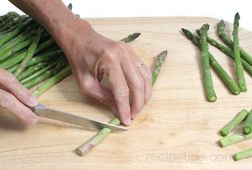
Grilling asparagus is fast, easy and delicious, requiring very little oil and just a sprinkle of salt to bring out the full flavor. Even people who dislike asparagus when it's been steamed often like it quite a bit when it's grilled.
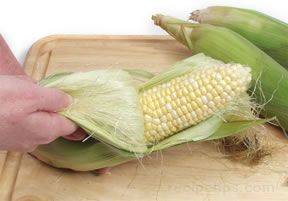
If you've never cooked corn on the cob on the grill, you don't know what you're missing. Get started by watching this video demonstration, which shows you one of the numerous methods for grilling sweet corn.
Guidelines for Proper Doneness The proper doneness of foods cooked with rotisserie grilling is determined by a number of criteria depending on the type of food that will be cooked and the size and density of the food.
Rotisserie Grilling Lamb | Rotisserie Roasting a Whole Lamb | Doneness For general guidelines on rotisserie grilling, see Rotisserie Grilling Basics. Rotisserie Grilling Lamb Cuts of lamb that have a basic cylindrical shape and a fairly even distribution of weight are suitable for cooking on a rotisserie.
Rotisserie Grilling Beef | Doneness For general guidelines on rotisserie grilling, see Rotisserie Grilling Basics. Rotisserie Grilling Beef There are two methods of cooking beef using a rotisserie: direct heat cooking and indirect heat cooking.
Rotisserie Grilling Turkey | Rotisserie Review | Turkey Doneness For general guidelines on rotisserie grilling, see Rotisserie Grilling Basics. Rotisserie Grilling Turkey Whole Turkey | Turkey Parts Rotisserie Grilling a Whole Turkey It is important to first follow the proper setup procedures for the grill when cooking food with rotisserie grilling.
Glossary Terms
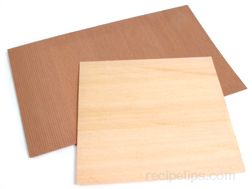
Flexible and paper-like with a stiff consistency, this cooking tool is used to flavor foods that are being grilled.
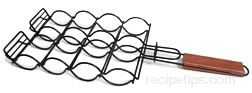
Made from steel that is formed into half-round holders, this type of utensil is designed to roast multiple ears of corn on the cob on grills and open fires.
A grilling utensil that is made to hold a canned beverage (beer, juice, or carbonated drinks) so that it is stable as the can rests inside the cavity of a whole bird while it is grilling for vertical roasting.
A wooden board used to hold food while it is being grilled, that serves to provide a moist and somewhat smoky flavor to the food as well as preserving the nutrients within the food.
A wide range of woods are suitable for use in a grill. Hardwoods are much better than softwoods because hardwoods burn longer and provide more heat.
A method of cooking in which food is placed on a grill directly over a fuel source such as charcoal or wood so that the surface burns or chars slightly.
Reproduction in whole or in part without written permission is strictly prohibited.
© Copyright 2012 Tecstra Systems, All Rights Reserved, RecipeTips.com