
Loading
Search
We hope you found what you are searching for. If not, contact us and let us know what your want. We will do the work for you and get back to you when we're done.
types of grain Search


Ingredients included in this recipe are Yukon gold potatoes, peeled and quartered, peeled garlic (large cloves), bay leaf (large), fresh thyme, whole milk, Heavy cream, butter.
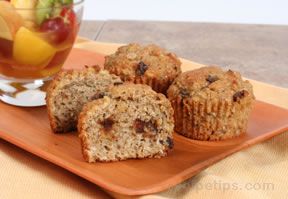
A tasty, moist muffin.
Ingredients included in this recipe are Near East Tabbouleh (5.25 ounce box), fresh lemon juice, red onion, minced, Roma tomatoes, small dice, English eucumber, small dice, yellow ...
Ingredients included in this recipe are whole wheat flour, total raisin bran cereal, packed brown sugar, baking powder, Salt, ground cinnamon, eggs, lightly beaten, buttermilk, ...
Ingredients included in this recipe are shortening, white sugar, Brown Sugar, Eggs, baking powder, Salt, baking soda, flour, milled flax seed, wheat germ, oatmeal.
Ingredients included in this recipe are Milk, bran cereal, egg, vegetable oil, molasses or honey, firmly packed brown sugar, oats, uncooked, all-purpose flour, baking powder, ...
Ingredients included in this recipe are Eggs, skim milk, canola oil, unsweetened applesauce, vanilla, whole wheat flour, flax seed meal, wheat germ, flour, baking powder, Sugar.
Top 0 collections found
Sorry, no collections were found.
Top 0 collections found
Top 51 articles found
Displaying 1-20 | Next 20 >>
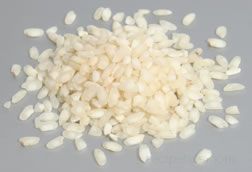
Classifications of RiceShort-grain Rice Varieties | Medium-grain Rice Varieties | Long-grain Rice Varieties
Some grains, such as rice, are available in many different types and varieties.
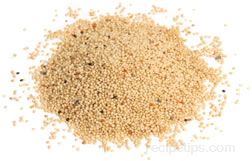
General Nutritional Facts of Grains | Specific Nutritional Facts of Individual Grains
General Nutritional Facts of Grains
Grains are composed primarily of carbohydrates, but the quantity varies according to the type of grain.
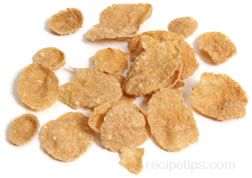
Described below are some of the products (including flour) created directly from various grains. Other than a few exceptions, products that are created after the grain has been ground into flour are not described, because they are so numerous.
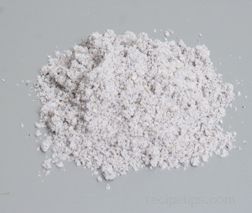
Corn | Rice | Rye | Other Grains
Types of Flour Ground from Corn
Several varieties of corn are used to produce different types of corn flour. The degree in which the corn is milled and processed also determines the type of flour that is produced.
General Guidelines | Recommended Storage Methods for Whole Grains
General Guidelines
Like many other foods, grains are perishable; however, the shelf life of grains is usually much longer than that of most foods.
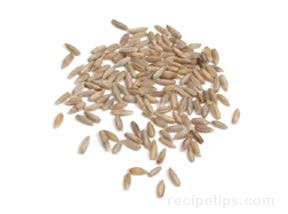
Hot Liquid Cooking Techniques for Grain | Cooking Rye
The three basic techniques for cooking rye with hot liquid are boiling, absorption, and steaming, which are perhaps the most popular methods for cooking most whole grains.
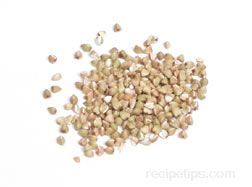
Hot Liquid Cooking Techniques for Grain | Cooking Buckwheat
The three basic techniques for cooking buckwheat with hot liquid are boiling, absorption, and steaming, which are perhaps the most popular methods for cooking most whole grains.
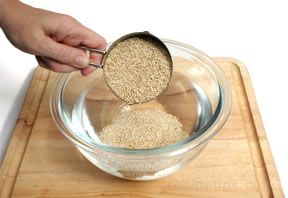
Cleaning/Rinsing Grain | Soaking Grain | Toasting Grain
Preparation of whole grains before cooking is fairly simple: most require only washing or soaking before they can be cooked.
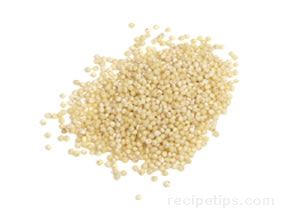
Hot Liquid Cooking Techniques for Grain | Cooking Millet
The three basic techniques for cooking millet with hot liquid are boiling, absorption, and steaming, which are perhaps the most popular methods for cooking most whole grains.
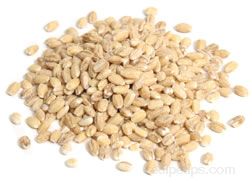
Hot Liquid Cooking Techniques for Grain | Cooking Barley
The three basic techniques for cooking barley with hot liquid are boiling, absorption, and steaming, which are perhaps the most popular methods for cooking most whole grains.
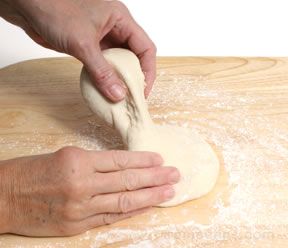
Nutritional Advantages | All About Gluten
Nutritional Advantages of Various Types of Flour
Most types of flour are composed mainly of carbohydrates, but the quantity varies according to the type of substance used to create the flour.
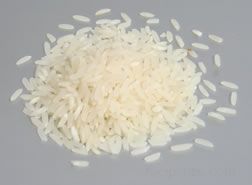
When purchasing grains, it is important to read and understand the label to ensure that the products you purchase are what were intended and are of the best possible quality....
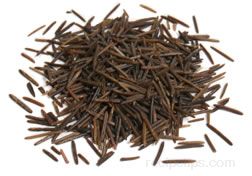
Hot Liquid Cooking Techniques for Grain | Cooking Wild Rice
The three basic techniques for cooking wild rice with hot liquid are boiling, absorption, and steaming, which are perhaps the most popular methods for cooking most whole grains.
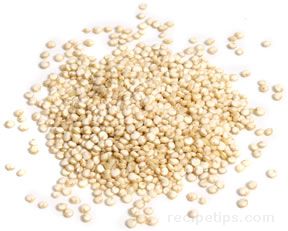
Hot Liquid Cooking Techniques for Grain | Cooking Quinoa
The three basic techniques for cooking quinoa with hot liquid are boiling, absorption, and steaming, which are perhaps the most popular methods for cooking most whole grains.
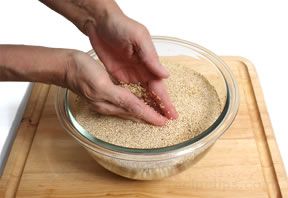
Grinding or milling various types of flour in the home can be accomplished with only a few basic tools. Some tools make the job easier and some types of flour are easier to create depending on the type of grain or other substance that is used.
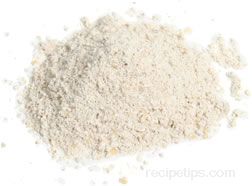
Types of Wheat Flour | Types of Non-Wheat FlourImportance of Gluten | Wheat/Non-Wheat Flour Proportions
Flour is the main ingredient in all types of breads. Different types of flour milled from wheat are most commonly used for making bread.
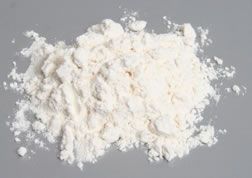
Types of Flour Ground from Wheat
One of the primary reasons for the popularity of wheat flour is due to its gluten forming capacity when the flour is mixed with liquid. Gluten is the substance that provides dough with elasticity and the ability to stretch as the leavening agent produces carbon dioxide gas, which enables the dough to rise effectively.
Cooking Techniques | Match the Type of Rice with the Proper Cooking Method
Cooking Techniques
The three basic techniques for cooking rice with hot liquid are boiling, absorption, and steaming, which are perhaps the most popular methods for cooking all whole grains.
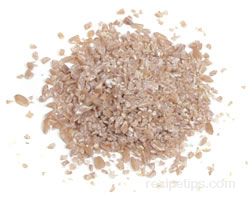
Described below are some of the products (including flour) created directly from wheat. Other than a few exceptions, products that are created after the grain has been milled into flour are not described, because they are so numerous.
Top 51 articles found
Displaying 1-20 | Next 20 >>
Top 38 glossary terms found
Displaying 1-20 | Next 18 >>
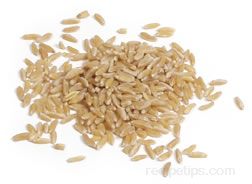
The brand name for a type of grain that is closely related to durum wheat and is often considered a specialty grain.
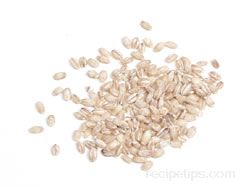
A reference to grain in which the bran layers have been removed. The removal of the bran layers results in grain with much less fiber, which is less healthful than grain that retains the bran.
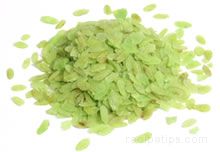
Grain that is pressed using a process that steams and rolls the grain to produce flattened, or flaked, kernels.
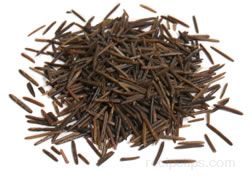
A grain-like plant that is not actually a type of rice, but an aquatic grass bearing edible seeds that grows in wild marshy areas of fresh water lakes and rivers.
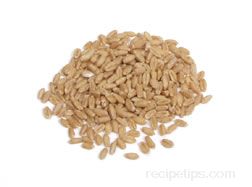
The kernel or seed of food plants that are used as a staple food source throughout the world. Plants such as wheat, barley, corn, oats, rye, and rice, are among the most popular cereal grains.
The largest portion of a grain kernel containing most of the protein and carbohydrates, but only small quantities of vitamins and minerals.
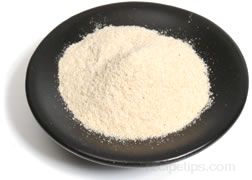
1. A product created by grinding and sifting various types of substances, such as grains, legumes, nuts, and some vegetables into a powdered form that varies from very soft to coarse in texture.
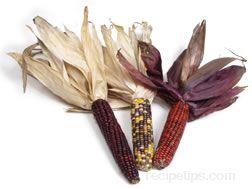
A tall cereal plant (growing to a height of up to 10 feet) that is immediately recognizable because of its long, drooping leaves extending from an inner stalk and strong jointed stems supporting large ears ranging in length from a half foot to one foot, which contain the corn kernels.
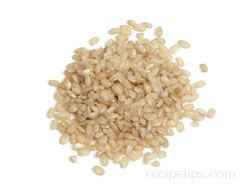
A classification of rice in which the grains must be less than two times longer than they are wide. Some short grain rice varieties are about as long as they are wide (making them almost round).
A plant that is a member of the grass family bearing a fruiting head that yields a grain that is most often ground into flour or meal.
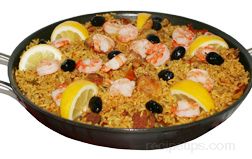
A traditional Spanish one-pan meal made with rice and numerous ingredients including various types of fish, seafood, poultry, sausage, and vegetables.
A term that is most often used to describe whole grains that have been processed to remove the outer layer on each kernel of grain resulting in a kernel that cannot be classified as whole,/i> once it has been Refined.
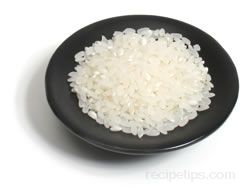
Rice that has a length that is 2 to 3 times its width. When cooked, the rice tends to remain moist and tender, with a moderate stickiness, clinging together more than long grain.
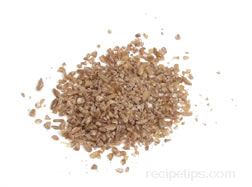
Grain, such as oats, wheat or corn that has been processed by slicing or cracking the whole kernel into very coarse, coarse, medium or fine bits to enable the grain to cook faster....
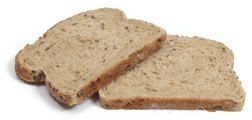
A type of yeast bread that is made with ground whole-wheat flour rather than processed white flour. Whole-grain flour produces bread that is brown in color and more flavorful than bread prepared with white flour.
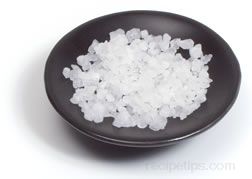
A chemical compound, technically referred to as sodium chloride, that can be mined from the ground (mined salt) or harvested from the sea (solar salt).
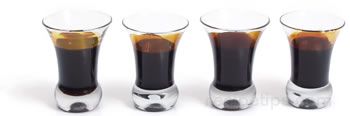
A thick, strong flavored syrup, produced as a by-product when sugar is refined through several boilings of sugar cane or sugar beets.
A long-grain variety of rice with red bran that is cultivated in India and has not been milled. Indian red rice has a nutty flavor and is reddish-tan in color.
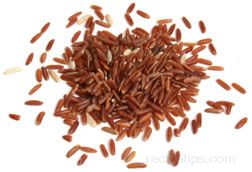
A long-grain variety of rice with red bran that is cultivated in Nepal. Himalayan red rice has a rich, nutty flavor and a deep red color when cooked.
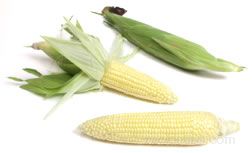
A type of corn that is often considered to be a vegetable rather than a grain because it is most often eaten fresh like a vegetable.
Top 38 glossary terms found
Displaying 1-20 | Next 18 >>
Top 0 videos found
Sorry, no Cooking Videos were found.
Top 0 videos found
Top 0 newsletters found
Sorry, no Newsletters were found.
Top 0 newsletters found
Top 0 forums found
Sorry, no Forums were found.
Top 0 forums found
Top 1 blogs found
Displaying 1-1
Top 1 blogs found
Displaying 1-1


Advertisement
Advertisement