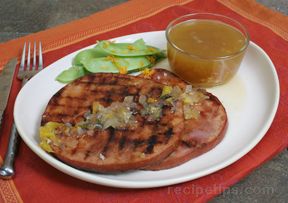
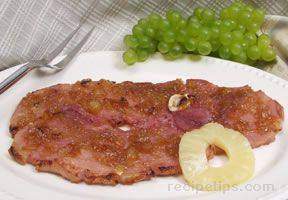
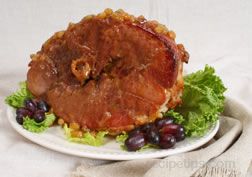
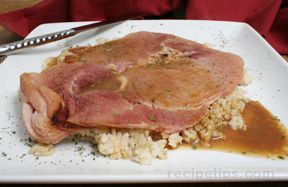
"I made this recipe for a get-together at my house tomorrow. I baked it like the directions say but I am going to slice it and put it in the crock pot for my company tomorrow...." Reviewed By: GrannyGrunt
"I made this recipe for a get-together at my house tomorrow. I baked it like the directions say but I am going to slice it and put it in the crock pot for my company tomorrow. I really liked the glaze, reminded me of what my mom would make."
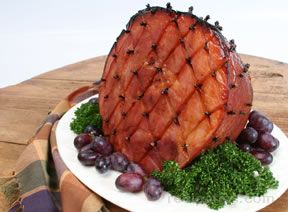
Ham is usually served on the holidays, so be sure to read our tips to learn how to cook and bake the perfect ham for your guests. There are many ham glaze recipes that can be used to enhance the flavor of ham and there are many different methods of cooking ham that can be used. When you end up with excess ham after a meal there are many leftover ham recipes that you can make to use up the leftovers.
Grilling | Grilling Method & TimeGrilling Ham Slices | Grilling Whole Ham | Tips
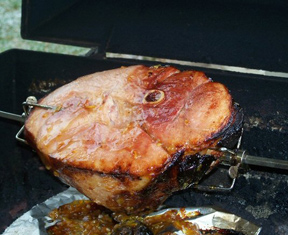
Grilling is a dry heat cooking method that quickly cooks the surface and then slowly moves to the middle.
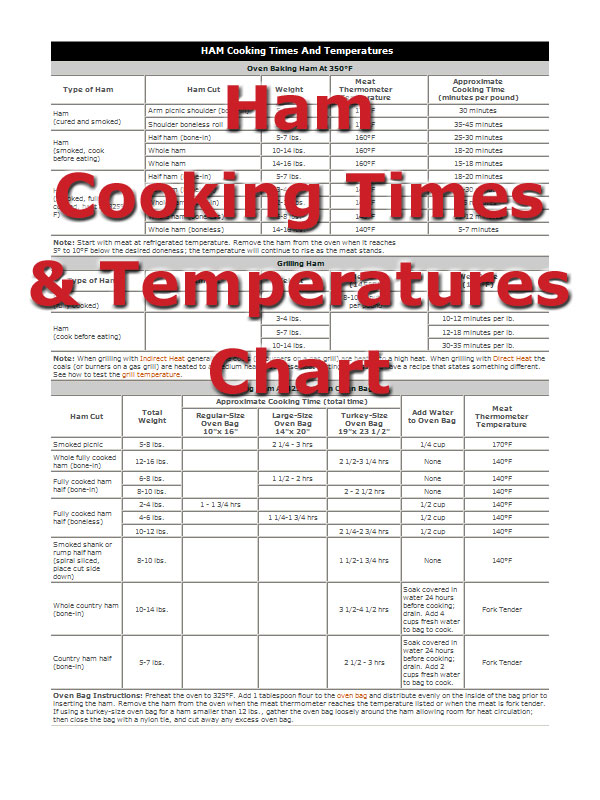
The proper ham cooking time and temperature are extremely important. The optimum flavor and tenderness of the ham can be consistently achieved when care is taken to follow the recommended guidelines for ham cooking times and temperatures.
This type of ham can be a
butt or shank portion or it could be a whole or half leg that has
the hip, thigh and/or shank bone remaining as part of the ham.
A type of ham that is Spanish in origin and produced exclusively from rare Iberian pigs, which are descendents of the wild boar and are the last European free-range pig breed.
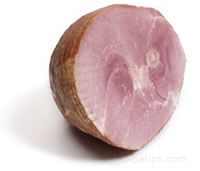
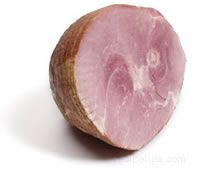
A processed cut taken from the bottom half of the leg. The shank end contains less fat, is not as meaty as the butt end, but it contains only one leg bone, making it easier to carve.
A processed cut taken from the top half of the leg. The butt end is meatier but contains more fat than the shank end of the whole ham and is harder to carve because it contains the hip and pelvic bone.
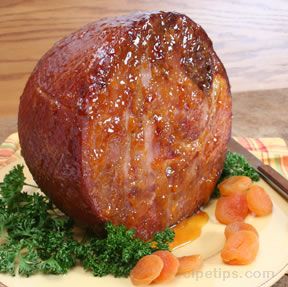
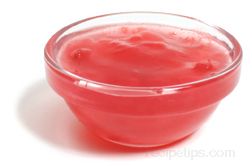
A meat topping that is spread over a Ham prior to baking in order to enhance the flavor of the meat after it has finished baking and to help keep the Ham moist and tender in texture.