
Ice Wine (wine)

White wine produced from grapes that are kept on the vine until the first deep frost. Grapes are then typically pressed while still frozen. Discovered unexpectedly in Germany in the 1700's when a crop of grapes were partially frozen due to an early frost, ice wine is now produced in colder climates throughout Europe and North America. To produce this wine, the grapes are covered with netting and not harvested until temperatures are 10 to 20 degrees Fahrenheit or -7 to -12 degrees Celsius. As the grape is processed, the water is removed in the form of ice and the highly concentrated juices that remain are then fermented into wine. Artifical freezing is not allowed. Due to small yields and the risks involved with harvesting the crop at exactly the right time, icewine is expensive and therefore, sold in half bottles.

Also known as: Eiswein (German), and Ehren Felser Icewine (a cross between Riesling and Sylvaner varietals).

The German wine law is categorized by two qualities of wine, Qualitätswein (high quality wine) and Tafelwein (table wine). German Eiswein is considered a Qualitätswein and is governed by those rules.

The Niagara region of Ontario, Canada is a highly respected producer. Canadian Icewine is governed by Vintners Quality Alliance.

Riesling is the most popular grape varietal used in the production of Icewine, though it is also produced with Verdelet (red varietal), Vidal, Pinot Noir, Sylvaner, Pinot Blanc, Gewürztraminer, and Chenin Blanc varietals.

Characteristics: Intensely sweet, rich, flavorful wine, high in sugar and acidity that is balanced by the sweetness. The wine provides flavors of apricot, peach, mango and melons with a somewhat nutty aroma.

Ageing: Though capable of long ageing, it can be drunk young.

Serving temperature: Serve at a temperature of 41º-46º F.

Serve in a small cordial glass, pour approximately 2 ounces.

Food pairings: Ideal on its own, at it's best when served with dessert. Avoid those desserts that are extremely sweet and sweet-chocolate based.

Ratings, Reviews & Comments

There currently aren't any reviews or comments for this term. Be the first!

Ice Wine (wine) Glossary Term - Related Content

Recipes
Ingredients included in this recipe are eggs, Sugar, real vanilla, heavy whipping cream, Eagle Brand condensed milk, whole milk.
Ingredients included in this recipe are STRAWBERRY:, , sweetened condensed milk (14 oz can), half and half, Cool Whip, thawed, vanilla.
Ingredients included in this recipe are cold whole milk, club soda (seltzer).
Our Valentine Ice Cream Cookies are cool treats for warm hearts on Valentine's Day. They are easy to make and you will have fun handing them out to all your special Valentines.
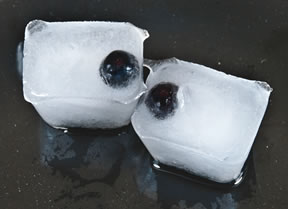
Use these eyeball ice cubes to chill your favorite drink. Just don’t turn your back on them!
Ingredients included in this recipe are russet potatoes, cream cheese, sour cream, salt.
Ingredients included in this recipe are jello gelatin of different flavors (large packages).
Cooking Tips & Advice
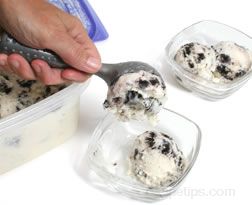
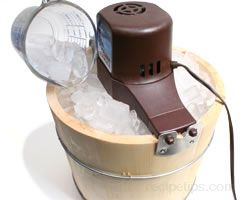
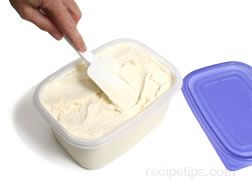
See More Information on Making Homemade Ice Cream:How to Make Homemade Ice Cream | Types of Homemade Ice CreamSafety & Storage of Homemade Ice Cream | Tips on Making Homemade Ice CreamVanilla Custard | Strawberry | Cookies 'N' Cream There are several different freezing methods that can be used when making homemade ice cream.
See More Information on Making Homemade Ice Cream:How to Make Homemade Ice Cream | Types of Homemade Ice CreamHomemade Ice Cream Freezing Methods | Safety & Storage of Homemade Ice CreamTips on Making Homemade Ice Cream | Vanilla Custard | Strawberry Making homemade ice cream can be done without the use of an ice cream maker.
Eyeball Ice Cubes Ingredients: Makes a tray full of eyeballs Blueberries Ice cube trays Place 1 blueberry in each compartment of an ice cube or ice ball tray.
See More Information on Making Homemade Ice Cream:How to Make Homemade Ice Cream | Types of Homemade Ice CreamHomemade Ice Cream Freezing Methods | Safety & Storage of Homemade Ice CreamVanilla Custard | Strawberry | Cookies 'N' Cream How to Prevent Too Hard Ice Cream When ice cream is eaten freshly made, there is not a problem with it becoming too hard.
See More Information on Making Homemade Ice Cream:How to Make Homemade Ice Cream | Types of Homemade Ice CreamHomemade Ice Cream Freezing Methods | Tips on Making Homemade Ice CreamVanilla Custard | Strawberry | Cookies 'N' Cream Safety Concerns when Making Homemade Ice Cream When making homemade ice cream, be aware that there is the risk of being infected with Salmonella Enteritidis, a strain of Salmonella.
See More Information on Making Homemade Ice Cream:How to Make Homemade Ice Cream | Types of Homemade Ice CreamHomemade Ice Cream Freezing Methods | Safety & Storage of Homemade Ice CreamTips on Making Homemade Ice Cream | Vanilla Custard | Cookies 'N' Cream Non-custard style ice cream is made without eggs and does not call for the careful cooking that the custard style ice cream requires.
See More Information on Making Homemade Ice Cream:How to Make Homemade Ice Cream | Types of Homemade Ice CreamHomemade Ice Cream Freezing Methods | Safety & Storage of Homemade Ice CreamTips on Making Homemade Ice Cream | Strawberry | Cookies 'N' Cream Custard style ice cream is made with a custard base, which contains egg yolks, cream, milk, sugar, and flavoring ingredients.
Glossary Terms
Wine made from grapes that were harvested in a specific year. The date is denoted on the label of the wine.
Wine made from basically one variety of grape. The wine is labeled for the single grape variety or the most prominent grape variety used to produce the wine.
Descriptor of wine that has bubbles. The bubbles are created by carbon dioxide gas that has occurred naturally or through secondary fermentation or has been added intentionally.
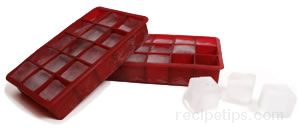
A traditional small block of frozen water that is used to keep beverages and foods cool while they are being stored, prepared, served, and consumed.
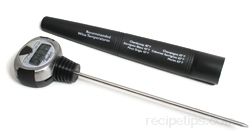
Designed to measure the temperature of liquids, the Wine Thermometer is useful for keeping beverages at the ideal or the desired temperature.
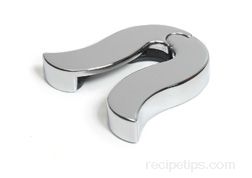
A utensil used to remove the foil covering from the spout of wine bottles. Often carried in the pockets of restaurant sommeliers, the Foil Cutter helps to ease the removal of the cork, enabling a slit to be cut into the foil as the Cutter is rotated around the bottle spout.
A type of tray built to serve appetizers while also holding wine glasses. Made from plastic, wood, metal, or composites, the Appetizer and Wine Serving Tray is designed to function as either individual serving trays for each guest or as a larger version with multiple glass holders so wine and appeatizers can be served to guests as the tray is carried around.
Enter and View Your Recipes
Advertisement
Reproduction in whole or in part without written permission is strictly prohibited.
© Copyright 2012 Tecstra Systems, All Rights Reserved, RecipeTips.com