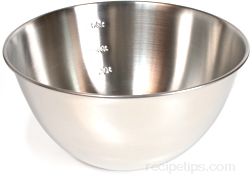
A pan or bowl made of non-porous material the does not alter or add a flavor to or change the color of a food being prepared. Stainless steel, glass, enamel, and glazed ceramic are examples of non-porous materials that do not adversely affect the taste and appearance of foods such tomatoes or citrus fruits that are high in acidic content and may react with absorb components of porous subtances.
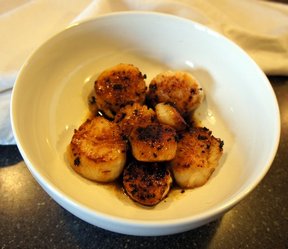
Scallops that are seasoning simply and seared to perfection. The light sauce picks up all the flavor from the bottom of the pan. Perfect served over pasta.
Ingredients included in this recipe are frozen hash browns (2 lb. bag), butter, melted, Salt, pepper, onion, chopped, cream of chicken soup, Cheddar cheese, shredded.
Sautéing | Pan-Frying
Sautéing
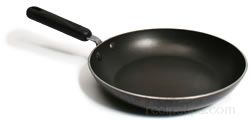
Sautéing is the technique of cooking thin cuts of lamb in a small quantity of hot fat in an uncovered pan. This is considered a 'dry heat' method because fat does not contain water.
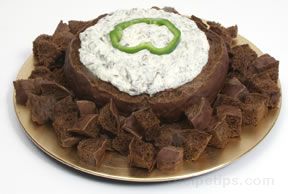
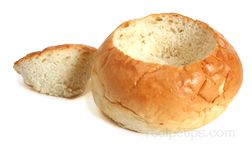
Edible Bread Bowl
You will need a round loaf of bread, such as Rye or Sour Dough. Keep in mind that a bread that is too soft will absorb the dip quickly and will become soggy.
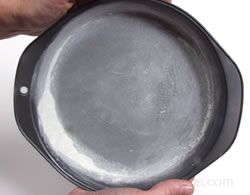
Proper pan preparation will result in easy removal of the finish baked goods. There are several preparation methods that work well. Read the recipe carefully to identify the proper method to use.
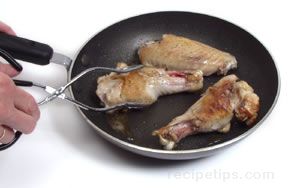
Pan-frying is similar to sautéing except that a little more oil is used, the turkey pieces are larger and thicker, and the cooking process usually requires more time. High heat is used to sear the turkey pieces in order to brown the surface and seal in the natural juices.
Pan-frying is similar to sautéing except that a little more oil is used, the cuts of beef do not have to be thin, and the cooking process may require more time. Like sautéing, high heat is used to sear the meat, creating a flavorful browned crust.