
Loading
Search
We hope you found what you are searching for. If not, contact us and let us know what your want. We will do the work for you and get back to you when we're done.
rum extract - Glossary Search
Top 10 glossary terms found
Displaying 1-10
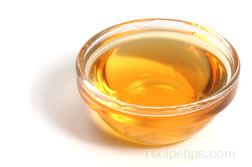
A flavoring typically in liquid form that is made from rum. Although the alcohol content is very small, if a non-alcohol based extract is desired for various tastes or traditions it is available in some food stores.
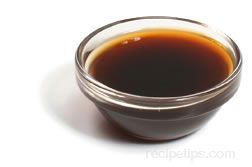
A liquid flavoring derived from a vanilla bean grown in the pod of a plant that is a member of the orchid family.
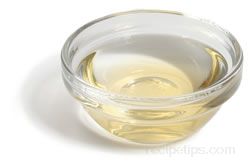
The distilled or evaporated oils of foods or plants (such as nuts, seeds, fruits, vegetables, herbs, spices, bark, buds, roots, leaves, meat, poultry, seafood, fish, dairy foods, or eggs) that are dissolved in an alcohol base or allowed to dry to be used as a flavoring.
A peppermint flavoring, used in baked goods and other desserts, which is made from the essential oils of fresh peppermint leaves.
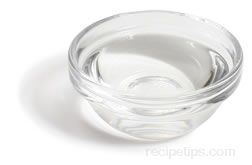
A flavoring produced from dissolving the oil of anise seeds into alcohol. The extract has a sweet licorice taste and is used as a flavoring for cooking.
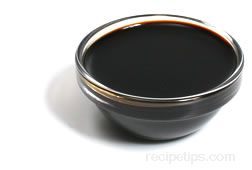
A food flavoring extracted from oils within sugar maple trees that is processed into a combination of maple flavoring with an alcohol base.
A concentrated flavoring made from the combination of almond oil with alcohol. It is used as a flavoring in many recipes, especially cakes and pastries and it can be purchased in various sized bottles.

A flavoring for use in providing the taste of champagne to various recipes. Typically, this extract is very concentrated, providing a very intense flavor so it is best to make sure the amount being added is not too excessive for the recipe.
Solid substance present in wine that can be recovered after the evaporation of water and alcohol. The higher quantity of these solid substances results in wine higher in body.
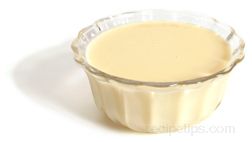
A French term used to describe a light custard sauce that is prepared with egg yolks, sugar, hot milk, and cream.
Top 10 glossary terms found
Displaying 1-10


Advertisement
Advertisement