
Loading
Search
We hope you found what you are searching for. If not, contact us and let us know what your want. We will do the work for you and get back to you when we're done.
refined olive oil - Glossary Search
Top 61 glossary terms found
Displaying 1-20 | Next 20 >>
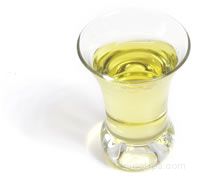
The oil produced from manual or machine pressing of the fruit (olives) from the olive tree. The flavor and color of the olive oil produced from the same variety of olive may vary significantly from one region to the next as well as from grower to grower, since soils and environment will have an effect on creating different flavors within olives grown in the same area.

A type of olive oil that has been highly processed in order to neutralize defects in the oil. Among the defects are a natural acidity higher than 3.3%, poor flavor, and an unpleasant odor.
The lowest grade of virgin olive oil: It is not fit for human consumption. It has a natural acidity above 3.3% and may also have an unpleasant taste and aroma.
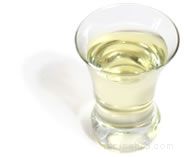
A type of olive oil marketed as an extra light version of virgin olive oil. The name can be somewhat deceiving because many consumers believe that this type of olive oil is lower in calories than other types of olive oil, which is not true.
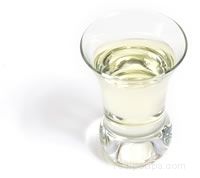
A term that refers to olive oil that is light in flavor: It is not a designation for olive oil that is low in calories.
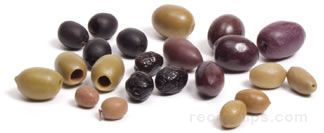
The fruit from the olive tree that is small and round with a pit or stone surrounded by the flesh. Olives vary in color from bright green to brownish red and black, depending on maturity and ripeness when the fruit was picked.

A bottle that is typically formed in a manner, such as tall and narrow, for use in conveniently holding and dispensing olive oil.
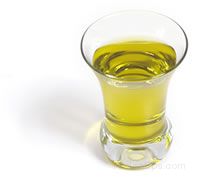
A term that refers to large quantities of olive oil shipped to bottlers from various regions of a country or from several different countries.
A type of low grade olive oil that must be refined before it can be sold for human consumption. The oil is obtained from the residue that remains after the "first cold pressing." Up to 90% of the oil is obtained from the olives during the first cold pressing, but the remaining 10% is contained within the residue.
A type of olive oil that is obtained from olives grown on an individual farm. The olives are usually harvested by hand and the oil is pressed and bottled on site.
A type of olive oil that is obtained from olives grown on an individual farm. The olives are usually harvested by hand and the oil is pressed and bottled on site.
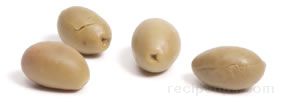
An olive that has the flesh split open either manually or by a machine with thin, sharp blades in order to allow a marinade of oils (such as olive oil) vinegars, herbs (such as herbes de Provence), and spices (basil, garlic, fennel, lemon, onion, or others), to penetrate the meat faster.
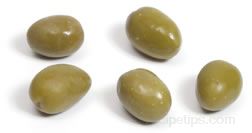
A large oval shaped olive grown in Spain and other countries such as the U.S., that is green in color with a rougher and meatier texture.
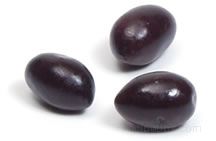
A small oval olive from Italy that has a wrinkled black flesh if they are salt cured or a smoother dark violet flesh if brine cured.
Refers to the chemical requirements of the olive oil and not the quality and taste. Olive oil must have an acidity level of 1% or less to be considered extra virgin.
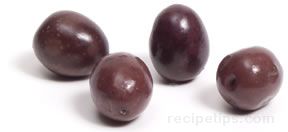
A large Greek olive that can be dark brown, light brown or red in color. It is an oblong shaped olive that is often slit, salt brine-cured, and packed with vinegar and olive oil providing a fruity flavor, similar to a Kalamata olive.
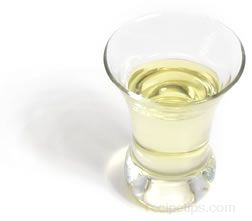
A type of seasoning or cooking oil that uses the tea seeds harvested from the tea plant (Camilla sinensis), cold-pressing them to produce the oil.
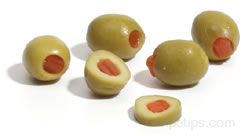
A term used in the U.S. to describe a medium size olive that is native to Spain but grown in California.
A term that is used to describe the process of pressing fruit, seeds, and nuts to obtain oil without the use of additional heat to extract the oil.
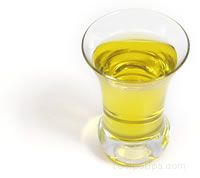
A type of oil that is less expensive and not quite as flavorful as higher grades, making it very suitable as cooking oil for fried foods.
Top 61 glossary terms found
Displaying 1-20 | Next 20 >>


Advertisement
Advertisement