
Loading
Search
We hope you found what you are searching for. If not, contact us and let us know what your want. We will do the work for you and get back to you when we're done.
moroccan dry cured olive - Glossary Search
Top 11 glossary terms found
Displaying 1-11
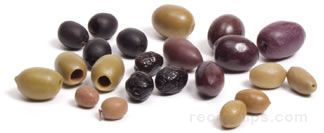
The fruit from the olive tree that is small and round with a pit or stone surrounded by the flesh. Olives vary in color from bright green to brownish red and black, depending on maturity and ripeness when the fruit was picked.
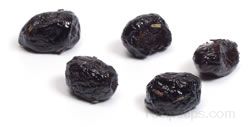
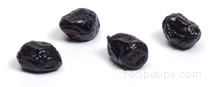
An olive that may be referred to as a dry-cured olive and is most likely a black olive. It is cured by storing it in salt for a period of one to several months, during which time the flesh of the fruit becomes wrinkled.
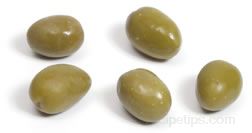
A large oval shaped olive grown in Spain and other countries such as the U.S., that is green in color with a rougher and meatier texture.
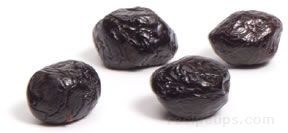
A medium size black olive with a shriveled flesh and soft meat that provides a bitter aftertaste. This olive is most often used as a cooking olive.
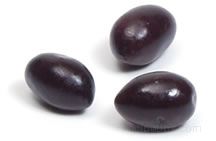
A small oval olive from Italy that has a wrinkled black flesh if they are dry-cured or a smoother dark violet flesh if brine or salt-cured.
A small oval olive from Italy that has a wrinkled black flesh if they are dry-cured or a smoother dark violet flesh if brine or salt-cured.
Generally a black olive that has been salt-cured by storing it in salt from one to several months, resulting in a wrinkled flesh.
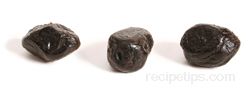
A variety of olive produced in the Middle East, most notably in Syria, that is available in both a black and green variety.
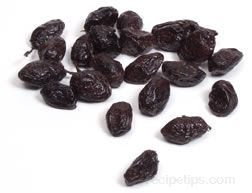
A medium size Greek olive that is black in color. It is a dry-cured olive, grown only on the island of Thasos in the Aegean Sea.
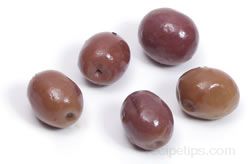
A medium sized purple or purplish-black olive grown in southern France that contains firm textured meat.
Dry-salt-cured or brine-cured olives from Nyons, France. They are small black, green tinted olives which have a bitter taste.
Top 11 glossary terms found
Displaying 1-11


Advertisement
Advertisement