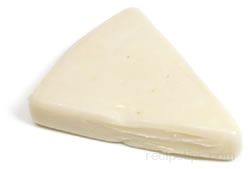
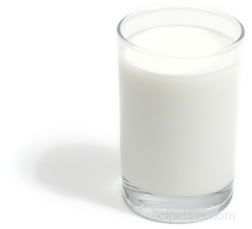
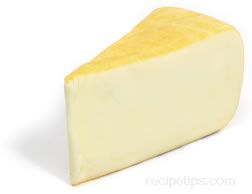
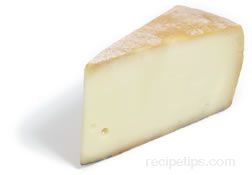
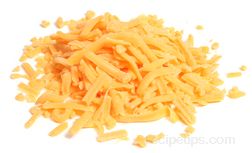
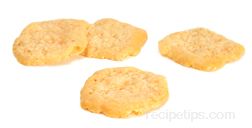
A Greek cheese made from sheep or goat's milk. It is dull white to pale yellow in color and has a semi-hard consistency with a springy texture. The cheese is similar to provolone in flavor, but is milder with a slight buttery taste. Kasseri is a versatile cheese that can be used for many purposes, such as grating, casseroles and grilling. Italian provolone can be used as a substitute.
Ratings, Reviews & Comments
There currently aren't any reviews or comments for this term. Be the first!
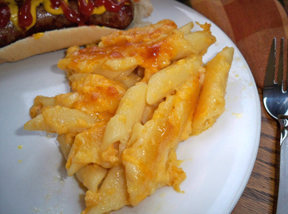
Ingredients included in this recipe are macaroni (16 ounce package), milk, shredded sharp white cheddar cheese, shredded American cheese, shredded Muenster cheese, shredded ...
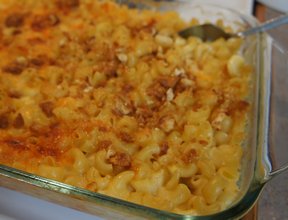
Ingredients included in this recipe are elbow macaroni (8 ounce package), butter, all-purpose flour, milk, black pepper, red pepper, an 8 ounce block Extra Sharp Cheddar Cheese, ...
Ingredients included in this recipe are cavatappi noodles, milk, heavy cream, Flour, butter, shredded cheddar cheese, Mexican Shredded Cheese, Asiago, Romano, or Parmesan cheese.
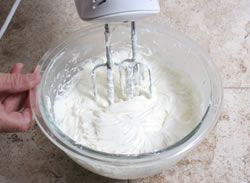
Cream Cheese Frosting can be used for frosting cakes, cupcakes, cookies, and bars. It also makes a good cake filling to use between layers. Its flavor and texture blend nicely with carrot, spice, pumpkin, and chocolate-flavored cakes and bars.
Types of Milk | Animal Feed | Geology | Seasons and Weather
Types of Milk
Milk from Animals
Most types of cheese that consumers have become accustomed to seeing on store shelves are produced from the milk of three animals: cows, sheep, and goats.
Cheese Groups | Forms of CheeseUses of Cheese | The Issue of Mold and Crystallization in Cheese
Cheese is a dairy product made from the curds of milk that have been separated from the whey.
An old Norwegian cheese that is produced as a soft, cooked-curd cheese made from cow's milk. Produced with low-fat milk, Pulpost Cheese is made from a skimmed milk that is heated and allowed to curdle naturally, thus the reason this cheese is often referred to as a sour-milk cheese.
Any of a variety of cheeses that are made in Denmark using their traditional manner of cheesemaking for blue cheeses that are formulated to be similar to the pasteurized Bleu d'Auvergne and unpasteurized Bleu des Causses varieties of this cheese.