
Loading
Search
We hope you found what you are searching for. If not, contact us and let us know what your want. We will do the work for you and get back to you when we're done.
roll - Glossary Search
Top 239 glossary terms found
Displaying 221-239 | << Prev 20
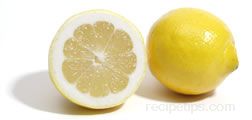
An oval shaped, bright yellow citrus fruit that is sought for its tart flavored, highly acidic juice and skin.
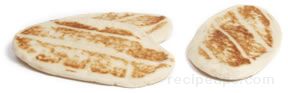
A leavened flat bread originating from northern India, which is traditionally baked by slapping the bread dough onto the side of a hot dome shaped clay oven referred to as a tandoor.
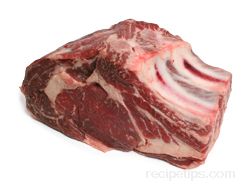
A beef roast, cut from the rib section, with the ribs left attached to the meat. The standing rib roast may be purchased as a full rib roast, which is ribs 6 through 12, but more often it is split and sold as two different roasts.
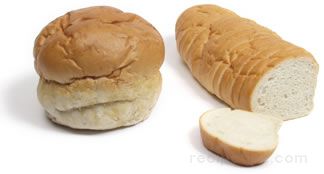
A white French bread with a tangy, sour flavor that has been created by using a starter of fermented flour and water, instead of active dry yeast as the leavening agent.
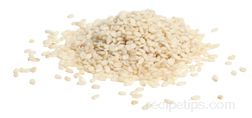
A tiny flat seed that was harvested initially for its nutty flavored oil used in cooking and later for its seed as a seasoning in foods.
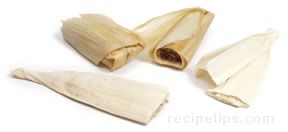
The outer pod or shell covering a seed or fruit. A husk is also called a hull. Some husks, such as those from corn, are used in the preparation of foods for cooking.
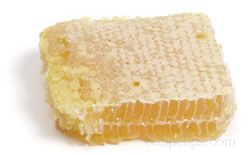
A very sweet, thick fluid produced by honeybees from flower nectar. It is a natural sweetener that is used in many food dishes to increase the intensity of the flavor desired for the food.
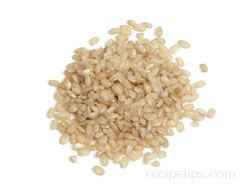
1. A cereal grass that yields grain harvested as an important food crop. Rice is so important that half of the people in the world depend upon it for nearly 50% of their daily intake of calories.
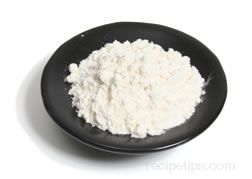
A type of flour, produced from hard wheat that has been treated to remove the starch. It contains a greater percentage of gluten (at least 70% pure) than other types of flour and a lower percentage of starch.
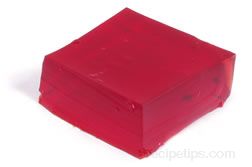
A thickening agent and food item made from pigskins or from beef bones, cartilage, and tendons. It is then processed into an unflavored, transparent protein powder and sold in a powder form, as granules, or as thin sheets which may be referred to as "leaves.

A silicon-based paper, commonly referred to as silicon paper, that is used as a lining between metal surfaces and prepared foods so that the foods do not stick to baking sheets, pie tins, muffin tins, baking dishes, and other surfaces after baking.
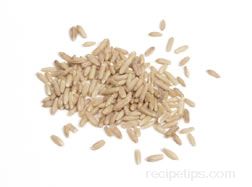
A cereal plant that thrives in temperate climates, preferring cool, moist conditions and growing in areas where other important grains, such as wheat and corn, do not grow well.
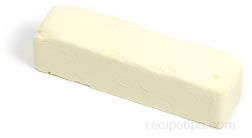
A vegetable fat that has been processed into a soft, spreadable form with a taste, texture and appearance that is similar to butter.
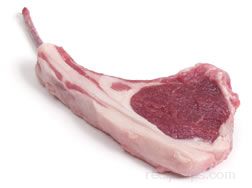
A young sheep, generally between 5 to 12 months of age. Lamb meat is lean with a distinctive flavor....
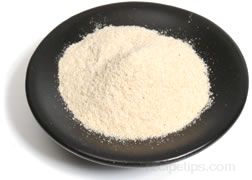
1. A product created by grinding and sifting various types of substances, such as grains, legumes, nuts, and some vegetables into a powdered form that varies from very soft to coarse in texture.
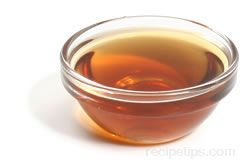
An amber red to reddish brown colored Sauce produced as a liquid byproduct from fermenting salt-cured fish.
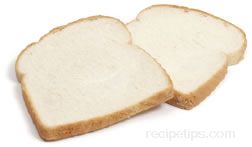
A baked food item consisting of flour or meal as the main ingredient, mixed with liquid ingredients such as milk or water and eggs to form a dough.
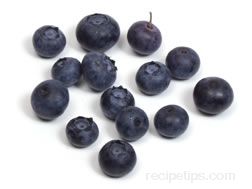
A somewhat small, round berry that is dark blue in color with a crowned opening at the opposite end of its stem.
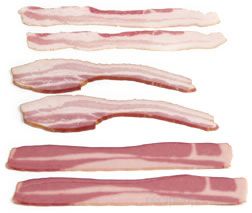
A meat product traditionally produced from a cut of pork that is taken from the side (belly) or back of the hog.
Top 239 glossary terms found
Displaying 221-239 | << Prev 20


Advertisement
Advertisement