
Loading
Search
We hope you found what you are searching for. If not, contact us and let us know what your want. We will do the work for you and get back to you when we're done.
salt pork - Glossary Search
Top 49 glossary terms found
Displaying 1-20 | Next 20 >>
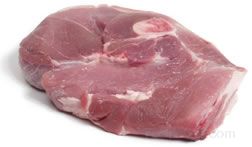
A term customarily applied to the meat of a pig that is under a year old. The pig carcass is generally split into two sides of pork; each consisting of four primal cuts known as the shoulder, loin, leg/ham, and side/belly.

A method involving the soaking of food in a liquid solution consisting of water, salt, sugar, and possibly herbs and spices in order to preserve, tenderize or flavor various food and cuts of foods.
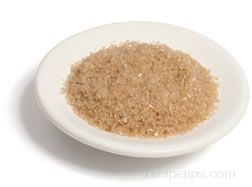
Any of several types of sea salt that have been "cured" with smoke in order to add flavor to the salt as a seasoning, similar to a smoked meat.
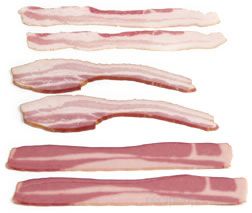
A meat product traditionally produced from a cut of pork that is taken from the side (belly) or back of the hog.
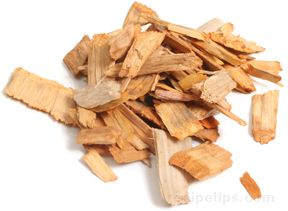
A wide range of woods are suitable for use in a grill. Hardwoods are much better than softwoods because hardwoods burn longer and provide more heat.
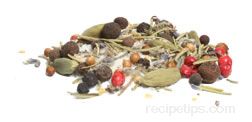
A seasoned mixture that may consist of a variety of seasonings such as coarse or flaked salt (sea salt and kosher salt are common), pepper or peppercorns, sage, allspice, thyme, garlic, cardamom, lavender, juniper, citrus zest, and other selected ingredients.
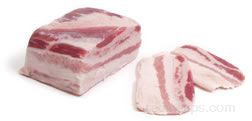
A meat product that is sometimes mistakenly referred to as "fat back". This cut of meat comes from the side and the belly of the hog and consists of a layer of fat with some lean meat streaks running through it.
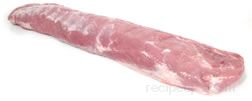
The loin is located on both sides of the backbone starting at the shoulder and continuing back to the hind leg.
Also called picnic roast, the pork arm roast is a fresh cut that comes from the shoulder primal. Containing more fat than the blade Boston roast, a well trimmed arm roast provides a very rich flavor when roasted.
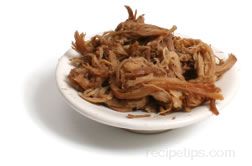
Also known as hand-pulled or simply pulled pork, this type of meat is typically made with the Boston butt, which is a cut of meat taken from the pork shoulder.
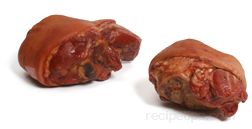
Cuts of pork, such as hams, pork chops and bacon that have been cured with smoldering, aromatic wood.
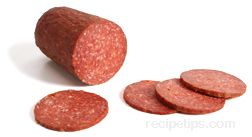
A type of cured dry sausage made from raw muscle meat of pork, beef, veal, chicken, or turkey, that is ground up and mixed with fat.
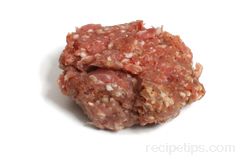
An Italian sausage originating in northern Italy that is commonly found only in Italy or various regions throughout the world with a large populace of Italians.
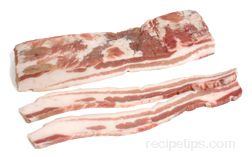
A cut of pork taken from the fresh pork side of the flank area. This cut can be sliced and sold fresh, but is more commonly smoked, cured, sliced and then sold as bacon.

A chemical substance, also referred to as potassium nitrate, that is used in the kitchen to preserve meat.
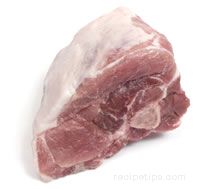
A reference that can apply to several different cuts of pork used for roasting, referred to as: the loin roast, shoulder roast, butt roast, blade loin roast, pork tenderloin, sirloin roast, crown roast or rolled ham roast.
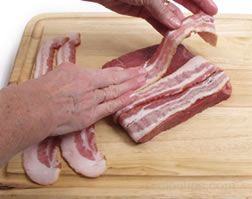
A method of placing fat, such as bacon or fatback, around lean meats or fowl that are to be roasted so they will absorb additional moisture and fat to keep them from drying out.
Pork that contains 25% fewer calories and 33% less fat than the pork that is described in the USDA handbook, Composition of Foods, 8-10.
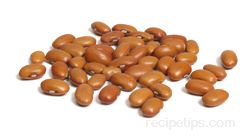
Chestnut brown in color with a small white-eye, this variety of dried bean is grown on a bush and then dried for use in a variety of foods.
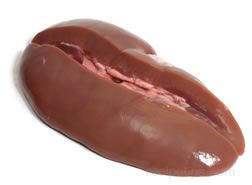
The pork kidney is a single-lobed glandular organ, which is best taken from a younger animal to provide a milder taste and more tender meat.
Top 49 glossary terms found
Displaying 1-20 | Next 20 >>


Advertisement
Advertisement