
Loading
Search
We hope you found what you are searching for. If not, contact us and let us know what your want. We will do the work for you and get back to you when we're done.
food coloring - Glossary Search
Top 38 glossary terms found
Displaying 1-20 | Next 18 >>
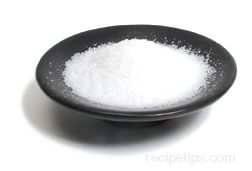
A substance that is combined with food in order to improve food for a variety of needs. Food Additives are commonly introduced into the food in order to enhance the appearance or taste, to preserve or retain the freshness, to keep the product safe for consumption, to improve the nutritional value, to improve the appearance, taste or texture, or to assist with the processing and/or preparation.
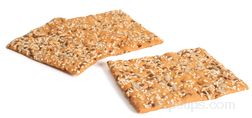
A term used to describe food that complies with the USDA (United States Department of Agriculture) standards for natural processing, handling, and labeling.
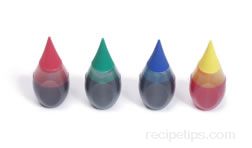
A chemical or natural additive that is used to enhance or alter the color of a food being processed or prepared.

The name given to version of a rich dark chocolate cake that was originally developed as a red colored, mild flavored, chocolate cake.
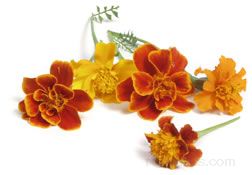
A group of flowering plants that are most often used to garnish or enhance the appearance and flavor of various foods.
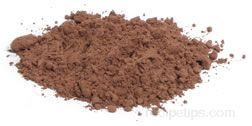
A chocolate powder produced from cocoa beans that have been roasted, husked, and processed to remove the fat, wihch is the cocoa butter contained in the bean.
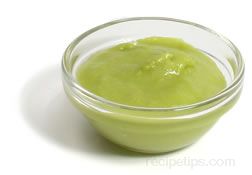
An Asian root plant, also known as "Wasabia japonica" that grows both in fields or adjacent to water in cooler climates.
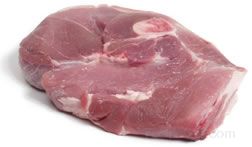
A term customarily applied to the meat of a pig that is under a year old. The pig carcass is generally split into two sides of pork; each consisting of four primal cuts known as the shoulder, loin, leg/ham, and side/belly.
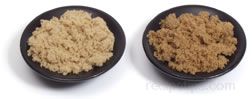
A group of sugars produced from sugar cane and categorized by the amount of refining that has occurred to process and purify the sugar.
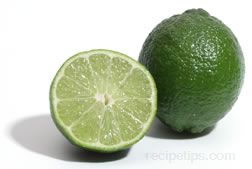
A small green citrus fruit providing juice or peels that are added to food dishes to provide a tart taste as an ingredient.
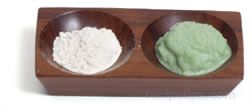
An Asian root, known as Wasabi that is ground or grated to produce a sharp, strongly flavored condiment which is one of the most important seasonings in Japanese cooking.
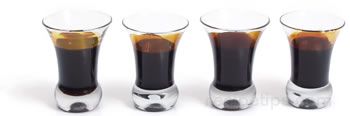
A thick, strong flavored syrup, produced as a by-product when sugar is refined through several boilings of sugar cane or sugar beets.
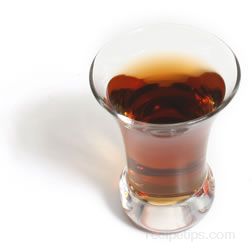
A type of vinegar that is produced from barley cereal grains that are malted. To manufacture the Malt Vinegar, the grain is soaked in water to soften its texture, allowing the barley to germinate, but not sprout, which results in the release of active enzymes.

A deep black substance extracted from the ink sack of an ocean squid, a sea dweller that is also known as Calamari.
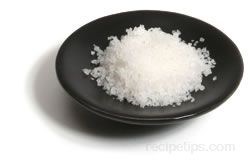
Natural salts gathered from the salt ponds of the Atlantic Ocean surrounding the coast of France. Three of the most common varieties available are known as Fleur de Sel and Sel Gris.
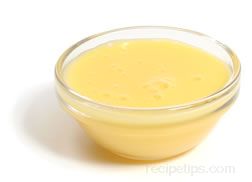
An egg product that can be used as a replacement for fresh eggs in order to reduce or eliminate the cholesterol content found in whole eggs or for recipes requiring uncooked eggs.
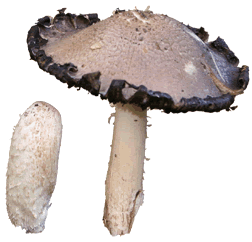
(Scientific Name: Coprinus comatus) A mushroom variety that was named for the early era process of producing ink by boiling the blackened mushrooms in water with cloves.
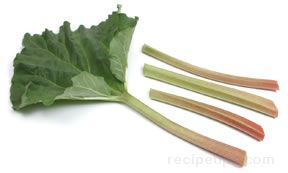
A perennial plant that has celery-like stalks that are greenish pink to dark red in color. Garden variety Rhubarb that is grown outside during the summer months matures from a green into a light pink colored stalk with streaks of green amongst lighter red shades of color.
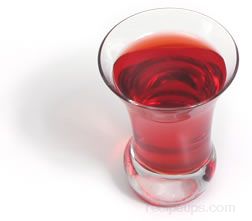
A type of sweet syrup that originated on the Caribbean island of Grenada. It is made from pomegranates and is used as a flavoring and coloring for desserts and cocktails.
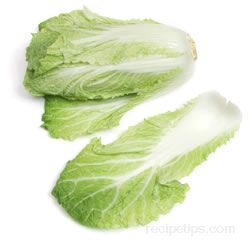
A common type of Cabbage that provides a mild flavor for a variety of salad and vegetable dishes. High in vitamin C with smaller amounts of calcium and fiber, this cabbage is predominantly grown in Asia and the United State.
Top 38 glossary terms found
Displaying 1-20 | Next 18 >>


Advertisement
Advertisement