Shopping Guide
Pasta Choices | Ingredients for Homemade | Description of Pasta | Read the Label
Look and Feel | Quantity to Buy | Shopping for Pasta Sauce
When shopping for pasta there are several details that you need to consider to be assured of purchasing the quantity, quality and type of pasta or pasta ingredients to satisfy your needs. It is important to be familiar with the different types of pasta and to be aware of what other options are available. The following information will assist you in making a purchase suited to your needs.
Pasta Choices
One of the first choices you will have to make is what type of pasta, such as dried, fresh or homemade, you want to use for the item you are making. Your choice will depend on several factors:
- Will the pasta be used as a first course, side dish or main dish?
- What type of sauce will be served with the pasta?
- How long will the pasta need to be stored before usage?
- Personal preference as to the size and shape of pasta you prefer.
The information below explains the differences in the types of pasta available. The information will help you understand the choices you have and why one may be preferred over the other under certain circumstances.
Dried Pasta
Dried pasta, which is generally factory made, is pasta that has gone through a drying process that completely dries the pasta before it is packaged. It is available in hundreds of sizes and shapes and when dried pasta is cooked, it swells to almost twice its size. It is generally made from water and semolina flour, which is ground from durum wheat. Dried pasta will keep indefinitely when stored on in a dry area out of the direct sunlight.
Dried pasta is more convenient to use and it is available in a larger assortment of sizes and shapes than fresh or homemade. It is also becoming available in a variety of flavors. When dried pasta is cooked, it holds its shape better than fresh or homemade pasta so it makes a good choice for salads and casseroles. It also works well with heavy and chunky sauces.
Fresh Pasta
Fresh pasta has not been completely dried. It is more tender and chewy than dried pasta and requires a shorter cooking time. Basic fresh pasta is made from semolina or all-purpose flour, eggs and water. The eggs brighten the color of the pasta. You should not purchase fresh pasta too far in advance of using because it has a short shelf life. It can be stored in the refrigerator for up to five days from the day it was made. The sooner it is used the better the quality will be. Fresh pasta is also available in frozen form, which would allow it to be stored for a longer period of time. It is available, both frozen and unfrozen, in most food stores.
Fresh pasta cannot be found in the large assortment of sizes and shapes that dried pasta is available. It is most often found as ribbon type pastas, such as fettuccine, lasagne, linguine, pappardelle, riginette, tagliatelle, and trenette. It is also found in a variety of stuffed pastas, such as agnolotti, ravioli and tortellini. Fresh pasta is made daily in Italian specialty stores, where you can be sure you are purchasing the freshest pasta possible. Fresh pasta is fairly absorbent so it is generally served with a lighter, more delicate sauce. It is also available in different flavors and colors.
Homemade Pasta
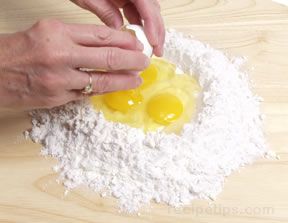
Homemade pasta is basically the same as fresh pasta except that it is made at home, not commercially.. Homemade pasta is most often made with all-purpose flour because dough made with semolina flour is more difficult to handle. The limitations in making pasta are determined by the capabilities of the pasta machine or tools used to cut the pasta shapes or strands by hand. There are a great variety of flavoring agents that can be used to create different flavors and colors. You must be careful that whatever you add as a flavoring agent will not make the pasta dough difficult to work with or difficult to put through the pasta machine. When making stuffed pasta you can also experiment with many different fillings.
Homemade pasta requires more time and effort so you must be sure you have the time to prepare it before deciding to use it instead of purchasing dried or fresh. Many people feel it is worth the extra effort for the taste of homemade pasta. The pasta should be used immediately or it can be dried slightly and then stored in the refrigerator for up to five days or frozen for longer storage. It can also be dried completely and then stored unrefrigerated in a cool dry place for a couple of months. Homemade pasta, like fresh pasta, is generally served with a lighter sauce. Because of their tenderness, homemade and fresh pasta do not work well for salads or casseroles.
Pasta Shape and Size
Before selecting the shape or size of pasta you will buy, you will have to know how it is going to be used. What type of dish, such as soup, salad, casserole, side dish or main course it will be used in and the type of sauce that will be used, affects the shape and size of the pasta that should be selected. The shaped pastas and the wider ribbons and strands of pasta will work best with heavy and chunky sauces. The more delicate pastas will work better with a light sauce. If a recipe calls for a certain pasta, you can substitute but you should try to select a similar type for the best results. To see more information on which pasta shapes and sizes to use, see Types of Pasta - Pasta Shapes, Types of Pasta - Pasta Sauces, or Pasta Products.
Pasta Flavor and Color
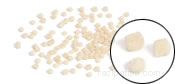
Plain pasta has a very mild nutty flavor. Pasta made with eggs has more flavor and is brighter yellow in color.
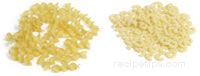 |
| With Egg |
Without Egg |
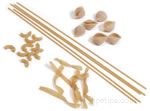
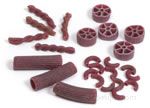
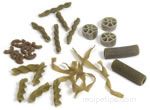
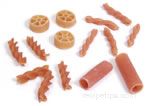
If you want to experiment with the flavor of the pasta you are using, there are many flavor choices available. Some of the flavors available come from the use of different flours or from the addition of flavoring agents, such as herbs, spices, vegetables, and fruit. The flavoring agent will generally have an affect on the color of the pasta also. The chart below shows how some of the flavoring agents affect the color of the pasta.
| Flavoring Agents |
Color Affect |
Flavoring Agents |
Color Affect |
| Corn Flour |
 |
Whole Wheat Flour |
 |
| Beet |
 |
Spinach |
 |
| Tomato |
 |
|
|
Sometimes the affect on the flavor and color is very slight and sometimes it is very predominant. When choosing flavored pasta, be sure that the flavor and color will not clash with the sauce or other ingredients that it will be mixed with.
There are dried and fresh pastas available in many flavors. When making homemade pasta you can experiment with any flavoring agents you desire or mix two or more agents together to create your own unique flavor. For more information on some of the common pasta flavors, see Types of Pasta - Pasta Flavors and Colors.
Asian Noodles
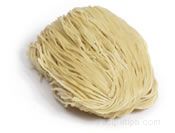
There are many varieties of Asian noodles available. Asian noodles can be made of wheat flour, rice flour, buckwheat flour, mung bean threads, arrowroot starch, bean curd skin, sweet potato starch, and tofu. Some varieties contain eggs but the majority of Asian noodles do not.
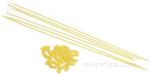
| They are found in bundles of sticks, bundles of long noodles, and nests of long coiled noodles. They are generally found in dried form but can be found fresh in some Asian markets. |
|
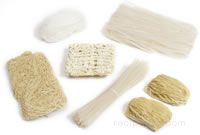 |
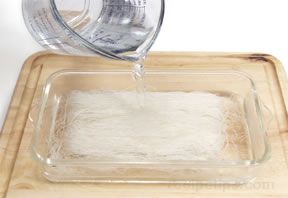
Asian noodles are often partially boiled and then fried, or added to stir-fries and soups. Some are soaked in hot water for a short period of time instead of being boiled. Some of the Asian noodles can also be deep-fried. Fried noodles are added to salads to provide a crunchy texture. Asian noodles add a variety of textures to dishes they are added to. Depending on the variety of noodle and the method used to cook them, their texture may be soft, crunchy, rubbery, or chewy. They are not often eaten as a side dish on their own.
When shopping for a particular Asian noodle, you may have difficulty finding it in your local food store because they may stock only a limited variety. You may have to try to find it in an Asian market or substitute a more available variety. Check your recipe for suggested substitutions. There are generally several varieties that can be substituted. For more information on the different varieties of Asian noodles, see Pasta Products - Asian Noodles.
Ingredients for Homemade Pasta
When making homemade pasta you will need to decide what type of flour you want to use. If making a flavored pasta that requires something other than a different variety of flour, you will need to purchase the necessary flavoring agent. The following information will help you make some of these decisions.
Flour
There are several choices of flour that can be used when making pasta. Each affects the color, flavor and texture in a different manner. The chart below shows some of the different flours that are available and gives a description of each.
| Type |
Description |
|
Unbleached White Flour
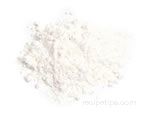 |
A standard baking flour made from red winter wheat. Unbleached flour has not gone through all the processing that bleached flour has, so it produces firmer dough. Unbleached white flour produces creamy beige colored pasta with a basic pasta flavor. It is used more often than semolina flour when making homemade pasta because it produces dough that is easier to handle. |
|
Semolina Flour
|
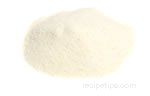
Semolina flour is ground from hard durum winter wheat. Semolina flour produces stronger dough because it contains a high level of gluten, which adds elasticity to the dough. Dough made from semolina flour is easier to form into different shapes and can be sent through an electric pasta machine but it is too hard to handle when rolling out by hand because of its stickiness. Semolina flour can be mixed with unbleached white flour to produce strong dough that is easier to handle when making handmade pasta. |
|
Whole Wheat Flour
|
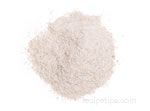
Whole wheat flour contains more vitamins and fiber than unbleached flour because it is ground from the whole grain, including the husk of the grain. Whole wheat flour is available in several different grinds. Pasta dough made with the coarser grind is generally used to produce flat noodles and the finer grinds work well for most all shapes. Whole wheat flour produces heavier pasta, which most often requires a little more water added to the dough. The pasta produced when using whole wheat flour will have a nuttier flavor than pasta produced using unbleached flour or semolina flour. |
|
Buckwheat Flour
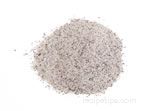 |
Buckwheat flour produces pasta with a strong nutty flavor. The flour has been ground from toasted buckwheat seeds and produces pasta dough with a fairly gritty texture. The dough is difficult to handle, similar to coarse ground whole wheat flour, so it is generally used to produce wide and thick ribbon pastas. To produce a slightly smoother texture with a lighter flavor, it can be mixed with unbleached or finely ground whole wheat flour. |
|
Oat Flour
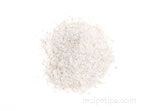 |
Oat flour provides flour that is high in fiber. It is used in the same manner that coarse ground whole wheat flour is used. It will produce a nutty flavored, heavy textured pasta that has a deeper color than pasta made with whole wheat flour. |
|
Brown Rice Flour
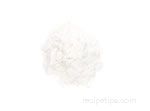
|
Brown rice flour is made from rice that has only the inedible hull removed. It is perishable, so it should be stored in the refrigerator or freezer. The flour is high in fiber and produces pasta dough similar to whole wheat pasta, except the dough made from brown rice flour is a little stickier. Pasta dough made with brown rice flour works best for making flat ribbon pasta. The pasta has a slightly sweet flavor and is tan or light brown in color. If brown rice flour is not available in a local food store, check for availability in an Asian market or health food store. |
|
Rice Flour
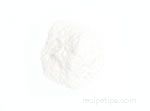
|
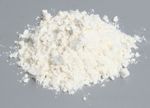
White, fine sandy textured flour produced from finely ground rice. It does not contain any gluten and produces a noodle that is translucent in appearance. The rice noodles produced from rice flour are fairly brittle and need to be soaked in hot water to soften before they are used in stir-fries or soups. They can also be deep-fried but do not require soaking prior to frying. Noodles made from rice flour are most often used in Asian dishes. If rice flour is not available in a local food store, check for availability in an Asian market. |
|
Corn Meal
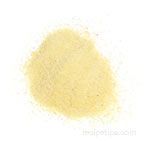 |
Corn meal is used to add nutrition and a slight nut-like flavor to the pasta. Corn meal is always mixed sparingly with flour so the pasta dough does not become too grainy. If the dough is too grainy it becomes difficult to roll out or extrude from a machine. Corn meal dough works best for making flat noodles. The type of flour used in making the dough determines the base color. The amount and type of corn meal added will determine how much affect it will have on the color. The corn meal may just add specks of yellow, white or blue to the dough, rather than affect the overall color. |
Other Ingredients
Eggs: Eggs add nutritional value to the pasta and provide for a rich creamy color. Most recipes for pasta are based on large size eggs. If you use a larger or smaller size, you may have to adjust the amount of flour you use when making the dough. Eggs are generally available in medium, large, and extra large.
 |
|
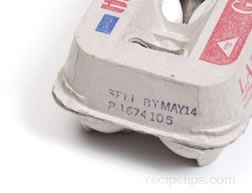
Purchase the freshest eggs possible when making pasta. Check the carton for the "sell by date" to ensure freshness. |
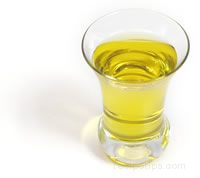
Oil: Oil is not essential in making good pasta but when added, the texture of the pasta is smoother and silkier. It will also produce dough that extrudes for the pasta machine easier. Olive oil is used to enhance the flavor. Choose a pure or plain olive oil, which is best suited for cooked foods. Canola oil is a good choice when you want a more bland flavor.
Flavoring Agents for Homemade Pasta - Based on approximately 1 pound of plain pasta (3 egg recipe)
Spinach: Select enough fresh spinach to produce approximately 3/8 cup (6 tablespoons) of pureed spinach. When selecting fresh spinach, choose leaves that are dark green and crisp, avoiding limp, damaged or yellow spotted leaves. Frozen spinach can also be used in place of fresh spinach. Thaw the frozen spinach, drain well and puree it.
Broccoli: Select enough fresh broccoli to produce ¼ cup of finely chopped, steamed broccoli. Choose broccoli with a deep green color throughout and a firm stalk. Avoid any broccoli that has yellow areas or brown spots.
Tomato: Tomato pasta requires approximately two or three tablespoons of tomato paste. Sun-dried tomatoes can also be used. It requires 2 tablespoons of pureed sun-dried tomatoes that have been soaked and well drained prior to being pureed.
Beets: Select one medium size beet or 2 small beets and peel, cook, and puree before adding to the pasta dough. Beets can generally be found during most of the year, but are most readily available during the summer and throughout the fall. To be assured that the beets selected are fresh, select beets with greens still attached. If the greens are crisp and fresh in appearance, you can be assured the beets are fresh.
Carrots: Purchase enough carrots to produce approximately ½ cup of pureed cooked carrots. The pureed carrots can be substituted with 3/8 cup of fresh carrot juice. If selecting fresh carrots, select small to medium size carrots, avoiding the larger carrots, which can be tough and not as sweet as the smaller sizes. The carrots should be firm textured and not easily bent. Avoid any that are dry and split at the ends. If greens are still attached, they should be crisp and fresh in appearance, indicating they have recently been dug.
Bell Peppers: Select one bell pepper to be stemmed, seeded, cut into small pieces and pureed. When choosing a pepper, select any color you desire, avoiding peppers that have skin that is beginning to shrivel or any that contain blemishes.
Chile Peppers: Choose four chile peppers of the type you prefer. The peppers are seeded, stems discarded and then either pureed or chopped to very fine pieces. When selecting peppers, choose those that are firm and free of blemishes.
| Note: When handling chile peppers, be sure to keep exposed hands away from the eye area and other sensitive areas of the body, such as nose and lips. The chile oil that your hands are exposed to can cause severe irritation. Wash hands immediately after exposure or wear rubber gloves to protect against exposure. |
Garlic: You will need a head of garlic of which you will need 2 to 4 cloves to be finely crushed or minced. Choose a firm, fresh head of garlic that does not contain any green sprouts. The head should be free of spots and the skin should be attached. Other forms of garlic are available, such as flakes, powder and paste, but it is best to use fresh garlic when making pasta.
Herbs: For herb pasta, you will need approximately ½ cup of finely chopped herbs. You can use one herb or a combination of two or more to flavor the pasta. Some of the herbs that work well are basil, mint, oregano, parsley, rosemary, sage, and thyme. Select herbs according to personal preference or as requested by a specific recipe. Be sure the herbs you select are fresh, avoiding herbs that are damaged or blemished.
Curry: Curry powder is a spice blend, which can be made up of anywhere from 5 to 50 spices. Commercially, it can be purchased already blended but you can also mix your own preference in spices to make your own special fresh blend. The most common spices found in a curry blend are cinnamon, coriander, cumin, turmeric, pepper, cardamom, cloves, ginger, and nutmeg. Blends will vary according to regions and local traditions. Other spices used are aniseed, bay leaf, caraway, cayenne pepper, fennel, fenugreek, mace, mustard seed, poppy seeds, and saffron. Stored curry powder will lose some of its flavor so if using stored or commercial curry powder you will need 1 to 1 ¼ teaspoons and if using fresh curry powder, you will need to add approximately ¾ teaspoon to the pasta dough.
Saffron: Saffron is a spice that is orange in color, which creates pasta with a golden tint. It produces a slightly bitter but very distinctive taste. Saffron can be purchased in threads or powder form. To flavor the pasta, you will need a good size pinch of threads ground to a powder or approximately 3/8 of a teaspoon of powdered saffron.
Lemon: For lemon flavored pasta, purchase two lemons whose zest will be used to add to the pasta dough. Select lemons with an entirely yellow peel that have a slightly glossy tint. They should be firm and feel heavy for their size. The peel should be close-grained because a coarse grained peel indicates that the lemon has a thick skin and a smaller amount of flesh. Avoid lemons with blemishes and dull dark yellow peel, indicating the lemons are not fresh.
Strawberry: Purchase a quantity of strawberries that will supply 2/3 cup of strawberries with stems trimmed and berries cut in half. Choose richly colored strawberries that have a slight shine. Overripe strawberries will have a dull appearance. Check the strawberries for bruising and mold spots. Try to select a group of strawberries all at the same ripeness level, otherwise some will become too ripe by the time the less ripe berries are fully ripe.
The flavoring agents above are just some of what can be used to add flavor when making homemade pasta. You can experiment with other flavorings to create your own unique flavor.
Description of Pasta Products
There are a large variety of pasta shapes and noodles available. When selecting the variety of pasta you are going to purchase, you must consider the size and shape of the pasta and which varieties will go best with the sauce or dish you are preparing. If you are substituting one type for another, be sure to choose one that is similar to the one you are replacing. Shown below are the basic categories in which pastas are found.
|
Shaped Pasta
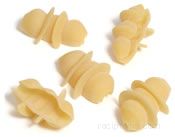
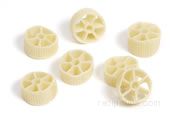
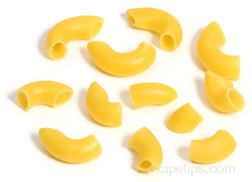
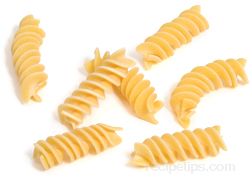
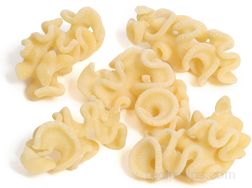
Shaped pastas are available in many different sizes and specific shapes. They include shapes that resemble shells, bow ties, spirals, snails, wheels and radiators. Shaped pastas are generally found dried. The smaller varieties work well with a simple sauce but most shaped pastas can be paired with a chunkier sauce because they are sturdy enough to hold up with the other ingredients. They are also used in pasta salads and casseroles. For information on the shaped pasta products available and a brief description of each, see Pasta Products - Shaped Pasta.
|
|
Tubular Pasta
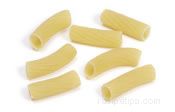
Tubular pastas are any pastas that are in the shape of a tube. They are available in many different sizes and shapes. Some tubes are long and narrow while others are short and wide. They are found with smooth or grooved exteriors. They are often served with a heavy sauce, but are also used in salads and casseroles. For information on the tubular pasta products available and a brief description of each, see Pasta Products - Tubular Pasta.
|
|
Strand Pasta Noodles
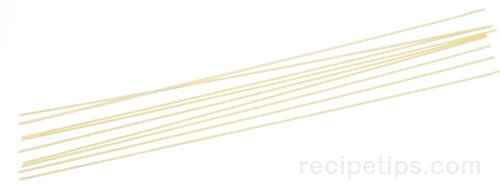
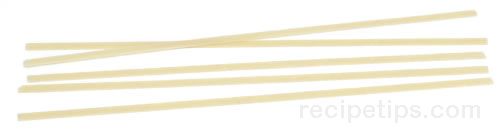
Pasta strands are long rods of pasta, which are generally round, but are available in square rods also. The basic difference from one variety to the next is the thickness of the strands. The thicker strands work well with a heavier sauce while the thin varieties are better with a more delicate sauce. For information on the strand pasta products available and a brief description of each, see Pasta Products - Strand Pasta Noodles.
|
|
Ribbon Pasta Noodles
Ribbon pastas consist of flat strands of pasta, which are available in different lengths, widths and thickness. Some are short and wide, while others are long and narrow. Ribbon pasta can have straight or wavy edges. Some varieties are available fresh and dried. The dried ribbons are generally used with a thick, heavier sauce and the fresh ribbons are served with a more delicate sauce. For information on the ribbon pasta products available and a brief description of each, see Pasta Products - Ribbon Pasta Noodles.
|
|
Soup Pasta
Soup pastas consist of pasta shapes that range in size from small to very tiny. The larger of the soup pastas are used in thicker based soups and the tiny and smaller pasta shapes are used in light based or broth based soups. Larger soup pastas are sometimes used in pasta salads. Soup pastas include many shapes, such as round balls, thin strands, tubes, rings, grain-shapes, bow ties and stars. For information on the soup pasta products available and a brief description of each, see Pasta Products - Soup Pasta.
|
|
Stuffed Pasta
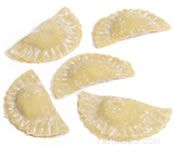
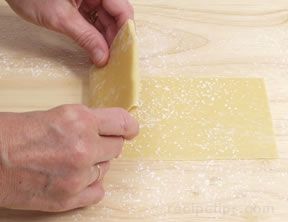
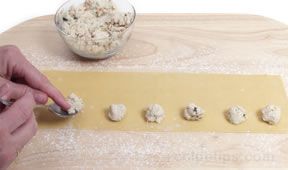
Stuffed pastas consist of fresh pasta sheets that are stuffed with a filling. The pasta sheets are folded over and sealed or another sheet is placed on top and the edges are sealed after the filling has been added. Stuffed pastas are formed in different shapes, such as squares, circles, triangles and half moons. They are stuffed with a variety of fillings, which consist of a mixture of ingredients, such as meats, cheeses, herbs, mushrooms, and vegetables. Stuffed pastas are first cooked and then generally served with a light sauce. For information on the stuffed pasta products available and a brief description of each, see Pasta Products - Stuffed Pasta.
|
|
Asian Noodles
Asian noodles consist of strands that vary in shape, width and length. They can be thin straight sticks, flat strands, round strands, and wavy strands. The noodles are made from various flours, such as wheat flour, rice flour, potato flour, soybean flour, and mung bean flour. Some Asian noodles are made with eggs but many are not. Various noodles are available fresh and dried but some are only found in Asian markets. Asian noodles are a variety of colors, such as translucent white, opaque white, cream, yellow, tan and brown. Asian noodles are eaten hot and cold, and are used in soups, salads, stir-fries, and other Asian dishes. For information on the Asian noodle products available and a brief description of each, see Pasta Products - Asian Noodles.
|
Read the Label
|
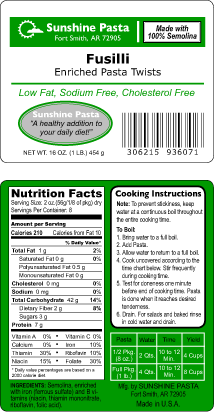
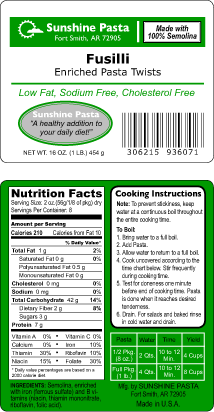
Reading the label or package will supply you with information to help you make a selection on which pasta to purchase. It also includes nutritional information. Whether the pasta you are purchasing is fresh or dried, the label will indicate the type of flour used to produce the pasta and what flavoring agents have been used, if any. When selecting dried pasta, check the package to be sure semolina flour has been used to ensure good quality pasta.
Another factor to consider is the brand of pasta you prefer. Some people feel that Italian pasta is superior to American pasta because American pasta cooks up softer. Check the label or package to determine whether the pasta is Italian or American and experiment with both to decide your personal preference.
The nutritional value of the pasta will also be shown on the label or package. It will show calories, fat and cholesterol content, and it will list the nutrients contained. The label or package may also contain other information such as cooking instructions and estimated serving sizes. |
|
 |
The package for fresh pasta should be labeled with an expiration date. To ensure freshness the pasta should be used or frozen by that date. Fresh pasta does not keep well for a long period of time so it is best to buy only the amount that you will be using by the expiration date on the package. Dried pasta can normally be kept indefinitely so most often it does not have an expiration date.
Look and Feel
The appearance of the pasta can help you determine its quality. Dried pasta should be a translucent, creamy yellow color without any tint of gray. When held up to the light it should appear translucent, without signs of any air bubbles or dark specs. The dark specs should only appear if it due to the type of flavoring agent used. Dried egg pastas should have a bright yellow color and will not appear translucent. The surface of dried pasta should have a slightly rough matte finish, which helps hold the sauce to the pasta. Look at the thickness of different brands of pasta and if there is a difference, choose the thinner brand. Pasta that is too thick will become doughy when cooked.
When dried pasta is cooked, the less sticky it is the better the quality. It should not stick together in the strainer or when it is being chewed. Good pasta will have a chewy texture that has a bounce to it when chewed. These are qualities that you cannot determine until the pasta has been cooked but if the pasta wants to stick in a clump after being cooked or has too soft a texture when chewed, you will want to try a different brand of pasta in the future.
When selecting fresh pasta look for the expiration date to be sure it will be fresh up until the time it will be used. Fresh pasta should not look dried out, and it should have a good smell. Make sure that it has been stored properly to maintain its freshness. Fresh pasta found in a food store may have a tendency to be thicker than homemade or dried. It is manufactured thicker to help keep it fresh longer. The extra thickness causes the pasta to be a little chewier, but it also helps to minimize breakage during handling.
Quantity to Buy
When determining how much pasta to purchase, it is best to buy according to weight because it is difficult to measure the varying sizes and shapes of pasta. If following a recipe, purchase the amount required by the recipe. If determining the amount to purchase according to the number of people to be served, you need to consider whether the pasta will be serve as the main course or a side dish. Keep in mind that if you purchase and cook more pasta than you need, the excess can be stored and reheated. The following information may be helpful in determining your needs.
The quantities in the chart below are approximates only.
Quantities will vary according to the size, shape and brand of pasta.
| Type |
Uncooked |
Quantity Cooked |
| Weight |
Quantity |
Small to Medium
Dry Pasta Shapes
(Elbow macaroni, shells, fusilli, penne, etc.) |
2 oz. |
1/2 Cup |
1 Cup |
Small to Medium
Dry Pasta Shapes |
4 oz. |
1 Cup |
2 Cup |
Small to Medium
Dry Pasta Shapes |
8 oz. |
2 Cups |
4 Cups |
Long Dry Pasta
(Spaghetti, vermicelli, fettuccine, etc.) |
4 oz. |
3/4 Inch Diameter Bunch |
2 Cups |
| Long Dry Pasta |
8 oz. |
1 1/2 Inch Diameter Bunch |
4 Cups |
| Fresh Egg Noodles |
8 oz. |
|
2 1/2 Cups |
| Serving Sizes |
| Main Course |
4 oz. |
1 Cup |
2 Cups |
| Side Dish or 1st Course |
2.5 oz. |
5/8 Cup |
1 1/4 Cups |
The quantities above are basic standards that can be used for estimating the quantity to buy. Another option for estimating your needs is to refer to the table on the backside of the package, which shows yields for that specific type of pasta. When using fresh pasta in place of dried pasta, the amount used will need to be adjusted because when cooked, dried pasta will produce close to 60% more than the fresh pasta. If the recipe calls for 16 ounces of dried pasta, you will need approximately 26 ounces of fresh pasta.
Shopping for Pasta Sauce
There are many varieties of pre-made sauces available in food stores and specialty shops that can be used with all varieties of pasta. Experimenting with the pre-made sauces will be the best way to determine what fits your personal preference. There are also sauces and pastes that can be used to add to your own sauce to enrich the flavor. Some of the flavorings you will find in these products are tomato, garlic, pesto, mushroom, and olive. These products add convenience to the sauce making process. Although there are many pre-made products available, many people prefer making their own sauce.
When pairing pasta and sauce, there are some general guidelines that will help you make a good match. Generally the thinner, more delicate varieties are served with a light sauce and the larger, more bulky pastas can be served with the heavier, chunky sauces. See Pasta Types - Pasta Sauces for information on what type of sauce is best matched with different varieties of pasta. Some of the basic types of sauce are oil or butter sauce, tomato sauce, cream sauce, cheese sauce, meat sauce, pesto, and broth. It requires many different ingredients to prepare the various sauces. Check the recipe before going to shop for the ingredients so you are aware of everything necessary to prepare the sauce. Shown below are some of the standard ingredients required by the basic sauce recipes and what to be aware of when purchasing these ingredients. Ingredient quantities are based on sauce for one pound of pasta.
Olive Oil
When using olive oil as the base for your sauce you will want to use good quality oil. Extra-virgin olive oil is the best quality olive oil and is generally used for dressings and sauces. Other grades of olive oil, such as virgin olive oil, pure olive oil, or regular olive oil are generally used for cooking. The extra-virgin olive oil will bring out the flavor of other ingredients in the sauce, such as garlic, herbs, meats and vegetables. It requires approximately 1/3 cup of oil to sufficiently coat one pound of pasta. You want enough oil to coat every piece of pasta without ending up with a puddle of oil at the bottom of the dish when it is finished. If you feel the pasta is too dry once the sauce is tossed with it, you can add a little fresh olive oil to help spread the sauce further.
Garlic
Choose a head of garlic to produce four or five cloves to be finely crushed or minced. Choose a firm, fresh head of garlic that does not contain any green sprouts. The head should be free of spots and the skin should be attached. Other forms of garlic are available, such as flakes, powder and paste, can be used but fresh garlic will offer the best flavor. If purchasing fresh garlic, store in a cool dry place away from sunlight but do not refrigerate fresh garlic.
Herbs
There are many herbs that can be used when making pasta sauce. Herbs can be found fresh and dried. Generally fresh herbs will give you the best flavor but they may not always be available. Fresh herbs should be crisp and have good coloring. Avoid herbs that are damaged or blemished.
Cheese
Choosing the right cheese for a cream sauce or cheese sauce is very important to making a good sauce. Some sauces may include only one cheese whereas others may require a combination of several different varieties. The quality of cheese will determine the quality of the sauce it is added to. Some cheese shops will let you taste test a sample of cheese before buying so you can be sure it is the quality you are looking for. Some of the best quality cheeses are expensive, so you may only want to purchase the amount you need.
If adding cheese to a creamy cheese sauce, you will need to add approximately 1 cup of grated cheese. If it is going to be added to another type of sauce, such as a tomato sauce or a chunky vegetable sauce, you will need approximately ½ cup of grated cheese. There are an endless variety of cheeses available, which are suitable to be used in pasta sauce. You can purchase the variety called for in your recipe or you can experiment with different varieties. Listed below are some varieties that work well in pasta sauces.
| Cheeses for Pasta Sauce |
|
Asiago
|
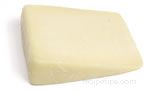
A type of Italian cheese made from cow's milk that has a mild nutty flavor with a hint of sharpness. As an aged cheese it makes a good grating cheese. Asiago fresco is a variety of Asiago that is only slightly aged and it is softer in texture. Asiago fresco has a slightly milder flavor and makes a good melting cheese. |
|
Bel Paese
|
An Italian cheese with a pale yellow color, soft texture, and mild flavor. It makes a good melting cheese that can be substituted for mozzarella. It is not as sweet and tasteful as mozzarella but adds a mild flavor when added to pasta dishes. |
| Caciotta |
An Italian semi-hard cheese that has a creamy texture and a flavor that ranges from mild to tangy as it ages. It is produced from sheep's milk or occasionally it is produced with a blend of sheep and cow's milk. It goes well with mild vegetable sauces. |
|
Fontina
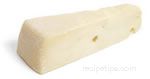
|
An Italian cheese made from unpasteurized cow's milk. Fontina has a pale straw color, a semi-firm, creamy texture, and a slightly nutty and buttery flavor. The best fontina is produced in the Val d'Aosta region of northwestern Italy. To be assured that you are purchasing true fontina, look for a light brown rind stamped with "Fontina dalla Val'Aosta." It is a very good melting cheese and works well in cheese sauces, vegetable sauces and lasagne. |
|
Gorgonzola
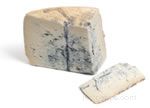
|
A creamy, pale yellow Italian cheese with streaks of blue veining, which is made from cow's milk. It is named for the town in Italy where it originated. This creamy blue cheese is sold both young and aged, and they both make an excellent melting cheese. They add great flavor to tomato sauces, creamy vegetable sauces, and make a cheese sauce that goes well with fresh egg pasta. |
|
Mascarpone
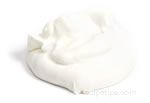
|
An Italian cheese that is basically solidified cream, which has been coagulated and whipped into a silky smooth consistency. It is used to enhance the richness of sauces. It can be used as a substitute for cream but must be added at the end of the cooking process and heated slowly or it may separate. It is a fresh cheese so it is very perishable and needs to be used one or two days within the date of purchase. |
|
Mozzarella
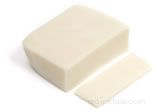
|
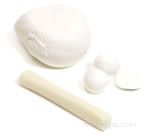
A rindless white creamy Italian cheese, which has a mild taste and is available in varying degrees of firmness. Historically, the cheese was made from water buffalo's milk, but now it is more common to be commercially produced with whole milk or a mix of goat and cow's milk. Mozzarella cheese is not aged, instead it is sold fresh, however, "fresh" may be interpreted differently depending on what market it is produced for. Mozzarella produced as a food store brand, is firmer and less moist than mozzarella produced for food stores and cheese sellers. Fresh cheese produced for food stores is available in several common forms, which vary in firmness and flavor. Despite its somewhat bland taste, mozzarella is favored as a melting cheese that forms an elastic, chewy texture. When heated it develops a flavor that is delicate and slightly sour, with a milk-like freshness. For the best quality cream or cheese sauces, use fresh mozzarella, rather than the food store brands. |
|
Parmesan
|
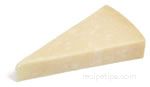
A hard Italian cheese that is thick-crusted and made from cow's milk. It is aged up to two years, resulting in a sharp, salty, full flavored cheese. It can be purchased already grated or in block form to allow fresh grated cheese when needed. Buy in block form and grate as needed to ensure best flavor since grated cheese will lose some flavor after it sits for a period of time. Parmesan cheese melts easily but does not become rubbery. Parmigiano-Reggiano is considered to be the best of the Parmesan cheeses. |
|
Parmigiano-Reggiano
|
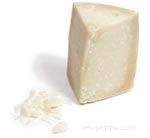
Considered to be the best of the Parmesan cheeses. Generally used in a grated form and provides the most flavor when freshly grated. It is a mellow tannish yellow color and has a tough, yellow to gold colored rind, which will have its name stamped on it if it is a true Parmigiano-Reggiano. The cheese has a rich, strong, fruity flavor with a texture that is grainy and brittle when aged. Parmigiano-Reggiano makes a good cheese for delicate pasta dishes or in light cream sauces because it does not become runny or rubbery when melted. |
|
Pecorino
|
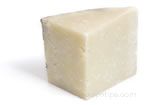
An Italian cheese made from sheep's milk, which is available fresh or aged. The fresh Pecorino cheese is a soft, white cheese with a mild flavor called Ricotto Pecorino. The most popular of the aged Pecorino is the Pecorino Romano, which has a hard yellow rind with a yellowish white interior. Two other popular aged Pecorino cheeses are Pecorino Sardo and Pecorino Toscano. Aged Pecorino has a salty, tangier flavor than fresh. Pecorino cheese is a good grating cheese and melts nicely in sauces and on pasta. |
|
Provolone
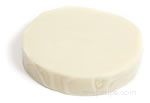
Fresh
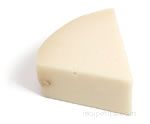
Aged
|
An Italian cheese made from whole cow's milk, having a semi-firm texture and a slightly smoky sweet flavor. The cheese is generally aged for two to three months but in some cases is aged up to six months. It is pale in color but deepens in color and flavor, and increases in firmness the longer it is aged. Young (aged two to three months) Provolone is a good melting cheese and the longer aged cheese is easier to grate. |
|
Ricotta
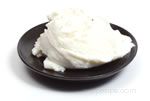
|
A fresh, unripened Italian cheese, made from whole or skim milk, which is white in color with a soft texture and mildly sweet flavor. Avoid food store brands, which lack in sweetness. Ricotta cheese works well layered in lasagne and used as filling in ravioli and cannelloni. It is best to purchase only the amount you need and use within a couple of days because it does not keep well. |
|
Ricotta Salata
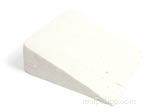
|
An Italian cheese that has been salted and dried. It has a sharp tangy flavor and a crumbly texture. When heated it does not melt well but softens into salty, tangy pieces. It adds a unique flavor and texture when tossed with hot pasta. When refrigerated properly, it will keep for approximately a month. |
|
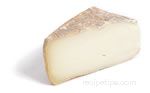
Taleggio
|
A rich Italian cheese, made from cow's milk. Its flavor varies from slightly sharp to strong or pungent, depending on the age. The young cheese is pale yellow and semi-soft, while the mature cheese is white with a pinkish-gray crust and a soft, smooth texture. Taleggio cheese melts easily making it a good choice for a cream sauce. It should be used fairly quickly after purchasing because it does not keep for a long period of time. |
Tomatoes
Fresh or canned tomatoes can be used to make a tomato sauce for pasta. Whether fresh or canned, plum tomatoes are the best for making sauce. They are meatier and have fewer seeds. Imported Italian plum tomatoes are considered to be one of the best quality plum tomatoes available.
Good quality canned tomatoes make a great tomato sauce but sun-ripened tomatoes hand picked fresh will make a sauce that is even better. Two pounds of fresh plum tomatoes are generally sufficient to make enough sauce for one pound of pasta. 4 cups of fresh tomatoes is equivalent to approximately one 28 ounce can of plum tomatoes.
If your recipe calls for fresh tomatoes but they are not available, canned tomatoes can be substituted. If the recipe calls for sauce or paste, canned products for these are also available. Some of the canned tomato products available are listed below.
| Canned Tomato Products |
|
Chopped / Diced
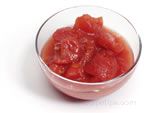 
Chopped
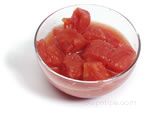
Diced
|
Chopped and diced tomatoes are canned in juice and can be used in place of fresh tomatoes when making sauce. The only difference between chopped and diced tomatoes is that diced tomatoes are cut in slightly smaller pieces. One large can (28 to 35 ounce) of tomatoes is generally enough to lightly coat 1 pound of pasta, providing the tomatoes and juice are both used. If the juice is drained off, you will have to increase the amount of canned tomatoes, unless you are adding other ingredients and thinning the sauce with another liquid. Look for canned plum tomatoes for the best flavor. |
|
Pureed
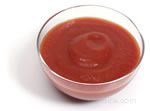
|
Fresh tomatoes that have been peeled, seeded, pureed and lightly cooked when canned. The pureed tomatoes are generally used in a sauce where they will be cooked further. |
|
Sauce
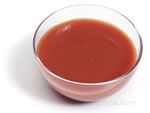
|
Pureed tomatoes that have been cooked to thicken their consistency by simmering for a period of time before it is canned. It is ready to use from the can and requires cooking only long enough to heat to desired temperature. It is available plain and flavored. |
|
Paste
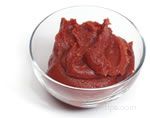
|
Paste is basically the same as the tomato sauce, only it has been cooked long enough to thicken it into a paste. It is quite strong and adds a lot of flavor to the sauce. The paste is generally diluted with water or other liquids when making pasta sauce. |
|
Stewed
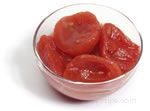
|
Whole or sliced tomatoes flavored by cooking them with ingredients such as sugar, onions, and peppers. Stewed tomatoes are generally used without being drained. |
Vegetables
When adding vegetables to a pasta dish or sauce, take into consideration what type of vegetables you are using. Vegetables vary in bulkiness and in the amount that they shrink down in size when cooked. Greens, such as Spinach will shrink down a lot where a vegetable like zucchini will stay bulkier. If you are using two or more different vegetables in one sauce or dish, the more different varieties you use will decrease the amount of each that you need. See the recipe for information on how much of each vegetable should be used. If you are substituting a different variety of vegetable for something that was called for in the recipe, be sure to substitute something with approximately the same bulkiness or adjust the amount used accordingly.
Meats
Meats, such as beef, pork, lamb, veal and poultry can be used in a variety of pasta sauces or dishes. Ground beef and Italian sausage are two meats often used. Meat can be used in ground form, made into meatballs, cut in cubes, or sliced in strips. The quantity needed will depend on the type of sauce and the quantity of other ingredients that will be added. Generally if the main ingredient is the meat, 1½ pounds of meat for 1 pound of pasta is sufficient. If other ingredients are added, the amount of meat required would be reduced according to the quantity of other ingredients. If the sauce contains a small quantity of vegetables, 1 pound of meat would generally be sufficient. If bulky vegetables are added, the meat should be cut back to approximately ½ pound. If using a specific recipe, use the quantity called for in the recipe. 1 pound of ground meat equals 2 cups.
Fish
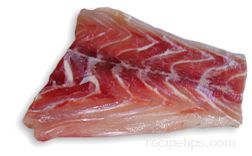
When using fish in a sauce, approximately 1½ pounds of fish fillets should be sufficient in a sauce that does not contain other ingredients. As with meat, the quantity of fish should be reduced according to the amount and bulkiness of other ingredients added to the sauce. If the quantity of fish is not reduced accordingly, there will not be an adequate amount of sauce to coat the pasta and all the ingredients sufficiently. |