
Loading
Search
We hope you found what you are searching for. If not, contact us and let us know what your want. We will do the work for you and get back to you when we're done.
grain products - Glossary Search
Top 19 glossary terms found
Displaying 1-19
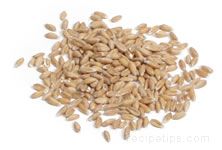
An ancient cereal grain that originated in southern Europe, which is related to modern wheat. Many people think of spelt as a type of wheat and although they are of the same family, spelt is of a different species.
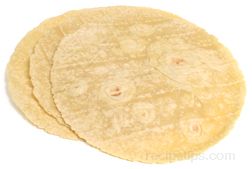
A type of grain cultivated in Ethiopia where it is a staple food crop. Teff is difficult to find in great quantities anywhere else in the world.
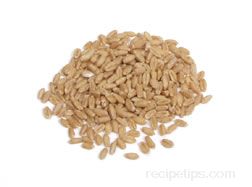
A plant that is a member of the grass family bearing a fruiting head that yields a grain that is most often ground into flour or meal.
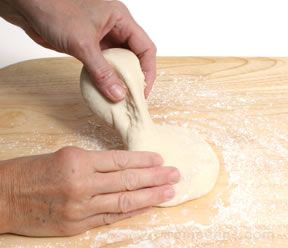
The inability of the intestinal tract to digest gluten properly, which, in sufferers with the condition, results in a number of symptoms and conditions whenever gluten is ingested, such as bloating, cramps, and diarrhea.

The largest portion of a grain kernel containing most of the protein and carbohydrates, but only small quantities of vitamins and minerals.
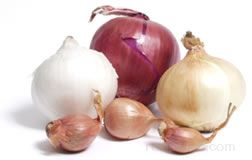
A vegetable, which belongs to the lily family of plants, that is grown for its edible bulb, which most often serves to flavor a variety of foods.
A type of Food Wrap that is made from flour milled from teff grain, a common grain found mainly in Ethiopia.
A high protein man-made grain produced by crossbreeding wheat and rye for the intended purpose of duplicating the protein and bread-making merits of wheat and the durability and high lysine content of rye.
A term that is most often used to describe whole grains that have been processed to remove the outer layer on each kernel of grain resulting in a kernel that cannot be classified as whole,/i> once it has been Refined.
A powder substance, not to be confused with malted milk powder, that is made from dried whole grains ground into a fine textured flour for use in making baked goods more nutritious and better tasting.
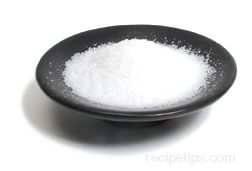
A substance that is combined with food in order to improve food for a variety of needs. Food Additives are commonly introduced into the food in order to enhance the appearance or taste, to preserve or retain the freshness, to keep the product safe for consumption, to improve the nutritional value, to improve the appearance, taste or texture, or to assist with the processing and/or preparation.
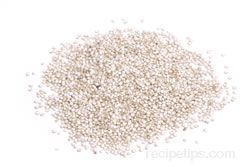
A plant bearing seeds, which are not a true grain, but are used as one. Quinoa (pronounced “KEEN-wah”) is of the same botanical family as beets and produces clusters that contain thousands of tiny bead-shaped seeds that range in color from light beige to yellow to almost black.
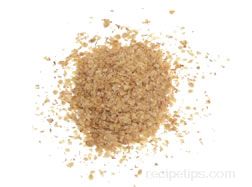
The embryo of a seed or kernel of grain, located at the bottom center of the kernel. The germ is the oily part of a kernel or seed from which a new plant sprouts.
A grain culture used as a catalyst for fermentation. Koji is used in fermenting grain products that become ingredients in various foods, such as miso paste.
One of three main categories of basic nutrients (the others are protein and fat) that are used by the body for energy.
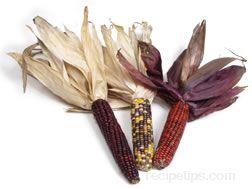
A tall cereal plant (growing to a height of up to 10 feet) that is immediately recognizable because of its long, drooping leaves extending from an inner stalk and strong jointed stems supporting large ears ranging in length from a half foot to one foot, which contain the corn kernels.
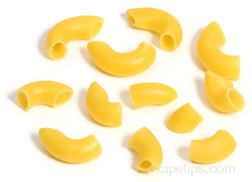
A type of pasta product made with quinoa flour, which is a type of flour ground from the seeds of the quinoa plant: a plant cultivated mainly in South America as a major grain-like crop.
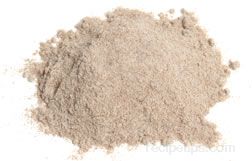
A type of flour milled from teff grain. Teff flour is high in calcium, iron, magnesium, zinc, and thiamin and it is a good source of fiber.
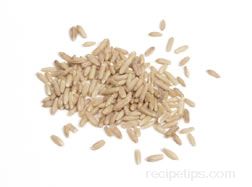
A cereal plant that thrives in temperate climates, preferring cool, moist conditions and growing in areas where other important grains, such as wheat and corn, do not grow well.
Top 19 glossary terms found
Displaying 1-19


Advertisement
Advertisement