
Loading
Search
We hope you found what you are searching for. If not, contact us and let us know what your want. We will do the work for you and get back to you when we're done.
cold pressing - Glossary Search
Top 8 glossary terms found
Displaying 1-8

A term that is used to describe the process of pressing fruit, seeds, and nuts to obtain oil without the use of additional heat to extract the oil.
A process that is used to extract oil from fruits, nuts, and seeds. Expeller pressing is similar to cold pressing except that extreme pressure is added during the pressing.

Oils for cooking are used to fry and sauté foods, for making salad dressings, and for use in baking....
A type of low grade olive oil that must be refined before it can be sold for human consumption. The oil is obtained from the residue that remains after the "first cold pressing." Up to 90% of the oil is obtained from the olives during the first cold pressing, but the remaining 10% is contained within the residue.
The process, when making wine, of pressing the juice out of grape skins.

A type of seasoning or cooking oil that uses the tea seeds harvested from the tea plant (Camilla sinensis), cold-pressing them to produce the oil.
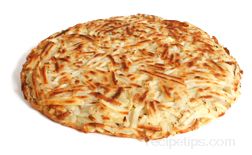
A potato dish originating from Switzerland that is traditionally made with boiled potatoes that are grated and fried.

The oil produced from manual or machine pressing of the fruit (olives) from the olive tree. The flavor and color of the olive oil produced from the same variety of olive may vary significantly from one region to the next as well as from grower to grower, since soils and environment will have an effect on creating different flavors within olives grown in the same area.
Top 8 glossary terms found
Displaying 1-8


Advertisement
Advertisement