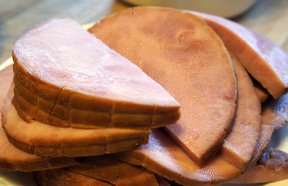
Ham is usually served on the holidays, so be sure to read our tips to learn how to cook and bake the perfect ham for your guests. There are many ham glaze recipes that can be used to enhance the flavor of ham and there are many different methods of cooking ham that can be used. When you end up with excess ham after a meal there are many leftover ham recipes that you can make to use up the leftovers.
Sweet Potatoes
A tuber vegetable originating from Central America that is typically referred to as either a Sweet Potato or yam in the U.S. It is common for food stores to display and people to refer to the Sweet Potato as a yam, when it is actually a Sweet Potato.
If you've never cooked corn on the cob on the grill, you don't know what you're missing. Get started by watching this video demonstration, which shows you one of the numerous methods for grilling sweet corn.
Grilling | Grilling Method & TimeGrilling Ham Slices | Grilling Whole Ham | Tips
Grilling is a dry heat cooking method that quickly cooks the surface and then slowly moves to the middle.
Husks On | Husks Off
Grilling is a great way to cook sweet corn to give it a little different flavor from other methods of cooking. There are several methods that can be used when grilling sweet corn and you can experiment with different flavored butters or seasonings to also give the corn a unique flavor.
A ham that is wet cured in a sweet seasoned brine. The sweetener and seasoning used in the curing process will vary according to the recipe of the producer or the person curing the ham.
A type of bread that originated in Hawaii in the late 1950s, developed specifically by the Taira family of Hilo, who named the bread, “King’s Hawaiian® Sweet Bread." The recipe was inspired by a type of Portuguese sweet bread that was often supplied to sailors who preferred it during their lengthy ocean voyages.
A type of ham that is Spanish in origin and produced exclusively from rare Iberian pigs, which are descendents of the wild boar and are the last European free-range pig breed.
A processed cut taken from the bottom half of the leg. The shank end contains less fat, is not as meaty as the butt end, but it contains only one leg bone, making it easier to carve.