


|
Described below are some of the products (including flour) created directly from rice. Other than a few exceptions, products that are created after the grain has been ground into flour are not described, because they are so numerous. | |
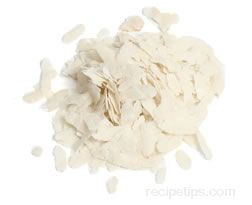
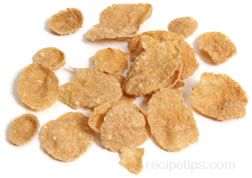
Rice FlakesRice flakes are produced from rice that has been parboiled and then rolled, flattened, and dried. The flakes come in different thicknesses depending on the amount of pressure used in the flattening process. The flakes are able to absorb a large volume of liquid when used in various dishes, so they absorb flavors quite well. They are very popular in Asian cooking, but in Western countries, they are more often used commercially in the production of cereals and rice snacks. Rice flakes are found in many Asian markets and specialty shops worldwide. | |
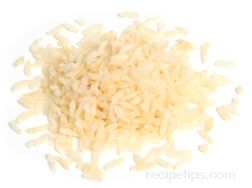
Parboiled RiceParboiled rice is a type of rice product that has been processed by soaking and steaming the rice grains under pressure and then drying the grains to harden and thicken the starch in the grain. This process creates stiffer rice kernels that are extra fluffy, do not stick together, and retain more of the original nutrients than regular varieties of white rice. | |
Instant RiceInstant rice refers to rice grains that have been processed, precooked, and dried to make the rice shelf stable. Since instant rice is precooked, it requires only a few minutes of cooking time to rehydrate the grains. Nutrients are added to the rice kernels to replace the nutrients that are lost during processing. | |
Enriched RiceEnriched rice refers to white rice that has been coated with the nutrients that were lost when the rice was initially processed. Iron, niacin, thiamin, and folic acid are among the nutrients that are coated onto the rice after processing. Even with this replacement of vitamins and protein, enriched rice is not as nutritious as whole-grain brown rice. When preparing enriched rice, the added nutrients can be retained if the rice is not rinsed either before cooking or afterward. It is also beneficial if the rice is not cooked in large quantities of water. The best results occur when the rice is cooked in the minimum amount of water that will be readily absorbed by the rice. | |
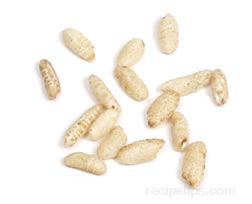
Puffed RicePuffed rice is produced from rice grains that are heated to a high temperature and placed under extreme pressure. When the pressure is reduced quickly, the grains expand to a volume that is several times larger than their original size. Puffed rice is most often used for ready-to-eat cereals and commercially prepared rice cakes. | |
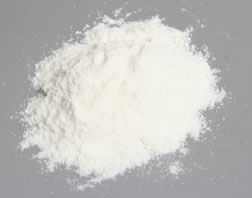
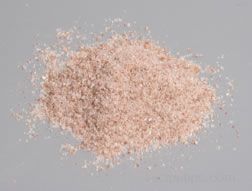
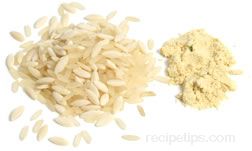
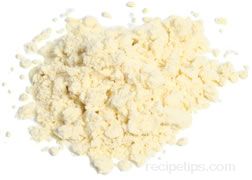
Rice FlourRice flour is produced from uncooked rice that has been ground into a powder in textures ranging from course to very fine. It can be used successfully in some baked goods, such as cakes, cookies, and dumplings, but because it contains no gluten, it is not suitable for baking yeast breads unless it is combined with wheat flour.
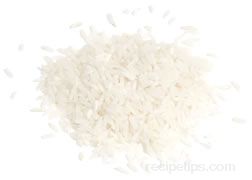
White Rice Flour
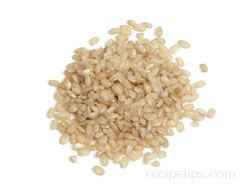
Brown Rice Flour | |
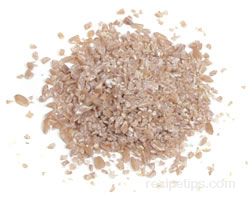
Rice BranThe outer layers of the rice grain are known as the bran. The bran layers are removed during processing. It is used as an ingredient in the production of cereals, food mixes, and vitamin concentrates. Loaded with fiber, rice bran is beneficial to digestion. Rice bran is available in many health food stores. | |
Rice CerealRice is used to produce a variety of ready-to-eat breakfast cereals. When processed into cereal, the rice may be in the form of puffed rice, rice flakes, rice crisp, or rice biscuits. Cooked cereals are made with whole grain or granulated rice kernels. Cereals made from rice are also used as an ingredient in other dishes, such as desserts and puddings. | |
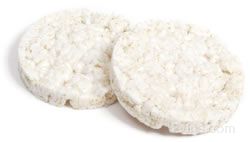
Rice CakesCommercially prepared rice cakes are made with puffed rice formed into a cake. The cakes are round, flat, and crispy, but they are not particularly flavorful. In order to provide a more tasty and appealing product, commercially prepared rice cakes and are often flavored with ingredients such as cheese, caramel, or cinnamon. Rice cakes are served as a snack or low-fat appetizer. (Note: Rice cakes with added flavoring ingredients are considered low fat only when the ingredients added to them are also low in fat.) | |
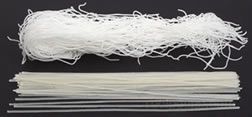
Rice NoodlesRice noodles are made with a combination of rice flour and water and have a mild subtle flavor and a chewy texture. They are available in various sizes and shapes, ranging from the very fine, brittle vermicelli to noodles that are one-quarter inch in width, similar to fettuccine. Rice noodles can be deep-fat fried into crispy strands and used to complement salads, or they can be presoaked and then boiled to become a main ingredient for a variety of noodle dishes. They can also be used to add body to various soups and stir-fried dishes. Rice noodles can be readily found in Asian markets and well-stocked food stores. They are also known by the name "Asian noodles." | |
Rice PaperRice paper is a very thin edible paper-like product that is made from a combination of rice flour and water. Rice paper is semitransparent and very brittle, so before it can be used, it must be soaked in water to soften it. Rice paper is often used as a food wrapper, much like a tortilla, for enclosing a variety of food ingredients. The rice papers are generally available in rounds that vary in size from approximately six up to fourteen inches. Rice paper can be readily found in Asian markets and in the Asian sections of larger well-stocked food stores. | |
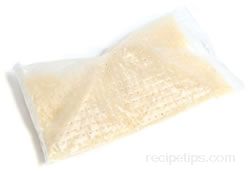
Boil-in-Bag RiceBoil-in-bag rice is a rice product marketed as a convenience food in which a premeasured amount of parboiled rice is sealed in a plastic bag. The home cook simply plunges the bag into a pan of boiling water where it is cooked for the length of time called for on the package instructions. There are a series of small holes in the bag that allow water to enter so that the rice can absorb the necessary quantity of water. When the cooking process is complete, the bag is cut open and the rice can be served. | |
Prepared Rice MixesCommercially prepared rice mixes are a popular type of rice product that offer a convenient method for producing a flavorful rice dish using only a few easy steps. The product usually includes a packet of powdered ingredients that is used to add flavor to the rice. Although prepared rice mixes are tasty and provide convenience to the busy cook, some brands may be produced with excess salt, so it is important to read the nutritional label to understand the composition of the commercially prepared product. | |
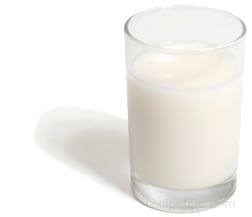
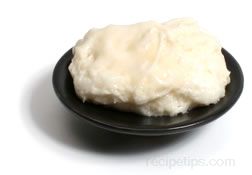
Rice milk is a liquid that is made from the cooking and blending of white or brown rice and water. It can also be made using rice flour. Since it is a nondairy product, it can be used as an alternative to milk for people who are lactose intolerant. It can also be used simply as a beverage, a flavoring agent, or as an ingredient in various recipes. Rice milk is also known as amazake, a thick fermented liquid served commonly in Japan. Look for rice milk in Asian markets and well-stocked food stores. | |
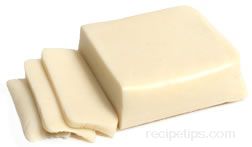
Rice CheeseRice cheese is simply a cheese substitute made primarily from rice combined with a small amount of milk protein (casein), food oils, and various seasonings. It is marketed as a lactose-free alternative to common milk-based cheeses. It is produced in flavors similar to traditional cheese, such as cheddar and mozzarella, but it also has a distinctive rice flavor. It has many of the same characteristics of traditional cheese, such as a smooth texture, a similar appearance, and properties that allow it to be melted, sliced, and shredded in a similar manner to dairy cheeses.
Cheddar Rice Cheese and Mozzarella Rice Cheese | |
Rice CreamRice cream is a product similar to marshmallow cream except that it is produced from rice. Specifically, it is made from rice syrups, natural gums, and flavoring. When preparing sweets and baked goods, rice cream can be used the same as marshmallow cream, and since it is made from rice, it is gluten free. | |
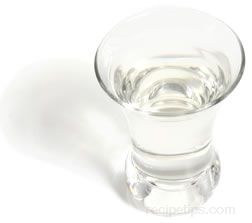
Rice wine is produced from fermented glutinous rice. It is a sweet wine that is low in alcohol content. Rice wine is an important ingredient in Asian cooking. It is used as an ingredient in various glazes, marinades, and sauces. Rice wine may also be referred to as "sake." | |
SakeSake is a type of Japanese wine that is made from fermented rice. It does not require aging like the wine produced from grapes. It has a slightly sweet taste and is a popular alcoholic beverage in Japan. Sake is often served warm when used as a beverage, and it is also used frequently as an ingredient in cooking and for marinating foods. | |
Rice VinegarRice vinegar is a product that is made from rice wine. It is available in several varieties. White rice vinegar is available in sweetened or unsweetened varieties. Both have a very light flavor, which makes them a good choice for vinaigrettes. White rice vinegar is also popular in Japanese and Chinese cooking. Black rice vinegar has a more pronounced flavor than white rice vinegar, but it is still relatively mild. It is popular as a condiment or for use in soups. Red rice vinegar has a much spicier flavor than other rice vinegars, and it is often used as a flavoring agent or a dipping sauce. | |
Rice SyrupRice syrup is a grain syrup and sweetener made from whole-grain rice that has been cultured and fermented with enzymes to break down the natural starches in the rice into complex carbohydrates, maltose, and glucose. As the rice grain is boiled and the liquid is removed, the remaining meal is processed into a syrup. Containing only half the sweetness of common sugar, rice syrup provides a mildly sweet butterscotch flavor for cookies, cakes, granola, pies, and puddings. When used in baking, rice syrup will generally create crisp baked goods with a harder texture. Some varieties of rice syrup are gluten free, using only rice, water, and enzymes for the production of the syrup. Rice syrup should be kept in a cool, dry area where it will keep for up to a year. It can be used as a substitute for white or brown sugar. Varieties of rice syrup include brown rice syrup, rice bran syrup, and rice malt. Rice syrup may also be referred to as "rice honey."
Rice Syrup and Rice Malt Syrup | |
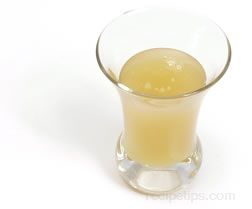
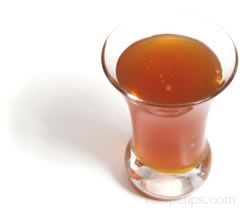
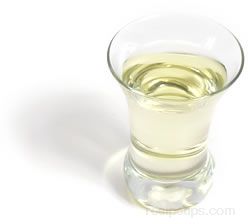
Rice bran oil is a type of edible oil produced from the bran of rice grains, which is removed from the grain during processing. When it is used as a cooking oil, rice bran oil is considered to be a very healthy alternative to several other popular cooking oils because of the high levels of vitamins, minerals, amino acids, essential fatty acids, and antioxidants found in the oil. Rice bran oil has a somewhat nutty flavor that enhances the taste of a variety of foods, such as snack foods, fried foods, and crackers. |

Loading
Grain Products - Rice

Provided By
RecipeTips
RecipeTips



 Rice Milk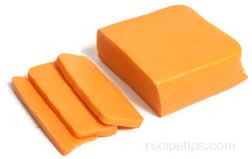
 Rice Wine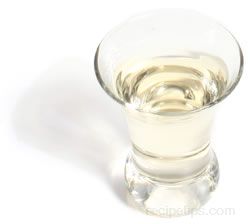
 Rice Bran Oil
Loading
There currently aren't any reviews or comments for this article. Be the first!





Popular Recipe Pages
Popular Recipes
Advertisement

Advertisement