|
|
| back to Glossary Index |
 |
|
|
 |
|
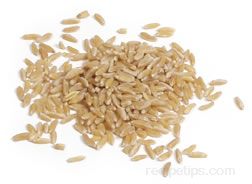
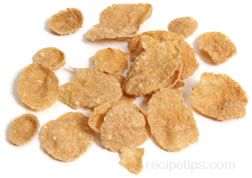
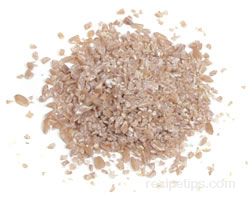
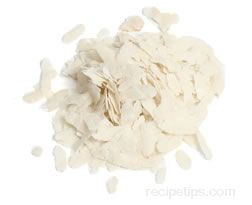
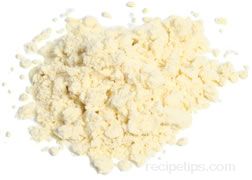
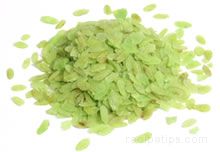
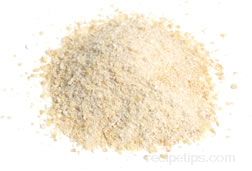
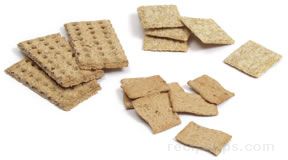
The brand name for a type of grain that is closely related to durum wheat and is often considered a specialty grain. Kamut kernels are 2 to 3 times larger than a typical wheat kernel. The grain has a nutty, buttery flavor and is sold as a whole grain, as flour, and in the form of flakes. Kamut wheat is organically grown and is highly nutritious providing high levels of protein, niacin, thiamine, zinc, magnesium, iron, and riboflavin. The delicious chewy grain is excellent in soups, salads, pilafs, or savory side dishes. Kamut wheat is also found in commercially prepared cereals, crackers, and breads. The flour should be stored in the refrigerator or freezer, but whole grain Kamut wheat keeps well in a sealed container in a cool, dry location. It usually lasts longer than whole-grain wheat because it has a lower moisture content than wheat. Kamut wheat is usually found in health food and specialty shops.
|
 |
|
|
 |
|
 |
Kamut® Grain term - Related Content |
 |
 |
 |
 |
 |
|
 |
|
|
 |
|
 |
| Grain that is pressed using a process that steams and rolls the grain to produce flattened, or flaked, kernels. The advantage that flaked grain has over unprocessed grain is that ... |
|
 |
|
|
 |
|
 |
| The brand name for a type of flour milled from grain that is closely related to durum wheat and is often considered a specialty grain. Kamut is often ground, packaged, and sold as ... |
|
 |
|
|
 |
|
 |
| The kernel or seed of food plants that are used as a staple food source throughout the world. Plants such as wheat, barley, corn, oats, rye, and rice, are among the most popular ... |
|
 |
|
|
 |
|
 |
| A cracker that has been made from grain that is hulled (removing the outer husk), cleaned, and roasted or baked in some manner. The cracker is typically low in fat, thin in depth, ... |
|
 |
|
|
 |
|
 |
| Rice that has a length that is 2 to 3 times its width. When cooked, the rice tends to remain moist and tender, with a moderate stickiness, clinging together more than long grain. ... |
|
 |
|
|
 |
 |
 |
 |
 |
|
 |
|
|
 |
|
 |
|
Described below are some of the products (including flour) created directly from wheat. Other than a few exceptions, products that are created after the grain has been ... |
|
 |
|
|
 |
|
 |
|
Described below are some of the products (including flour) created directly from rice. Other than a few exceptions, products that are created after the grain has been ... |
|
 |
|
|
 |
|
 |
|
Described below are some of the products (including flour) created directly from corn. Other than a few exceptions, products that are created after the grain has been ... |
|
 |
|
|
 |
|
 |
| General Nutritional Facts of Grains | Specific Nutritional Facts of Individual Grains
General Nutritional Facts of Grains
Grains are composed primarily of ... |
|
 |
|
|
 |
|
 |
| General Guidelines | Recommended Storage Methods for Whole Grains
General Guidelines
Like many other foods, grains are perishable; however, the shelf life of grains is ... |
|
 |
|
|
 |
 |
 |
 |
 |
|
 |
 |
 |
 |
|
|
 |
|
|
|
|
|
|
|
|
 |
|
| Reproduction in whole or in part without written permission is strictly prohibited. |
| © Copyright 2009 Tecstra Systems, All Rights Reserved, RecipeTips.Com |
|
|
|
 |
|