
Loading
Search
We hope you found what you are searching for. If not, contact us and let us know what your want. We will do the work for you and get back to you when we're done.
oil can - Knowledge Search
Top 250 articles found
Displaying 1-20 | Next 20 >>
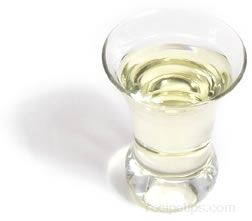
Oil Extraction Methods | Types of Edible Liquid FatsOlive Oil Basics | Types of Olive Oil
Oil Extraction Methods
There are numerous edible oils obtained from plant sources that are used for hundreds of culinary, pharmaceutical, and cosmetic products.
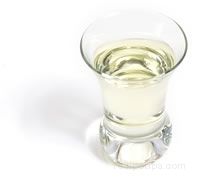
Refined Olive Oil
Three types of olive oil are available as a result of refining processes:
Refined Olive Oil
Olive Oil
Olive Pomace Oil
Refined Olive Oil
Olive oil known as "Refined Oil" is obtained from refining virgin olive oil that has defects.
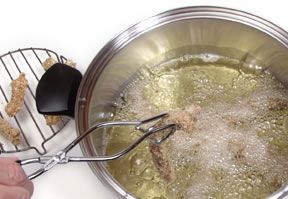
Purchasing Tips | Cooking Tips | Cooking Oil Care | Olive Oil Tasting
Oils and Fats Purchasing Tips
Purchasing Tips
A product labeled "whipped butter" is regular butter that has had air beaten into it in order to increase the volume and to make it easier to spread.
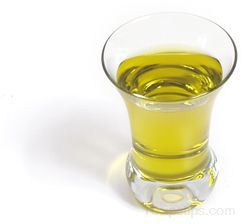
Types of Fat Structures | Fat Composition of Oils and Solid FatsThe Controversy over Coconut Oil | Olive Oil Nutritional Facts
Types of Fat Structures
All edible oils and solid fats are 100% fat, but the components that make up the fat structure of a particular edible fat are important in determining whether or not it is considered healthy.
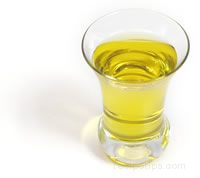
Marketing Methods | Quality Factors | Purchasing Tips | Read the Label
Olive oil has been a staple in the Mediterranean diet for centuries and has also become very popular in the United States as well.
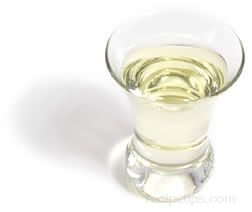
Storage of Liquid Fats | Storage of Solid FatsDeep-Frying Safety Tips | Olive Oil Handling/Safety/Storage
Guidelines for Storage of Liquid Fats
General Guidelines
Air, heat, light, and age affect the quality and the shelf life of many types of edible oils, which deteriorate through oxidation (rancidity).
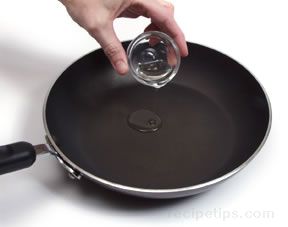
Sautéing | Pan-Frying | Stir-Frying | Deep-Frying | Grilling and BroilingBaking with Olive Oil | Smoke Point | Cooking Guidelines
Sautéing
Sautéing is a cooking process using high heat that browns and sears food quickly in a small quantity of oil or fat in a skillet.
Miscellaneous Olive Oils
There are other olive oils available to the consumer that are sold as value added products, such as light oils and flavored oils. The names given to these products do not necessarily determine the quality or grade of the oil, although the name may include the grade of the oil such as "Light Extra Virgin Olive Oil" or "Mild in Taste, Virgin Olive Oil".
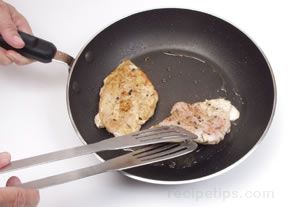
Sautéing is a cooking method that quickly cooks the chicken using a little oil and high heat. Olive oil, vegetable oil, corn oil, canola oil, and soy oil are commonly used oils.
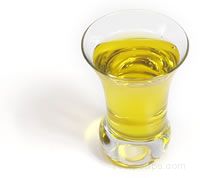
Virgin Olive Oil
Virgin olive oil grades are produced in the same manner as extra virgin grades. The oil is not refined or processed after pressing. The natural acidity levels are greater than extra virgin grades, ranging from 1.
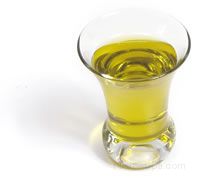
Extra Virgin Olive Oil
Extra virgin olive oils are produced from the first pressing, which is performed within 24 to 72 hours of harvesting. Mechanical or hand pressing are the only methods used to obtain extra virgin olive oil.
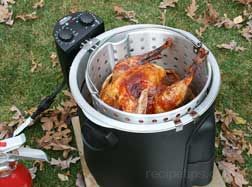
Deep-frying, also known as deep-fat frying, is a process of immersing food in a deep pot containing heated oil. The turkey cooks quickly, producing a crispy surface over a tender and moist interior. It is becoming a popular alternative to roasting a whole turkey.
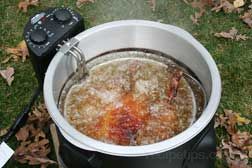
Safety First | Turkey Deep-Fry CookersSelecting the Oil | Measuring the Oil | Preparing the TurkeyPreparing the Cooker | Placing the Turkey into the Cooker | Cooking the Turkey
Deep-frying, also known as deep-fat frying, is a process of immersing food in a deep pot containing hot oil, which cooks the food quickly, producing a crispy surface over a tender and moist interior.
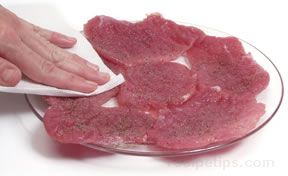
Sautéing is a dry heat cooking method that quickly cooks the pork using a little oil and high heat. The types of pork best suited for sautéing are the more tender lean cuts, such as loin chops, tenderloin medallions, cutlets, and ground patties.
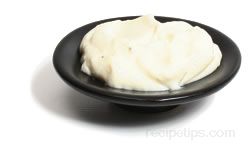
White Sauces | Brown Sauces | Tomato Sauces (or Red Sauces) | Egg Yolk and Butter SaucesEgg Yolk and Oil Sauces | Oil and Vinegar Sauces | Flavored Butter Sauces
White Sauces
In French cooking, traditional white sauces are one of two types: those made with hot milk added to a white roux (such as Béchamel sauce or Mornay sauce) or sauces made with hot broth or stock added to a white roux (such as Velouté sauce).
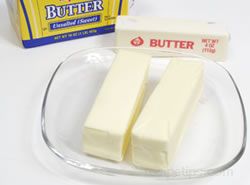
Clarified Butter | Brown Butter | Homemade Butter
Clarified Butter
Melting whole butter and removing the milk solids and water, produces clarified butter. It is a rich golden fat that is also referred to as drawn butter.
Extreme care is necessary to ensure safety when deep-frying a whole turkey. Because the required equipment can be cumbersome and the large quantity of hot oil necessary for cooking a whole bird can be dangerous, deep-frying a whole turkey is much less safe than deep-frying food on a smaller scale.
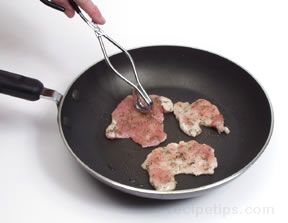
Sautéing is a cooking process using high heat that quickly browns and sears food in a small quantity of oil in a skillet. It is actually the same process as searing except that sautéing completely cooks the meat and searing is simply a means to brown the meat so that the cooking process can be completed with another method.
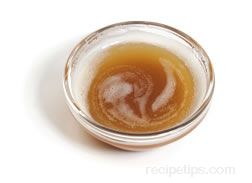
Most of the edible fats described below are solid or semisolid at room temperature and most are from animal sources. A small number of plant fats are also naturally solid or semisolid at room temperature.
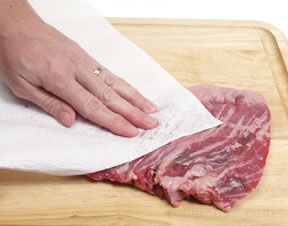
Sautéing is a cooking process using high heat that quickly browns and sears beef in a small quantity of oil in a skillet. It is actually the same process as searing except that sautéing completely cooks the meat and searing is simply a means to brown the meat so that the cooking process can be completed with another method.
Top 250 articles found
Displaying 1-20 | Next 20 >>


Advertisement
Advertisement