
Loading
Search
We hope you found what you are searching for. If not, contact us and let us know what your want. We will do the work for you and get back to you when we're done.
freezing corn - Knowledge Search
Top 35 articles found
Displaying 21-35 | << Prev 20
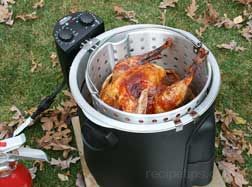
Deep-frying, also known as deep-fat frying, is a process of immersing food in a deep pot containing heated oil. The turkey cooks quickly, producing a crispy surface over a tender and moist interior. It is becoming a popular alternative to roasting a whole turkey.
Storage of Liquid Fats | Storage of Solid FatsDeep-Frying Safety Tips | Olive Oil Handling/Safety/Storage
Guidelines for Storage of Liquid Fats
General Guidelines
Air, heat, light, and age affect the quality and the shelf life of many types of edible oils, which deteriorate through oxidation (rancidity).
Most of the edible fats described below are solid or semisolid at room temperature and most are from animal sources. A small number of plant fats are also naturally solid or semisolid at room temperature.
Oil Extraction Methods | Types of Edible Liquid FatsOlive Oil Basics | Types of Olive Oil
Oil Extraction Methods
There are numerous edible oils obtained from plant sources that are used for hundreds of culinary, pharmaceutical, and cosmetic products.
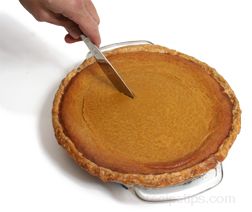
There is nothing like a homemade pumpkin pie to share with family and friends. Learning the proper steps on how to make pumpkin pie from scratch is well worth the effort, for no shortcut method can match the flavor and texture of homemade pumpkin pie.
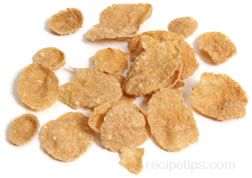
Described below are some of the products (including flour) created directly from various grains. Other than a few exceptions, products that are created after the grain has been ground into flour are not described, because they are so numerous.
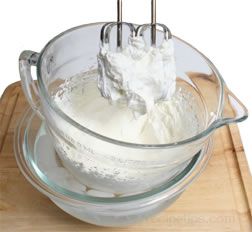
Types of Cream | Flavoring Whipped Cream | Preparing in Hot or Cold WeatherWhipping the Cream | Stabilizing Whipped Cream | Storing | Other Whipped Toppings
Whipping cream can be used for several purposes.
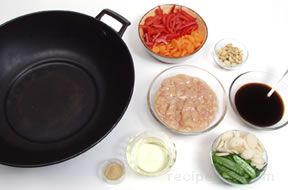
Stir-frying, like sautéing, is a cooking method that quickly cooks the turkey in a little oil, using high heat. The difference between the two methods is that sautéing cooks serving size pieces of meat and stir-frying involves cooking smaller size pieces that have been cut into strips, cubes or diced pieces all similar in size.
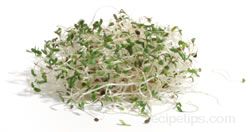
Use this ingredient equivalent chart to find out how much of an ingredient you need when your recipe suggests an unfamiliar quantity.
A - B - C - D - E - F - G - H - I - J - K - L - M - N - O - PQ - R - S - T - U - V - W - X - Y - Z
A - Ingredients
Ingredient
Amount
Equivalents
Alfalfa Sprouts
1 lb.
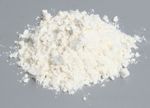
When making homemade pasta you will need to decide what type of flour you want to use. If making a flavored pasta that requires something other than a different variety of flour, you will need to purchase the necessary flavoring agent.
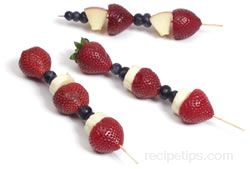
Make this a Red, White, and Blue summer with some of these ideas to add color to your celebration. Whether you are celebrating Memorial Day, the 4th of July, or welcoming our troops home, you will find these suggestions will add just the right touch to you special occasion.

Stir-frying, like sautéing, is a dry heat cooking method that quickly cooks the pork in a small amount of oil, using high heat. The difference between the two methods is that sautéing cooks pieces of meat that are about the size of a serving portion and stir-frying involves cooking smaller pieces of food that have been cut into small strips or cubes all similar in size.
The stir-frying process requires high heat and the proper type of cookware for a successful outcome. Ingredients are stirred and tossed in a large pan to ensure quick and even cooking.
Stir-frying, like sautéing, is a cooking method that quickly cooks the chicken in a little oil, using high heat. The difference between the two methods is that sautéing cooks serving size pieces of meat and stir-frying involves cooking smaller size pieces that have been cut into strips, cubes or diced pieces all similar in size.
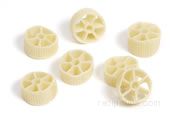
Basic Types | Flavors and Colors | Pasta Shapes | Pasta Sauces
Pasta is a basic staple ingredient used in cooking. It is available in hundreds of shapes worldwide and in many different flavors.
Top 35 articles found
Displaying 21-35 | << Prev 20


Advertisement
Advertisement