
Loading
Search
We hope you found what you are searching for. If not, contact us and let us know what your want. We will do the work for you and get back to you when we're done.
chevre cheese - Glossary Search
Top 250 glossary terms found
Displaying 141-160 | << Prev 20 | Next 20 >>
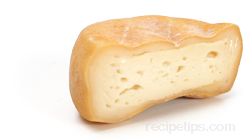
Originating in Portugal, this variety of cheese is made from unpasteurized sheep's milk and is sold after it ages for at least 2 months.
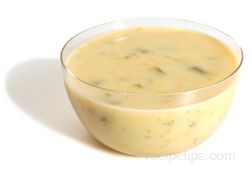
Made from a base of cheddar and parmesan cheese, this type of soup is served as either a side dish to accompany sandwiches and salads, or as an ingredient for use in food recipes.

Made in the Roncal valley of Spain, adjacent to the Pyrenees mountains, this cheese is a popular and well known cheese commonly made as an artesan variety.
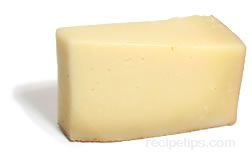
Made in the Friuli region of northern Italy, this variety of cheese is produced from pasteurized cow's milk.
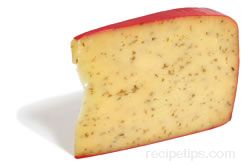
Also referred to as Leidsche Kaas, Leidsekaas or Leiden cheese in the Netherlands, this cheese is of Dutch origin and made in the city of Leiden, which is similarly known as Leyden as well.
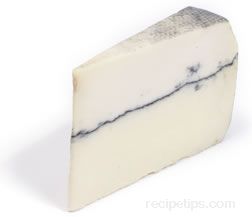
A traditional method of enhancing the appearance of cheese, to make it look distinctive or artesian crafted.
A term commonly applied to European cheeses referring to any of the different types of cheeses that are made by traditional cheese making methods and produced from the raw milk of animals such as cows, goats or sheep raised on a small regional farm, a mountain chalet farm or mountain hut.
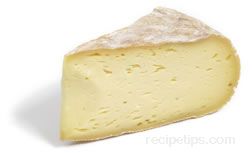
A traditional farmhouse cheese from the Pyrenees region of France that is made from cow or goat's milk.
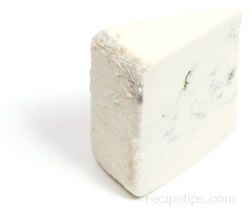
A variety of blue cheese that comes from the state of Iowa in the U.S. It is a traditional farmhouse cheese made from unpasteurized cow's milk.
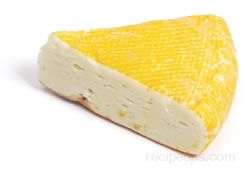
A product native to Germany and France, which is produced from cow's milk, formed into a round block of smooth semi-soft textured cheese.
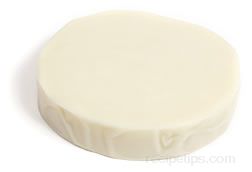
An Italian cheese made from whole cow's milk, having a firm texture and flavor that ranges from mild and slightly sweet or spicy when young to a flavor that is strong, tangy, and somewhat salty as it ages.
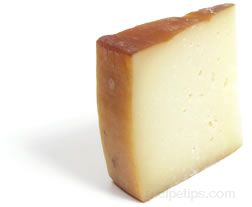
A sheep's milk and milk whey cheese originating in the Basque and Navarre regions of Spain. It is a hard, unpasteurized cheese that comes in various sized cylinders.
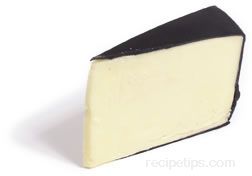
A variety of cheese, made from cow's milk, that is named for the county in New York where it originated.
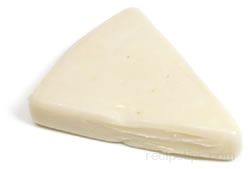
A Greek cheese made from sheep or goat's milk. It is dull white to pale yellow in color and has a semi-hard consistency with a springy texture.
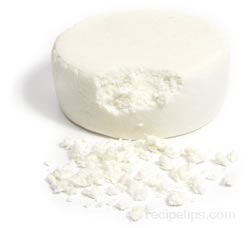
A firm textured, somewhat crumbly white Mexican cheese, traditionally made from goat's milk but also made from cow's milk.
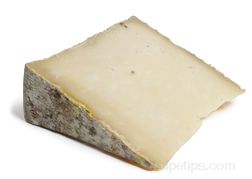
Native to Europe, this old world variety of cheese comes from the Piedmont region of northern Italy and is not often found in stores.
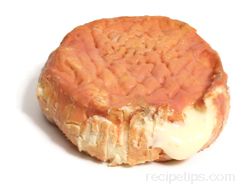
Made from pasteurized and unpasteurized cow's milk, this variety of cheese originates from the Burgundy region of France where the town of Epoisses is located.
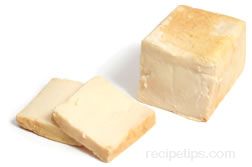
Strong on aroma, this variety of cheese originated when it was first produced by the Trappist monks in Belgium in the early 18th century.
A French cheese made from unpasteurized or pasteurized goat's milk. Typically coated with ash, this cheese is formed into small disks with one flat and one rounded side.
French goat's milk cheese made in the Poitou region, south of the Loire valley. Cured dried, this cheese is molded in a cylinder shape and allowed to age for a month or two as a thin white, rough rind becomes yellowed and blue with mold.
Top 250 glossary terms found
Displaying 141-160 | << Prev 20 | Next 20 >>


Advertisement
Advertisement