
Loading
Search
We hope you found what you are searching for. If not, contact us and let us know what your want. We will do the work for you and get back to you when we're done.
healthy cooking - Glossary Search
Top 49 glossary terms found
Displaying 21-40 | << Prev 20 | Next 9 >>
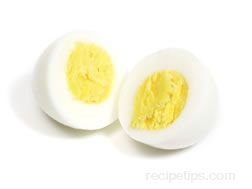
A type of egg that is cooked in the shell until the yolk and the white are completely solid. In order to accomplish this use fresh eggs that are warmed to room temperature.

Produced as a finishing tool for baked goods, this utensil is most often used to add the golden tan surface to crème brulée desserts by caramelizing sugar sprinkled over the top.

Meat that has been cooked for a period of time that is considered to not be long or short, leaving the center sliightly warm and somewhat dark pink to dark in color.
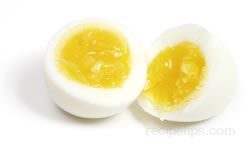
Eggs boiled in their shells until the whites are firm and the yolks are partially firm but not completely firm, as they would be in a hard-cooked egg.

Originating in the U.S., this term describes the combining of two types or styles of food preparation and cooking into one fused result.
A ham that has been thoroughly heated during some part of the processing to a temperature exceeding 147° F, making it ready to eat without further cooking.

Sherry with added salt. The sherry is undrinkable and is for cooking only.
Also known as boiled ham, the meat is cured, shaped, and cooked in steam or water. It is then packaged whole or sliced and sold as luncheon meat.
A ham that has been heated during some part of the processing to an internal temperature exceeding 137°F but less than 148° F.
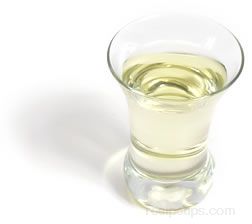
A type of cooking oil that is produced from the rice bran when it is removed as a by-product from the grain of rice as it is processed.
Term used to describe a wine with a heavy, prune flavor or that is overripe.
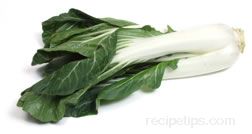
Cooking greens from the mustard plant that are grown in both red and green varieties. This green provides a peppery flavor to assorted cooked dishes or when eaten raw.

A commercial sprayer that dispenses a very fine mist of extra-virgin olive oil to coat unheated pans to prepare them for grilling, sautéing, broiling, roasting or baking.
One of the naturally occurring chemicals that are produced in food as it is cooked or baked. Typically, foods with higher levels of starch, such as potatoes or products made from potatoes, produce Acrylamide when they are fried, due to the temperatures reached during the cooking process.
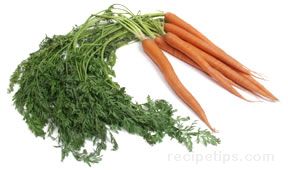
A plant from the parsley family with feathery green leaves sprouting from the top of the root and an orange root that can be eaten raw or cooked.
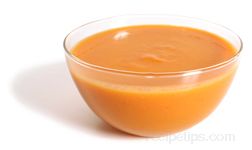
A milk and/or broth-based soup made from the flesh of orange Sweet Potatoes. Typically, this soup contains bits of onion and garlic cooked in a chicken broth that is mixed with milk, yogurt or half-and-half as a base.
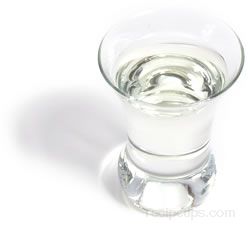
Also known as sunflower seed oil, this golden colored oil is derived from the seeds of the sunflower plant.
beta-carotene,
Escherichia coli, or E. coli which is a shorter version of the name, refers to an illness from foodborne pathogens that may be transmitted from: 1) Person to person if hands, utensils and counters were not washed thoroughly; 2) Ingesting contaminated liquid substances such as may occur by swimming in contaminated water, drinking raw milk or unpasteurized ciders and juices; 3) Eating food that is undercooked such as raw ground meat (hamburger or sausage)as well as meat infected during processing that is not cooked sufficiently to kill the bacteria; or: 4) Eating produce that is contaminated with bacteria, such as occurs with plants coming in contact with feces or sewage from contaminated water.
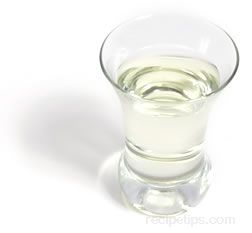
Canola is the marketing name for oil that is obtained from rapeseeds. It is also known as LEAR oil, or "Low Erucic Acid Rapeseed" oil.
Top 49 glossary terms found
Displaying 21-40 | << Prev 20 | Next 9 >>


Advertisement
Advertisement