
Loading
Search
We hope you found what you are searching for. If not, contact us and let us know what your want. We will do the work for you and get back to you when we're done.
breads using starters - Knowledge Search
Top 6 articles found
Displaying 1-6
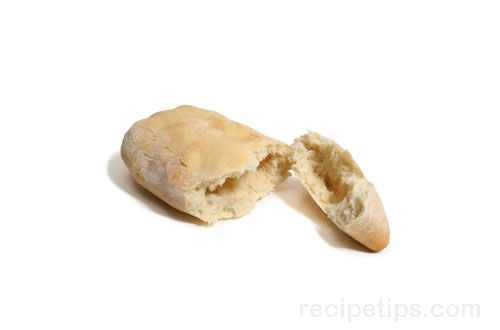
Using a starter is, perhaps, the oldest method for preparing leavened breads. Many basic bread varieties use a starter as the leavening agent. Although it can be a lengthy process, using a starter greatly contributes to the flavor and texture of the bread.
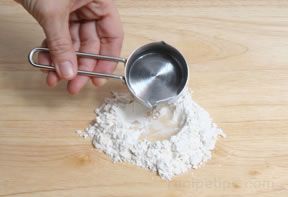
Sourdough Starter | Sponge Starter | Old Dough Method
The primary difference between making bread with a starter and making bread with the direct or straight yeast method is that starter breads require much more time to prepare, but the flavor and texture of the bread is almost impossible to achieve with other leavening methods.
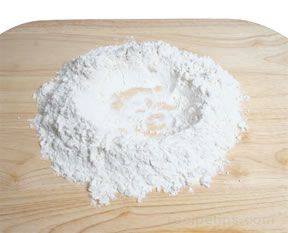
Hand Mixing on a Flat Surface | Hand Mixing in a Bowl
Hand Mixing on a Flat Surface (Well Method)
A traditional method for dough preparation is to combine the dry and liquid ingredients directly on a clean, smooth work surface.
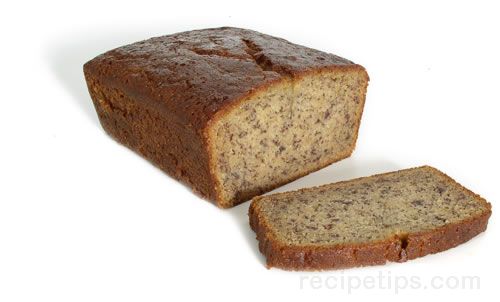
Quick Breads
Quick bread refers to breads that require minimal preparation time, are made from batter more often than from dough, and are leavened with chemical agents, such as baking soda or baking powder, instead of yeast or natural starters.
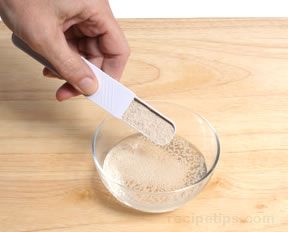
Risen breads rely on a means of producing carbon dioxide gas that becomes trapped in the batter or dough causing the dough to rise. The carbon dioxide gas is produced either as a byproduct of fermentation or through the use of chemical agents.
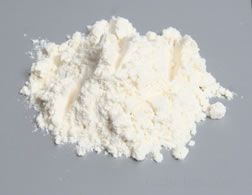
A Guide for Selecting the Proper Wheat Flour
It is wise to use flours specifically formulated for various baked goods, such as bread flour or cake flour, although all-purpose flour is suitable for a majority of items.
Top 6 articles found
Displaying 1-6


Advertisement
Advertisement