
RecipeTips.Com Home glossary | C | Chemical Leavening Agents
Join Now | Sign In | RSS Feeds RSS Feeds
Chemical Leavening Agents: Cooking Terms: RecipeTips.com
Recipes Cooking Tips & Advice Glossary Community Videos
hints
e-Newsletter
RecipeTips.com Newsletter Sign Up
back to Glossary Index

Chemical Leavening Agents

print Print Chemical Leavening Agents term  |  email Email Chemical Leavening Agents term  |  rate this term Rate this term  | Bookmarks
Compounds, produced from chemicals, that are used as leavens for a wide range of baked goods. Baking soda and baking powder are among the most often used chemical leavens. Breads using chemical agents for leavening are known as, “quick breads,” because of the rapid rate of the rising action and the short preparation time required. Chemical leavening agents react immediately when combined with a liquid; therefore, they are mixed with the other dry ingredients before any liquid ingredients are added. Chemical leavening agents allow bread dough to be prepared in minutes instead of hours.

The chemical leavening agent, baking powder, is a mixture of baking soda, an alkaline ingredient; cream of tartar, an acidic ingredient; and a starch, such as cornstarch, which prevents clumping of the powder. It is most often used in quick bread recipes that contain no acidic ingredients. It reacts immediately when added to liquids. Baking powder is often referred to as; “double acting baking powder,” because it causes two separate rising actions to occur in the dough or batter. The first reaction occurs when the baking powder is mixed with liquid ingredients causing carbon dioxide gas to be produced, which causes the batter or dough to rise. The second reaction occurs when heat is applied during the baking process, which causes further expansion.

Baking soda is an alkaline leavening agent made of sodium bicarbonate that reacts immediately when combined with a liquid. In most quick bread recipes, the baking soda is mixed with the other dry ingredients before any liquid ingredients are added. In order for baking soda to work properly as a leavening agent, it must be used in recipes that contain acidic ingredients, such as molasses, buttermilk, or chocolate. The chemical reaction produces carbon dioxide gas, which cause the batter or dough to rise.

Cream of tartar is also used as a leaven. It is an acidic ingredient that is often used in conjunction with baking soda, which is an alkaline ingredient.

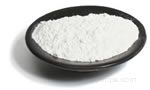
BakingPowder
Baking Powder
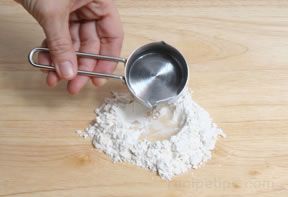
Baking Soda
Baking Soda
Cream of Tartar
Cream of Tartar

Chemical Leavening Agents term - Related Content

Glossary Terms
Chemical Leavener

Chemical Leavener

Chemical compounds such as baking powder and baking soda that react with other ingredients to produce carbon dioxide gas. This helps dough and batter, used for baked goods, to ...
Natural Leavening Agents

Natural Leavening Agents

Yeast substances that produce fermentation in dough used for bread and other baked goods, causing the dough to rise without the aid of chemical additives. There are several forms ...
Leavening

Leavening

The process of adding a substance to bread dough (and other baked goods) that enables the dough to rise. Risen breads rely on a means of producing carbon dioxide gas that becomes ...
Leavened

Leavened

A word describing baked goods that have a leavening agent added to them.
Leaven

Leaven

An agent added to baked goods to cause the dough or batter to rise, lightening the texture and adding volume. Some of the leavening agents used are beaten eggs or egg whites, ...
Cooking Tips & Advice
Leavening Using Chemical Leavens

Leavening Using Chemical Leavens

Chemical leavening agents allow bread dough to be prepared in minutes instead of hours. Chemical leavens, such as baking soda and baking powder, react immediately when ...
Leavening Using a Starter

Leavening Using a Starter

Sourdough Starter | Sponge Starter | Old Dough Method The primary difference between making bread with a starter and making bread with the direct or straight yeast method ...
Leavening Direct or Straight Yeast Method

Leavening Direct or Straight Yeast Method

Fresh Cake Yeast | Active Dry Yeast | Quick-Rising Active Dry Yeast Yeast that is activated in warm water before it is mixed with the flour and other ingredients to form ...
Leavening

Leavening

Risen breads rely on a means of producing carbon dioxide gas that becomes trapped in the batter or dough causing the dough to rise. The carbon dioxide gas is produced ...
Clip and save Coupons available
Advertise With Us ADVERTISEMENT
Daily Feature
Ginger Carrot Cupcakes Recipe
view past daily features
Party Planner
RecipeTips.Com Home glossary | C | Chemical Leavening Agents
Join Now | Sign In | RSS Feeds RSS Feeds
Reproduction in whole or in part without written permission is strictly prohibited.
© Copyright 2008 Tecstra Systems, All Rights Reserved, RecipeTips.Com