Olive Pomace Oil

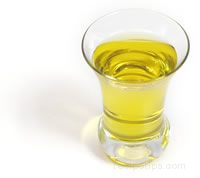
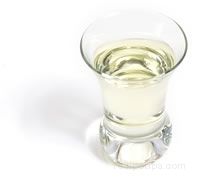
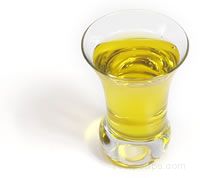
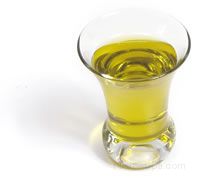
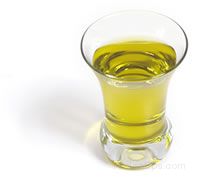
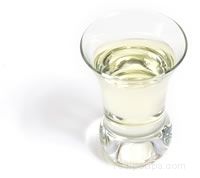
A type of low grade olive oil that must be refined before it can be sold for human consumption. The oil is obtained from the residue that remains after the "first cold pressing." Up to 90% of the oil is obtained from the olives during the first cold pressing, but the remaining 10% is contained within the residue. The residue is shipped to refinery facilities that use heat and chemical processes to extract the oil from the olive residue. The level of acidity may not exceed 1.5% after the refining process. A small quantity of virgin olive oil may be added for flavor and color. Olive pomace oil is the lowest grade of olive oil approved for human consumption; however, it is not widely available to the consumer: It is most often used for commercial purposes.

Ratings, Reviews & Comments

There currently aren't any reviews or comments for this term. Be the first!

Olive Pomace Oil Glossary Term - Related Content

Recipes
Ingredients included in this recipe are garlic cloves, olive oil, Salt.
Ingredients included in this recipe are chopped fresh thyme, chopped fresh oregano, chopped fresh parsley, olive oil, grated lemon rind, garlic, minced, Salt, freshly ground black ...
Ingredients included in this recipe are melted butter, sugar, Grated Lemon Zest, whole eggs, Olive Oil, whole milk, flour, baking powder, Salt, minced fresh thyme, For the glaze, ...
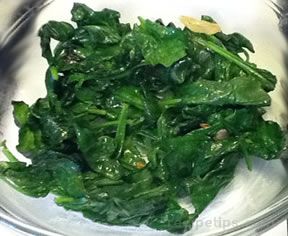
This easy sautéed spinach recipe will feed four people as a side dish and works well with many different entrees. Using heart-healthy olive oil and cooking until the spinach leaves are just wilted maximizes the health benefits of this tasty side dish. To save time, you can buy pre-washed spinach or baby spinach packages at most grocery stores.
Flavorful, moist cornbread cake great as a snack or dessert with rosemary.
Ingredients included in this recipe are butter, garlic, minced, heavy cream, black pepper, Pinch of salt, grated Parmesan cheese.
Ingredients included in this recipe are cream cheese, bleu cheese, chopped ripe olives, minced chives.
Cooking Tips & Advice
Marketing Methods | Quality Factors | Purchasing Tips | Read the Label Olive oil has been a staple in the Mediterranean diet for centuries and has also become very popular in the United States as well.
Refined Olive Oil Three types of olive oil are available as a result of refining processes: Refined Olive Oil Olive Oil Olive Pomace Oil Refined Olive Oil Olive oil known as "Refined Oil" is obtained from refining virgin olive oil that has defects.
Virgin Olive Oil Virgin olive oil grades are produced in the same manner as extra virgin grades. The oil is not refined or processed after pressing. The natural acidity levels are greater than extra virgin grades, ranging from 1.
Extra Virgin Olive Oil Extra virgin olive oils are produced from the first pressing, which is performed within 24 to 72 hours of harvesting. Mechanical or hand pressing are the only methods used to obtain extra virgin olive oil.
Miscellaneous Olive Oils There are other olive oils available to the consumer that are sold as value added products, such as light oils and flavored oils. The names given to these products do not necessarily determine the quality or grade of the oil, although the name may include the grade of the oil such as "Light Extra Virgin Olive Oil" or "Mild in Taste, Virgin Olive Oil".
Glossary Terms
The lowest grade of virgin olive oil: It is not fit for human consumption. It has a natural acidity above 3.3% and may also have an unpleasant taste and aroma.
A type of olive oil that is obtained from olives grown on an individual farm. The olives are usually harvested by hand and the oil is pressed and bottled on site.
A term that refers to large quantities of olive oil shipped to bottlers from various regions of a country or from several different countries.
A term that refers to olive oil that is light in flavor: It is not a designation for olive oil that is low in calories.
A type of olive oil that has been highly processed in order to neutralize defects in the oil. Among the defects are a natural acidity higher than 3.3%, poor flavor, and an unpleasant odor.
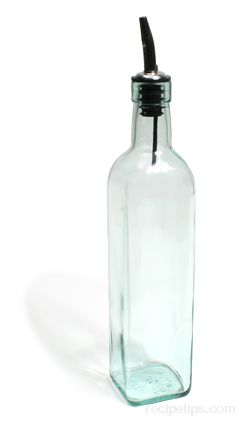
A bottle that is typically formed in a manner, such as tall and narrow, for use in conveniently holding and dispensing olive oil.
Enter and View Your Recipes
Advertisement
Reproduction in whole or in part without written permission is strictly prohibited.
© Copyright 2012 Tecstra Systems, All Rights Reserved, RecipeTips.com