
Roasting Pan

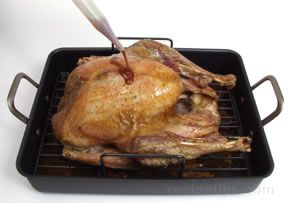
A pan used for roasting foods in a conventional gas or electric oven. A roasting pan should be large enough to place a metal roasting rack in the bottom, heavy enough to be used on the stovetop burner for making gravy and sauces from the drippings, and well made of thick metal with sturdy handles for maintaining a good grip on the pan to easily control it when filled with the foods being cooked. For use in an oven, the Roasting Pan should be of a size that allows at least 2 to 3 inches of space around the foods being cooked and away from the oven walls, so air can circulate effectively. The size of the item being roasted determines the proper size of the pan to be utilized, making sure to roast smaller foods in smaller pans. Otherwise, juices from the food will be dispersed too widely, causing them to evaporate and burn on the bottom of the pan. Therefore, if it is most often to be used to roast foods such as a whole turkey, make sure the pan is large enough to hold a 20 to 30 pound bird, which is a Roasting Pan that is 16 to 22 inches in length. Pan sizes will generally range from 14 to 22 inches long, 8 to 14 inches wide and 5 to 6 inches high.

Some pans will be constructed of anodized aluminum while others may be enameled steel or stainless steel, any of which can be made into high or low quality products. Generally, check the quality of the manufacturer to insure the quality of the pan. The weight and overall construction of the pan should be sufficient to allow for good heat conduction, so some areas of the pan do not become hotter than others, thus cooking various parts of the food faster that other parts. Thinly constructed pans will have a tendency to cause foods to burn faster than pans with thicker construction that may be made of several layers of metal, such as 5-ply stainless steel pan. Also, thinner metals will warp and cause a build-up of juices in uneven sections of the pan. Materials such as stainless steel are good materials for cooking but not when only the interior or exterior surface is all that is provided for the roasting pan. There needs to be at least one layer sandwiched between two layers of stainless steel. Most often an aluminum layer, which is much better for an even conduction of heat, will be used as the material to be layered between the stainless. When pans conduct heat evenly and without uncontrolled periods of rapid increases and decreases in temperature, then the pan remains flat and most often will not warp. Thus, check the pan materials and construction to insure consistency in the items to be cooked in the Roasting Pan. The pan bottom should be well shaped, sturdy, and evenly spread across the bottom, allowing it to lie perfectly flat on a hard surface and not be prone to changing shape when heat is applied to the pan. The walls of the pan will vary in height, but should be sufficient to reduce splattering juices from escaping. Some companies produce pans with non-stick surfaces that resist scratches when exposed to metal utensils, which is a helpful feature.

There are roasting pans produced with lids having protruding embossed spots dispersed throughout the pan lid that help to gather moisture. As the moisture builds up on the lid and becomes heavy, it moves to the protruding spot and then drips back onto the food being cooked. The pan is oval shaped with deep sides and a large domed cover. It is available in several sizes and material, such as granite, anodized aluminum, and stainless steel. The meat is cooked with the cover on, which acts as an oven in an oven, resulting in the meat cooking more quickly and in a moister environment. This pan may also be referred to as a roaster or a French oven. Roasting pans are readily available in hardware stores, appliance stores, and houseware departments of major retail chain stores.

Roasting Pan Glossary Term
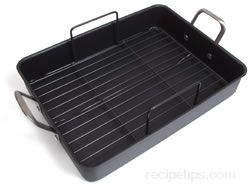
Rectangular Roasting Pan
Roasting Pan Glossary Term
Oval Covered Roasting Pan

Ratings, Reviews & Comments

There currently aren't any reviews or comments for this term. Be the first!

Roasting Pan Glossary Term - Related Content

Collections
Entertain your guests with one of these prime rib recipes.
Recipes
Ingredients included in this recipe are frozen hash browns (2 lb. bag), butter, melted, Salt, pepper, onion, chopped, cream of chicken soup, Cheddar cheese, shredded.
Ingredients included in this recipe are potatoes, onions, Wesson oil.
Ingredients included in this recipe are Irish Potatoes (large), yellow onion (large), Crisco Oil.
Ingredients included in this recipe are peeled and cubed potatoes (medium), bacon, purple onion, oil.
Ingredients included in this recipe are bone-in chicken pieces, potatoes, cut into wedges (large), Italian dressing.
Ingredients included in this recipe are drippings (that the pork, ham, chicken or beef was cooked inch), flour, Liquid (Milk), salt.
Ingredients included in this recipe are loaf Texas Toast, unseasoned, butter, Brown Sugar, cinnamon, eggs.
Cooking Tips & Advice
Turkey breast roasting times are important to creating delicious turkey recipes with turkey breast. For more details on roasting and other cooking methods, see Turkey Cooking Guide. Also learn more about turkey preparation with the complete Turkey Guide.
According to manufacturers of electric roasters, a roaster oven cooks at approximately the same temperature and in the same time as a conventional oven. For best results, follow the manufacturer's instructions.
NOTE: Using a convection oven will cut as much as 25% off traditional roasting times.   CookingTemperature WeightUnstuffed EstimatedCooking Time WeightStuffed EstimatedCooking Time 300º F.
Sautéing | Pan-Frying Sautéing Sautéing is the technique of cooking thin cuts of lamb in a small quantity of hot fat in an uncovered pan. This is considered a 'dry heat' method because fat does not contain water.
Roasting a rack of lamb is an impressive entrée to prepare for Easter or any special occasion. Roasted Rack of Lamb will be the main attraction on any dinner table. Use the appropriate lamb cooking times for proper doneness, and you will have a spectacular feast for any special dinner.
The roasting method can be used on all types of ham with a slight variation in the ham cooking time. Roasting is often used for cooking ham, but there are many other methods that can be used; see the Ham Cooking Guide for more information on how to cook a ham.
Proper pan preparation will result in easy removal of the finish baked goods. There are several preparation methods that work well. Read the recipe carefully to identify the proper method to use.
Glossary Terms
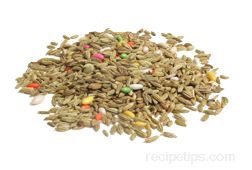
A herb, nut and seed mixture that is commonly served Middle Eastern countries such as India. Pan Masala is most often considered to be an item to aid digestion or used as a breath freshener for use after consuming highly spicy meals.
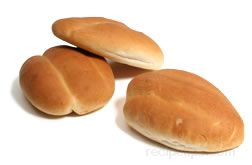
A type of bread that has been a Latin American staple for centuries. Pan Cubano is prepared using bread flour or all-purpose flour and a starter is used as a leaven.
Often considered to be a spatula without a handle, the Pot or Pan Scraper is made to assist with the cleaning of contents remaining in pots, pans, bowls, dishes, plates, and other kitchen ware.
A safety covering mitten to fit around the steel handle of cast iron or similar pans and griddles that are used for stovetop, oven, or open flame cooking.
Similar to a muffin pan or tin, this type of bakeware is lower in height and is made specifically for the shorter biscuit made from bread dough.
Typically made of cast iron but also available in other materials, this pan is built for the purpose of making individual servings of scones or cornbread.
Also known as a broiler roaster, oven roaster or oven broiling pan, this piece of cookware is used to broil foods in the oven such as steaks, roasts, or various cuts of meat, poultry and vegetables.
Enter and View Your Recipes
Advertisement
Reproduction in whole or in part without written permission is strictly prohibited.
© Copyright 2012 Tecstra Systems, All Rights Reserved, RecipeTips.com