
|
|
| back to Glossary Index |
 |
|
|
 |
|
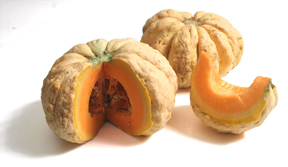
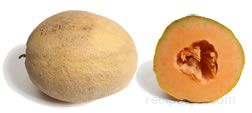
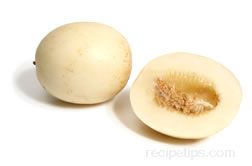
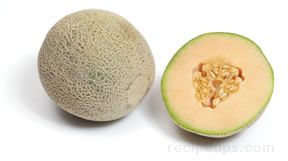
Aside from watermelon, which is a different species, there are three basic types of melons. The first type are small, ridged skin melons, such as the charentais, which are a variety that is more common in Europe than other regions. The second type are melons with a netted or mesh rind, a very common variety that are often referred to as muskmelons or canteloupes in the U.S., but are actually muskmelons. The U.S. cantelopes are not the same as canteloupes from Europe where they originated, which have a rough bumpy skin. The third type are melons with a smooth rind, such as honeydew. All of the types of melons have a sweet tasting flesh when fully ripe, which varies in color depending on the variety of melon.
Selecting a ripe melon is not always an easy task as melons do not ripen well once they have been picked off the vine. Some tips when selecting are: smell the melon, it should smell fresh and sweet with a fruity odor; shake it, loose seeds are an indication that the melon is ripe but they should not be sloshing loosely; apply pressure on the ends using your fingers or hand, they should be soft or tender not mushy, particularly the end opposite the stem; and, select well rounded shapes that feel heavy for their size.
If storing melons for a few days, be sure to keep them somewhere out of the sunlight, at a temperature not to exceed 70° and then chill before serving. If storing cut melons in the refrigerator, be sure to cover with plastic or foil to keep other foods from taking on the melon odor or flavor. Full melons that are ripe can be stored in the refrigerator for a week or less. To enhance the flavor of melons being served, sprinkle a little lemon or lime juice to the fruit after it has been sliced.
|
 |
|
|
 |
|
 |
 |
USDA Nutrition Facts |
 |
|
 |
 |
 |
| Calories 21 |
 |
| Protein 0g |
 |
| Total Fat 0g |
 |
| Total Carbohydrates 4g |
 |
| Dietary Fiber 0g |
 |
| Sugars 3g |
 |
| Potassium 140mg |
 |
| Sodium 11mg |
 |
 |
 |
 |
|
|
| Serving Size 1 cup, unthawed |
 |
 |
 |
| Calories 33 |
 |
| Protein 0g |
 |
| Total Fat 0g |
 |
| Total Carbohydrates 7g |
 |
| Dietary Fiber 0g |
 |
| Potassium 280mg |
 |
| Sodium 31mg |
 |
| Cholesterol 0mg |
 |
 |
 |
 |
|
|
| Serving Size 1 cup, balls |
 |
 |
 |
| Calories 36 |
 |
| Protein 0g |
 |
| Total Fat 0g |
 |
| Total Carbohydrates 9g |
 |
| Dietary Fiber 0g |
 |
| Sugars 8g |
 |
| Potassium 228mg |
 |
| Sodium 18mg |
 |
| Cholesterol 0mg |
 |
 |
 |
 |
|
|
 |
|
Melon term - Related Content |
 |
 |
 |
 |
 |
|
 |
|
|
 |
|
 |
| Most notably known as "Muscadet", however, Melon de Bourgogne is the proper name. A grape varietal, used in the production of white wine, originating in the Loire region of ... |
|
 |
|
|
 |
|
 |
| Most notably known as "Chardonnay". A grape varietal used in the production of white and sparkling wine. Where the Chardonnay varietal originated has not been verified, but it has ... |
|
 |
|
|
 |
|
 |
| A plastic or stainless steel kitchen utensil that has various sized scoops that are inserted into the flesh of a melon and twisted to form the shape of a ball. The melon balls ... |
|
 |
|
|
 |
|
 |
| A type of muskmelon that has a longer ripening life, allowing it to remain firm and sweeter flavored without becoming soft. When ripe, the outer skin of this melon develops the ... |
|
 |
|
|
 |
|
 |
| A small variety of melon that has a rich butterscotch-like flavor. Providing a sweet aroma when ripe, this melon has a light green outer skin that covers a green to orange flesh, ... |
|
 |
|
|
 |
 |
 |
 |
 |
|
 |
 |
 |
|
 |
| The feshness and juiciness of the melon pairs wonderfully with the hot and spicy peppers in this great salsa. |
|
 |
 |
 |
|
 |
| Easy to prepare, this dish looks great and has a fresh tropical flavor. |
|
 |
|
|
 |
 |
 |
 |
|
|
 |
|
|
|
|
|
|
|
|
 |
|
| Reproduction in whole or in part without written permission is strictly prohibited. |
| © Copyright 2009 Tecstra Systems, All Rights Reserved, RecipeTips.Com |
|
|
|
 |
|