
Loading
Search
We hope you found what you are searching for. If not, contact us and let us know what your want. We will do the work for you and get back to you when we're done.
lamb roasts for braising - Knowledge Search
Top 23 articles found
Displaying 1-20 | Next 3 >>
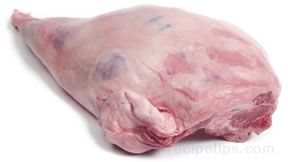
Roasting a rack of lamb is an impressive entrée to prepare for Easter or any special occasion. Roasted Rack of Lamb will be the main attraction on any dinner table. Use the appropriate lamb cooking times for proper doneness, and you will have a spectacular feast for any special dinner.
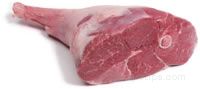
Roasts for Braising
Tougher cuts of lamb that contain a large quantity of collagen
(connective tissue) are ideal candidates for braising.
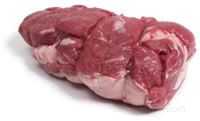
Braising | Stewing
Braising and stewing involve the slow cooking of meat in a liquid. This technique tenderizes and softens firm or tough cuts and allows for rich and subtle blending of the meat flavors with those of the liquid and seasonings.
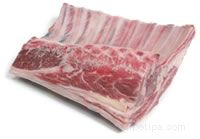
Oven Roasts
A cut of lamb suitable for oven roasting is usually a minimum of
2 inches thick. If not overcooked, the dry heat of oven roasting
enhances the flavor and tenderness of the lamb.
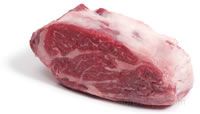
Pot Roasts
Cuts from the chuck are among the most popular cuts for pot-roasting (braising). They have plenty of connective tissues that melt when the meat is pot-roasted making it tender and flavorful.

Types of Lamb | Shoulder | Breast and ForeshankRib | Loin/Flank | Leg | Variety Meats | Special-Order Cuts
Lamb, the meat from the carcass of a young sheep, is a lean red meat with a mild, but distinctive flavor.
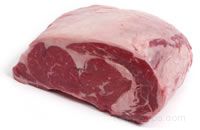
When roasting beef it is important to select the proper cut of roast beef to produce moist and tender meat when the roast beef is cooked to the desired doneness. Using the proper beef cooking times and temperatures is critical to the end results.
Shopping | Roasting | Grilling and Broiling | SautéingGeneral Safety and Handling | Ground Lamb Safety and Handling | Nutrition
Shopping
When shopping for lamb, select lean cuts and use low fat cooking methods such as roasting, broiling, grilling, braising, or stewing.
The USDA recommends 2 or 3 servings of meat, fish, or poultry per day. One serving of cooked lamb is equal to 3 ounces and is about the size of a deck of cards. An average 3-ounce serving of lamb contains about 176 calories, which is comparable to many other types of red meat and poultry.
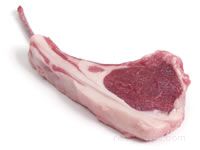
Selecting Cuts | Inspection and Grading | Look and Feel | Quantity to Buy
Selecting Cuts
A successful outcome in cooking lamb depends on matching the recipe or cooking method with an appropriate cut of lamb.
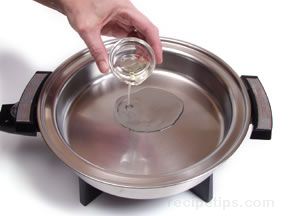
Braising is a process of slow cooking tougher cuts of meat in liquid in order to add flavor and to moisten and tenderize the meat. This technique is also known as pot-roasting.
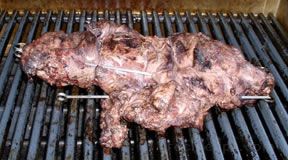
Dry Heat Cooking | Moist Heat Cooking
There are two general methods used for cooking lamb (and most other meats):Dry Heat Cooking and Moist Heat Cooking.
Dry Heat Cooking
When cooking lamb using dry heat cooking, the meat is in direct contact with a hot surface or close to the heat source.
Ribs
Lamb ribs that will be grilled or barbecued are cut from the breast
primal. The rib primal is reserved for tender rib chops and rib
roasts.
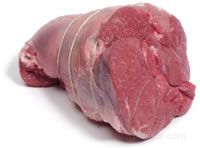
Miscellaneous Cuts
Whole cuts and scraps of fresh lamb can be rolled, cubed, or ground in a food store or meat market into various products that add convenience for the consumer.
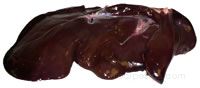
Variety Meats
Variety meats include some of the organs and extremities. Some lamb variety meats may be available in food stores, but most are available from a butcher or specialty meat market or may require special ordering.
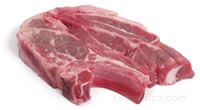
Chops
Chops are among the most popular fresh lamb cuts. The most tender
and expensive chops are cut from the loin and rib.
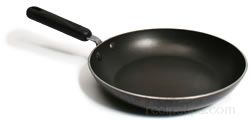
Sautéing | Pan-Frying
Sautéing
Sautéing is the technique of cooking thin cuts of lamb in a small quantity of hot fat in an uncovered pan. This is considered a 'dry heat' method because fat does not contain water.
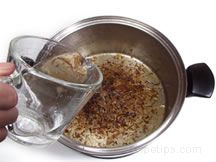
Braising and stewing are very similar moist heat methods of cooking. They both use the same process of searing to enhance color and flavor, and slow cooking in liquid to produce tender, moist meat.
Pork is the meat from the carcass of a pig. The carcass is generally split into two sides of pork, each consisting of four primal cuts. Each primal consists of subprimal cuts that are divided into several specific market ready cuts.
The USDA recommends 2 or 3 servings of meat, fish, or poultry per day. A serving of any type of cooked meat is equal to 3 ounces and is about the size of a deck of cards. Concerns over saturated fat and cholesterol have caused many people to reduce or eliminate their consumption of many types of red meat and to choose a healthier alternative such as turkey.
Top 23 articles found
Displaying 1-20 | Next 3 >>


Advertisement
Advertisement