
Loading
Search
We hope you found what you are searching for. If not, contact us and let us know what your want. We will do the work for you and get back to you when we're done.
light - Knowledge Search
Top 250 articles found
Displaying 141-160 | << Prev 20 | Next 20 >>
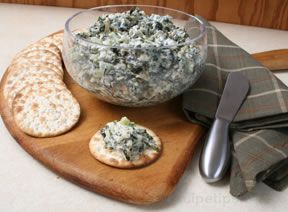
Types of Dips | Common Base Ingredients
Dips are most often prepared with a mixture of ingredients that complement other foods including raw vegetables, chips, crackers, or toast, which are dipped into the mixture; hence the name, dip.
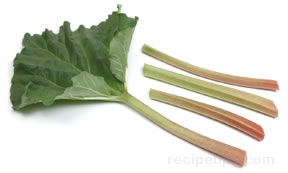
freezing rhubarb, cooking rhubarb, how to freeze
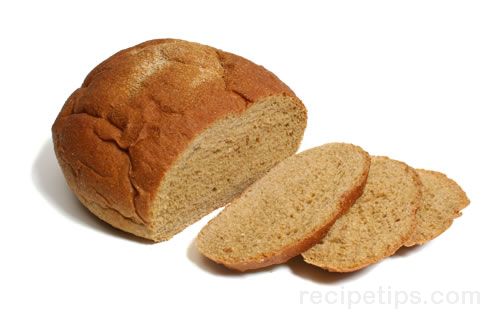
Enriched and/or Flavored Breads
Some basic yeast bread recipes are enhanced with other ingredients that change the characteristics of the bread including the texture, flavor, and color.
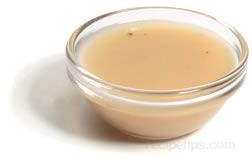
Flour Used as a Thickening Agent | Frying | Deep-Frying | Baking
Flour Used as a Thickening Agent
Flour is one of the most often used thickening agents when cooking foods such as sauces, gravies, soups, stews, and gumbos.
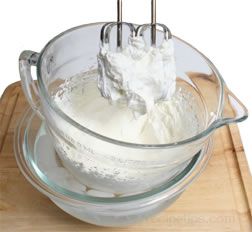
Types of Cream | Flavoring Whipped Cream | Preparing in Hot or Cold WeatherWhipping the Cream | Stabilizing Whipped Cream | Storing | Other Whipped Toppings
Whipping cream can be used for several purposes.
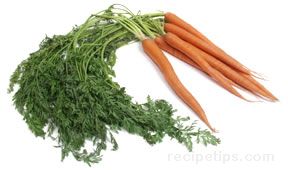
Carrot Preparation | Carrot Cooking | Tips
Carrots
A plant of the parsley family with feathery green leaves and an orange root that can be eaten raw or cooked.

Labeling requirements vary significantly from country to country. Specific information that is required to be on the label is governed by the local laws at the point of sale where the wine is marketed, rather than where it is produced.
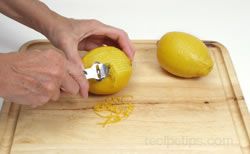
Creating Zest for Seasoning
Zest refers to the outer skin of citrus fruits such as oranges, lemons, and limes. The colored part of the skin contains natural oils that provide aroma and flavor.
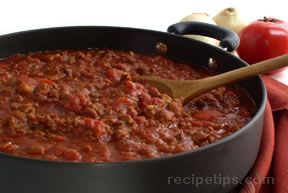
Kitchen Tips and Techniques: Chili | Preparing Basic Chili Ingredients | Storing Leftover Ingredients
Kitchen Tips and Techniques: Chili
Fully develop the flavor of homemade chili by browning the meat along with the spices and onions.
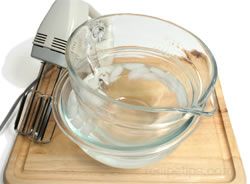
Ingredient Tips | Preparation TipsCooking & Baking Tips | Miscellaneous Tips
There are an endless number of kitchen tips available for you to try. Shown below are some popular tips that will help you in your everyday use of some common baking and cooking ingredients.
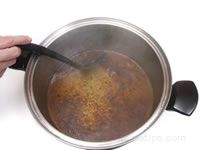
The reasoning behind cooking with wine is to intensify and enhance the flavor of food. Wine is known to release flavors in food that otherwise could not be experienced. The following are guidelines and tips particularly directed at the novice cook or a cook new to the world of cooking with wine.
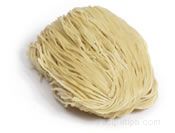
Asian Noodles
Asian noodles consist of strands that vary in shape, width, and length. Many Asian noodles are very long in length, symbolizing longevity. They can be thin straight sticks, flat strands, round strands, and wavy strands.
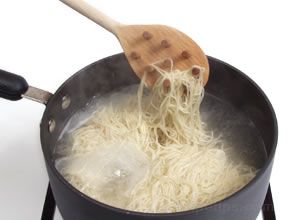
Noodles are fried to produce a crisp textured noodle. Frying can be accomplished by the use of two different methods, pan-frying and deep-frying. Both methods work on the principle of using hot oil to fry the noodles.
Shopping | Roasting | Grilling and Broiling | SautéingGeneral Safety and Handling | Ground Lamb Safety and Handling | Nutrition
Shopping
When shopping for lamb, select lean cuts and use low fat cooking methods such as roasting, broiling, grilling, braising, or stewing.
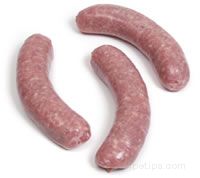
Turkey Sausages
Sausage made of turkey meat is much lower in fat than sausages made from other types of meat. Turkey sausages are flavored with numerous herbs and spices. Some varieties are smoked and others are not.
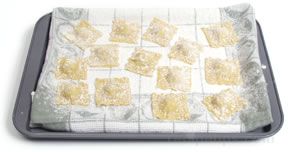
Contamination Prevention | Cooking Safety | Proper Storage
Contamination Prevention
Cleanliness: A clean working environment is essential in the prevention of contamination in working with pasta and other foods.
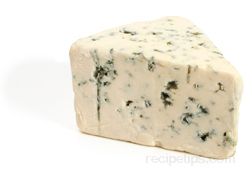
Cheeses of Sweden
Adelost Blue
Adelost Blue is a variety of blue cheese that is produced much like the well known Bleu d'Augverne cheese. It is a Swedish cheese that is made from cow's milk and is characterized by streaks of dull blue mold that run throughout the cheese.
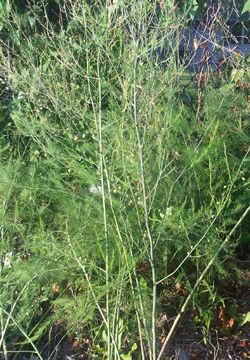
Buying, planting and growing fresh organic asparagus is not a task for only the greenest of green thumbs. With the right know how and start up, any level of gardener can be a successful asparagus grower.
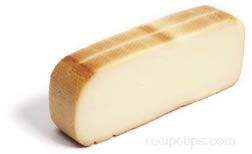
Cheeses of Germany and Austria
Allgauer Emmentaler
Allgauer Emmentaler is a German cow's milk cheese that is much like Swiss Emmental. It is characterized by large holes throughout the cheese and a texture that is somewhat hard.
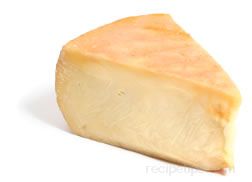
Cheeses of Belgium
Chimay
This cheese gets its name from the town in Belgium where it originated. It is produced under the historic guidance of the monks who originally produced cheeses within their Trappist monastery and community.
Top 250 articles found
Displaying 141-160 | << Prev 20 | Next 20 >>


Advertisement
Advertisement