
Loading
Search
We hope you found what you are searching for. If not, contact us and let us know what your want. We will do the work for you and get back to you when we're done.
variety meats - Knowledge Search
Top 152 articles found
Displaying 81-100 | << Prev 20 | Next 20 >>
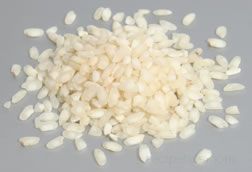
Cooking Techniques | Match the Type of Rice with the Proper Cooking Method
Cooking Techniques
The three basic techniques for cooking rice with hot liquid are boiling, absorption, and steaming, which are perhaps the most popular methods for cooking all whole grains.
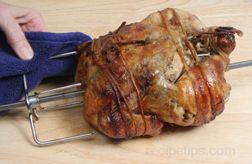
Rotisserie Cooking Units | Rotisserie Chicken PreparationRotisserie Cooking the Chicken | Carving Rotisserie Chicken
Rotisserie cooking is a great method to use for preparing chicken.
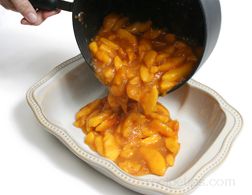
Also, see How to Make:Apple Crisp | Apple Crumble | Blueberry BuckleApple Pandowdy | Apple Brown Betty | Blueberry Grunt | Peach Slump
Peach Cobbler
A cobbler is a type of deep-dish fruit dessert with a thick biscuit or pie dough crust that is prepared and then served warmed to guests.
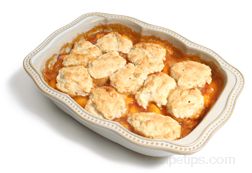
Peach Cobbler | Apple Crisp | Apple Crumble | Blueberry BuckleApple Pandowdy | Apple Brown Betty | Blueberry Grunt | Peach Slump
Peach cobbler and apple crisp are just two of the many great fruit desserts that are similar to each other in that they are basically a layer of fruit baked with a layer of dough either under or on top of them.

Food Related Allergies | Food Related Intolerances | Food Labeling
Food Related Allergies
Allergic reactions in humans are initiated by the immune system through an endless number of stimuli including bee stings, vinyl, metals, dust, cosmetics, medicines, and so on.
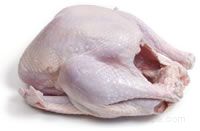
Classification Criteria | Classes of Turkey | Types of Turkey
Classification Criteria
Turkey (as well as all other poultry) is described and classified using a number of different criteria, which are described below.
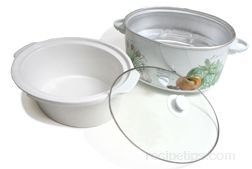
crock pot, slow cooking
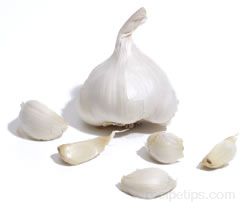
Garlic Yield | Garlic Preparation | Garlic Cooking | Tips
Garlic
A bulbous plant consisting of single head containing smaller bulbs or cloves individually wrapped in papery skins, which are all wrapped tightly together with another layer of dry papery skin, forming the bulb head.
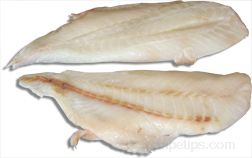
Contamination Prevention | Cooking Safety | Proper StorageConsumption Safety
When working with fish it is essential that proper handling and storage are used to reduce the risk of food-borne illness and ensure a quality product.

Cooking Times | Baking Fish | Pan-frying Fish | Deep-Frying FishGrilling & Broiling Fish | Doneness | Cooking Tips
Fish can be prepared using almost any type of cooking method including baking, steaming, frying, grilling, broiling, or slow cooking.
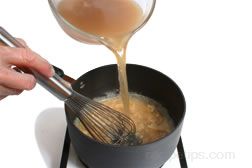
Useful Tools | Making Gravy | Tips
There are many recipes available for making gravy but you will find that most use the turkey drippings, browned pieces from the bottom of the roasting pan, and a small amount of fat to give it great flavor and color.
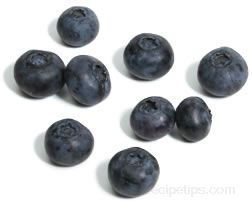
Food Irradiation | Misconceptions Concerning Irradiated Food
Food Irradiation
With increased awareness of possible serious illness caused by contaminated food, the food industry is constantly researching new methods for protecting our food supply.
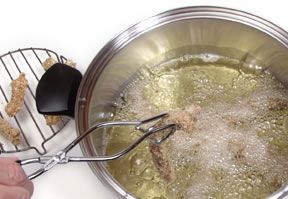
Purchasing Tips | Cooking Tips | Cooking Oil Care | Olive Oil Tasting
Oils and Fats Purchasing Tips
Purchasing Tips
A product labeled "whipped butter" is regular butter that has had air beaten into it in order to increase the volume and to make it easier to spread.
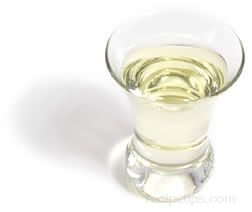
Storage of Liquid Fats | Storage of Solid FatsDeep-Frying Safety Tips | Olive Oil Handling/Safety/Storage
Guidelines for Storage of Liquid Fats
General Guidelines
Air, heat, light, and age affect the quality and the shelf life of many types of edible oils, which deteriorate through oxidation (rancidity).
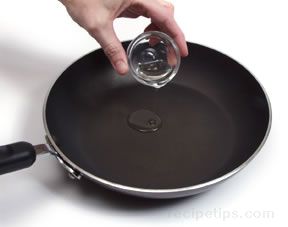
Sautéing | Pan-Frying | Stir-Frying | Deep-Frying | Grilling and BroilingBaking with Olive Oil | Smoke Point | Cooking Guidelines
Sautéing
Sautéing is a cooking process using high heat that browns and sears food quickly in a small quantity of oil or fat in a skillet.
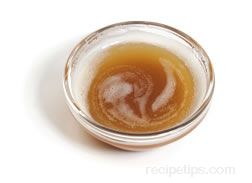
Most of the edible fats described below are solid or semisolid at room temperature and most are from animal sources. A small number of plant fats are also naturally solid or semisolid at room temperature.
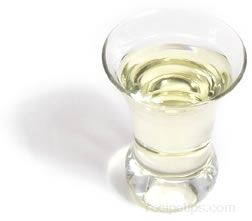
Oil Extraction Methods | Types of Edible Liquid FatsOlive Oil Basics | Types of Olive Oil
Oil Extraction Methods
There are numerous edible oils obtained from plant sources that are used for hundreds of culinary, pharmaceutical, and cosmetic products.
Measuring | Mixing, Rising, and KneadingAdditional Tools for Preparation | Baking | Serving
Most of the kitchen tools and devices necessary for bread making are simple items that are found in most home kitchens: measuring cups and spoons, a large bowl (preferably glass), a large spoon (preferably wood), a work surface, a dish towel, a sharp knife, and a baking sheet.
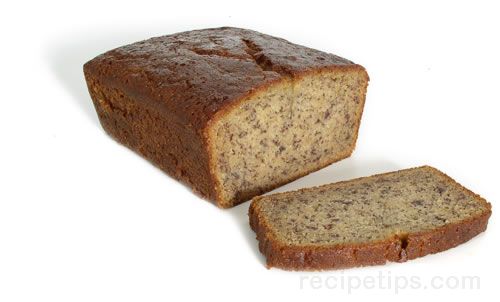
Quick Breads
Quick bread refers to breads that require minimal preparation time, are made from batter more often than from dough, and are leavened with chemical agents, such as baking soda or baking powder, instead of yeast or natural starters.
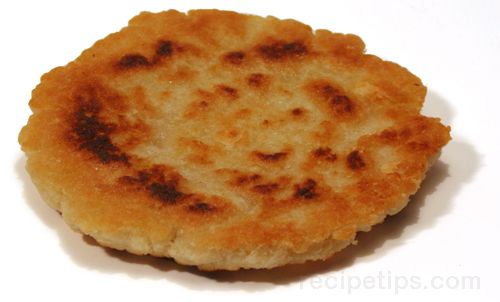
Flat Breads
Flat breads are made from both leavened and unleavened doughs. Both types have a general flat shape, although leavened flat breads are generally a bit taller and have a softer texture than unleavened flat breads.
Top 152 articles found
Displaying 81-100 | << Prev 20 | Next 20 >>


Advertisement
Advertisement