
Loading
Search
We hope you found what you are searching for. If not, contact us and let us know what your want. We will do the work for you and get back to you when we're done.
savory stuffing - Knowledge Search
Top 22 articles found
Displaying 1-20 | Next 2 >>
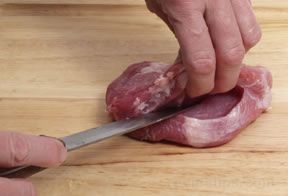
Stuffing can be used in crown roasts, extra thick chops or steaks, rolled roasts or rolled into flattened tenderloin. The stuffing can be made from a simple bread base or a wild rice mixture, with ingredients such as onions, garlic, lemon, herbs, and spices added for extra flavor.
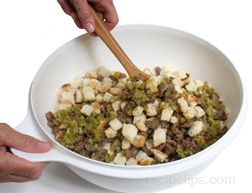
How to Make Stuffing
Ingredients | Prepare | Cooking | Other Meats | Safety | Tips
Stuffing is a side dish commonly associated with turkey and Thanksgiving but it can also be enjoyed throughout the year and with many types of meat.
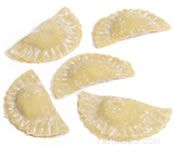
Stuffed pasta consists of fresh pasta sheets that are stuffed with a filling. After the filling has been added, the pasta sheets are folded over and sealed, or another sheet is placed on top and the edges are sealed.

Stuffing can be made from many different ingredients, such as simple herbs, vegetables and fruit, but can also be made from more complex bread based or grain based (grains, such as rice, barley and kasha that are cooked until tender) recipes.
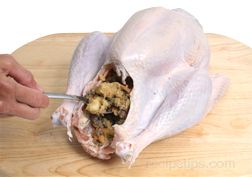
Today's trend is to cook stuffing separately from turkey, the reason being safety and speed. Stuffing must reach a temperature of 165º F to kill harmful bacteria. By the time enough heat has reached the stuffing to render it safe, the turkey can be overcooked.
For the best results, the stuffing should be prepared immediately before the turkey will be stuffed, and the turkey should be stuffed immediately before it is ready to go into the oven.
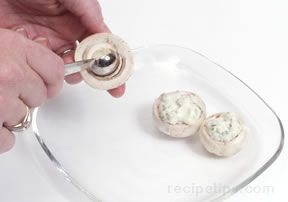
Stuffed Mushrooms
Slice off the stem of a whole, clean, mushroom. With a small teaspoon (1/8 or 1/4 teaspoon), or small melon baller, scoop out the inside of the mushroom. Fill with prepared stuffing or favorite dip.
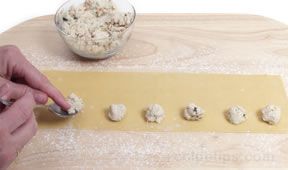
When making stuffed pasta, the pasta dough should be rolled thinner than when making other pasta because the stuffed pasta requires two layers. Using thinner layers will prevent the edges of the stuffed pasta from becoming too thick.
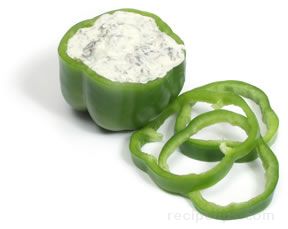
Begin by cutting a circle around the stem of the pepper.
Carefully pull out the stem and ribs.
Remove the remaining ribs by scraping with a spoon.
Wash the pepper in cold running water to remove any remaining seeds.
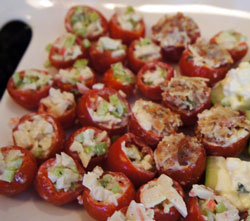
Slice off the top of the tomato. With a small teaspoon (1/8 or 1/4 teaspoon), or small melon baller, scoop out the inside of the tomato.
Fill with prepared stuffing or favorite dip.
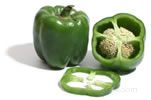
Sweet Peppers | Chile Peppers |Pepper Preparation | Pepper Cooking | Tips
Sweet Peppers
A sweet pepper is a mild to sweet flavored pepper that can be eaten raw or cooked.
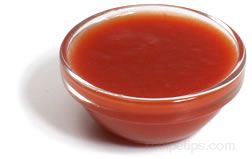
Italian Pasta Sauces | Other Types of Italian Sauces
Italian Pasta Sauces
The pasta sauces of Italy are made from any of a variety of savory toppings and mixtures of ingredients that enhance the flavor of the pasta dish being served.
England | Spain | Greece | Other Countries and Regions
England
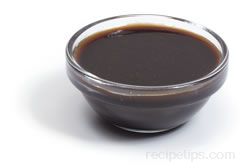
Worcestershire Sauce
A popular condiment that has a savory flavor and is used to season a wide variety of dishes.
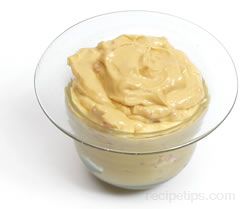
Cheeses of Mexico and the Caribbean: Queso to Requeson
Queso
Queso is the Spanish word for cheese. In the United States, the word is commonly used as a name for a type of Mexican cheese dip, as well as for numerous varieties of Mexican cheese.
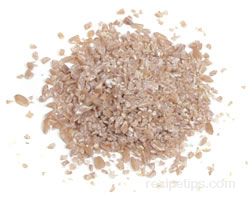
Described below are some of the products (including flour) created directly from wheat. Other than a few exceptions, products that are created after the grain has been milled into flour are not described, because they are so numerous.
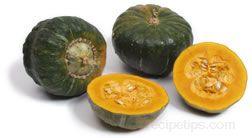
Winter Squash Preparation | Winter Squash Cooking | Tips
Winter Squash
Squash: The fruits of various members of the gourd family, which fall into two classifications, summer squash and winter squash.
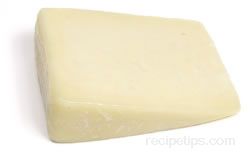
Cheeses of Italy: Asiago to Crucolo
Asiago
A type of Italian cheese made from cow's milk. It has a hard texture and a nutty flavor. Like Parmigiano cheese, it is produced in the shape of a wheel.
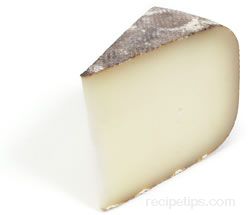
Cheeses of France: Abbaye de Bellocq to Butte
Abbaye de Bellocq
A sheep's milk cheese from the Basque region of France. It is made in the Benedictine Monastery, Abbaye de Notre Dame de Bellocq.
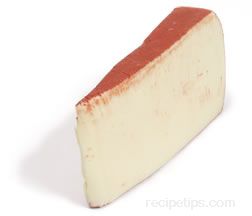
Cheeses of Italy: Farmhouse to Mozzarella
Farmhouse
A term commonly applied to any of the different types of European cheeses that are made by traditional cheese making methods and are produced from the raw milk of animals, such as cows, goats, and sheep that are raised on small regional farms, mountain chalet farms, or mountain huts.
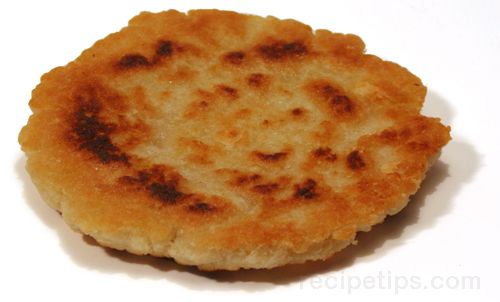
Flat Breads
Flat breads are made from both leavened and unleavened doughs. Both types have a general flat shape, although leavened flat breads are generally a bit taller and have a softer texture than unleavened flat breads.
Top 22 articles found
Displaying 1-20 | Next 2 >>


Advertisement
Advertisement