
Loading
Search
We hope you found what you are searching for. If not, contact us and let us know what your want. We will do the work for you and get back to you when we're done.
grain preparation guide - Knowledge Search
Top 36 articles found
Displaying 1-20 | Next 16 >>
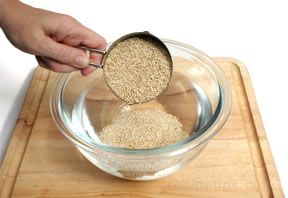
Cleaning/Rinsing Grain | Soaking Grain | Toasting Grain
Preparation of whole grains before cooking is fairly simple: most require only washing or soaking before they can be cooked.
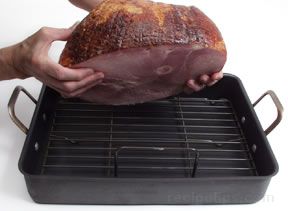
Some tasks to be aware of when preparing and baking a ham: thawing the ham properly, keeping a clean working area, and preparation for the cooking method being used. Most hams are prepared in the same basic manner for many of the ham recipes you will use.
crock pot, slow cooking
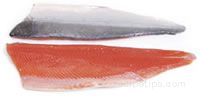
Thawing Fish | Salmon Preparation | Tips
Thawing Fish
Frozen fish can be cooked without thawing but the cooking time would need to be increased to cook it thoroughly. If the fish is going to be breaded, stuffed, broiled, fried or cooked in the microwave, it should be thawed completely first.
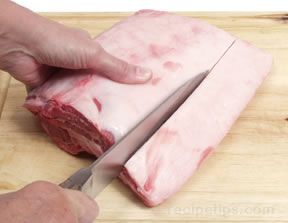
Thawing | Preparing a Rack of Lamb | Preparing a Crown RoastPreparing a Guard of Honor | Boning and Butterflying a Leg of Lamb | Grinding
Thawing
Lamb that has been frozen should never be defrosted at room temperature because harmful bacteria may grow rapidly under such conditions.
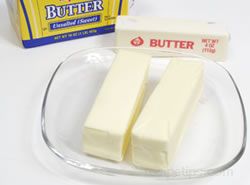
Clarified Butter | Brown Butter | Homemade Butter
Clarified Butter
Melting whole butter and removing the milk solids and water, produces clarified butter. It is a rich golden fat that is also referred to as drawn butter.
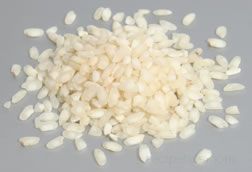
Classifications of RiceShort-grain Rice Varieties | Medium-grain Rice Varieties | Long-grain Rice Varieties
Some grains, such as rice, are available in many different types and varieties.
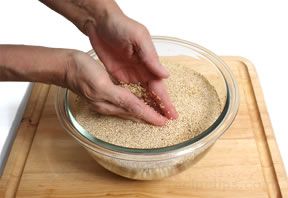
Grinding or milling various types of flour in the home can be accomplished with only a few basic tools. Some tools make the job easier and some types of flour are easier to create depending on the type of grain or other substance that is used.

Tips on Making Homemade Pasta
Strengthen your homemade pasta dough by substituting ½ cup or less of semolina flour in place of an equal amount of all-purpose flour.
If the pasta becomes sticky at any point while working with the dough, dust it lightly with flour.
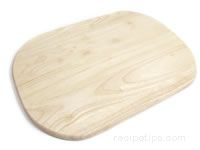
The equipment needed to make fresh homemade pasta consists of fairly basic items. At a minimum you will need a work surface, measuring cups and spoons, rolling pin, knife, and your hands for mixing and kneading.
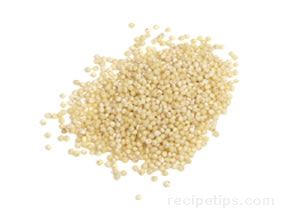
Baking Millet | Baking Oats | Baking Rice | Baking Wild Rice
Many grains can be cooked using the baking method, which is a dry heat cooking process that surrounds food with heat in an enclosed oven.
Stuffing can be made from many different ingredients, such as simple herbs, vegetables and fruit, but can also be made from more complex bread based or grain based (grains, such as rice, barley and kasha that are cooked until tender) recipes.
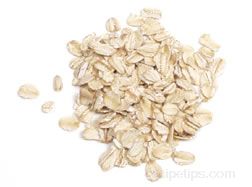
Microwaving Oatmeal | Microwaving Rice | Microwaving Rye
One of the most efficient and convenient methods for cooking grains is with the use of a microwave oven. The overall results can be very good if the grain is properly cooked in the microwave.
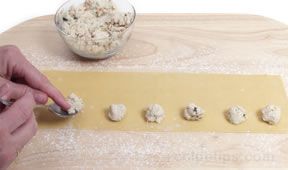
When making stuffed pasta, the pasta dough should be rolled thinner than when making other pasta because the stuffed pasta requires two layers. Using thinner layers will prevent the edges of the stuffed pasta from becoming too thick.
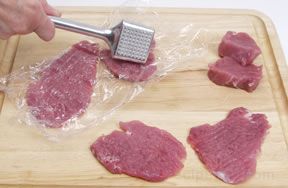
Pounding
Pounding of meat is performed for various purposes. Meat is pounded to tenderize, to even out the thickness of some cuts so that they cook more evenly, and to form cutlets.
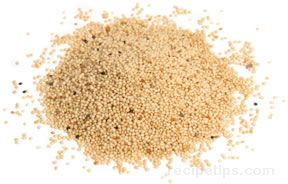
Amaranth | Corn | Millet
Frying is a dry heat cooking method that generally requires the use of a heavy-bottomed skillet and a small quantity of oil or fat to cook the food and prevent it from sticking to the pan.
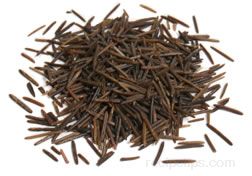
Hot Liquid Cooking Techniques for Grain | Cooking Wild Rice
The three basic techniques for cooking wild rice with hot liquid are boiling, absorption, and steaming, which are perhaps the most popular methods for cooking most whole grains.
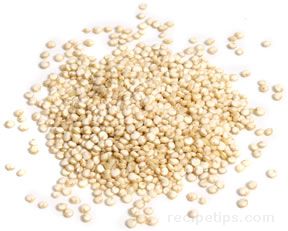
Hot Liquid Cooking Techniques for Grain | Cooking Quinoa
The three basic techniques for cooking quinoa with hot liquid are boiling, absorption, and steaming, which are perhaps the most popular methods for cooking most whole grains.
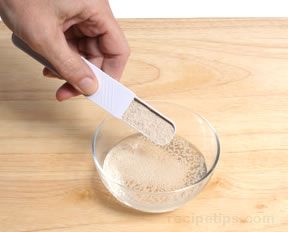
Risen breads rely on a means of producing carbon dioxide gas that becomes trapped in the batter or dough causing the dough to rise. The carbon dioxide gas is produced either as a byproduct of fermentation or through the use of chemical agents.
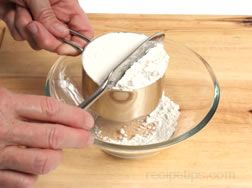
Measuring Dry Ingredients | Weight Versus VolumeMeasuring Solid Fats | Measuring Liquid Ingredients
When making bread, it is critical to use precise measurements. Unlike general cooking in which precise measurements are often not as critical, inaccurate measurements in bread making (and most baked items) affect the chemical processes that occur during the preparation and baking.
Top 36 articles found
Displaying 1-20 | Next 16 >>


Advertisement
Advertisement