
Loading
Search
We hope you found what you are searching for. If not, contact us and let us know what your want. We will do the work for you and get back to you when we're done.
roast beef cook time - Knowledge Search
Top 54 articles found
Displaying 1-20 | Next 20 >>
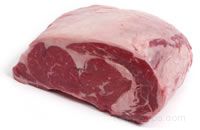
The proper beef roast cook times and the correct beef cooking oven temperatures are extremely important. The optimum flavor and tenderness of various beef roasts can be consistently achieved when care is taken to follow the recommended time and temperature guidelines for cooking beef roasts.
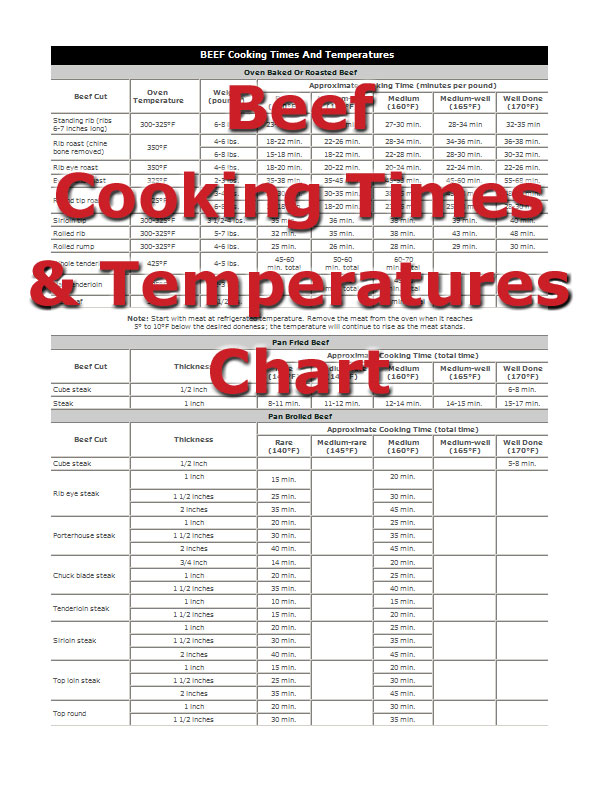
The proper beef cooking times and the correct beef cooking temperatures are extremely important. The optimum flavor and tenderness of various cuts of beef can be consistently achieved when care is taken to follow the recommended time and temperature guidelines for cooking beef.
When roasting beef it is important to select the proper cut of roast beef to produce moist and tender meat when the roast beef is cooked to the desired doneness. Using the proper beef cooking times and temperatures is critical to the end results.
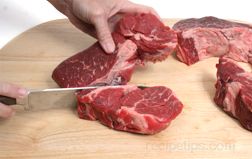
crock pot, slow cooker, slow cooking

crock pot, slow cooking
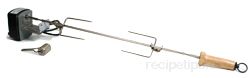
General Guidelines | Charcoal Grill | Gas Grill | Doneness
Rotisserie cooking requires three key components: The spit assembly, a means to turn the spit, and a heat source for cooking.
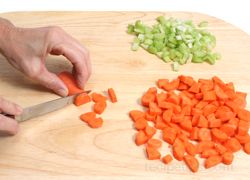
crock pot, slow cooker, slow cooking
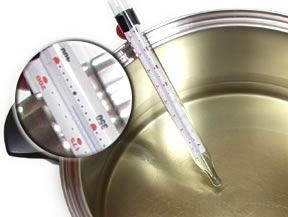
Cooking Times | Baking Fish | Pan-frying Fish | Deep-Frying FishGrilling & Broiling Fish | Doneness | Cooking Tips
Fish can be prepared using almost any type of cooking method including baking, steaming, frying, grilling, broiling, or slow cooking.
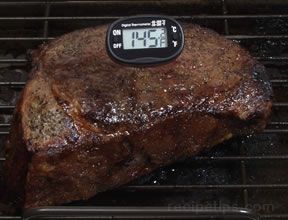
General Guidelines | Degree of Doneness | Meat Thermometers
General Guidelines
Even though harmful bacteria are usually only on the surface of whole beef cuts, there is growing concern that bacteria may be present in the internal portions of the meat as well, which is why it is now recommended that whole beef cuts be cooked to an internal temperature of not less than 145°F.
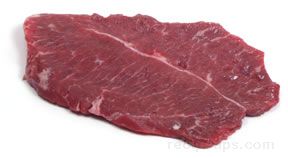
One of the quickest and most convenient methods for cooking beef is with the use of a microwave oven. Although the flavor and tenderness of the beef may not be as pronounced as with other cooking methods, the overall results can be very good if the meat is microwaved properly.

The poaching process cooks beef with the use of simmering liquid in a covered pan. The liquid is brought to a boil, the beef is placed in the boiling liquid, the heat is reduced so that the liquid is at a gentle simmer, and the pan is covered.
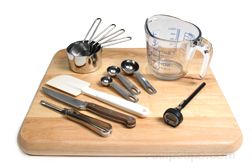
crock pot, slow cooking
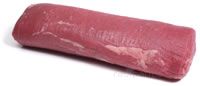
Rotisserie Grilling Beef | Doneness
For general guidelines on rotisserie grilling, see Rotisserie Grilling Basics.
Rotisserie Grilling Beef
There are two methods of cooking beef using a rotisserie: direct heat cooking and indirect heat cooking.
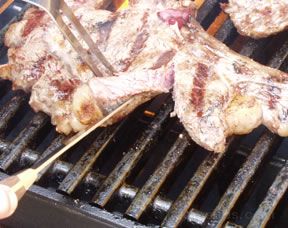
The high heat of grilling sears the surface of beef, creating tender meat with a flavorful crust. The required cooking temperature and the method of grilling (direct, indirect, or a combination) depends on the cut of beef and the quality of the meat.
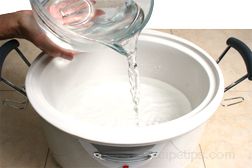
crock pot, slow cooker
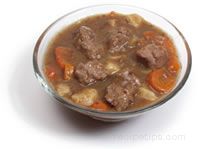
Stewing is a moist heat cooking process much like braising except that the meat is totally immersed in liquid rather than being only partially immersed as it is with braising.

Deep-frying, also known as deep-fat frying, is a process of immersing food in a deep pot containing heated oil, which cooks the food quickly, producing a crispy surface over a tender and moist interior.
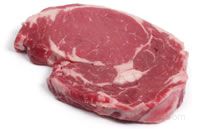
Oven-Broiling | Pan-Broiling
Broiling is much like grilling in that food is cooked directly with high heat. The difference between broiling and grilling is that broiling is usually done in an oven and the heat source is above the food (except when pan-broiling) whereas grilling is done on equipment that is generally used outdoors and the heat source is below the food.
People often use the terms barbecuing and grilling interchangeably, but they are two completely different cooking processes. While grilling refers to food that is cooked directly over high heat, barbecuing refers to foods that are cooked with a long, slow process using indirect, low-heat generated by smoldering logs or wood chips that smoke-cook the food.
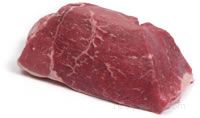
Beef cuts should be selected according to the planned method of cooking. For example, if beef is to be cooked on a grill, a tougher cut from the round or plate should not be purchased, unless the intention is to tenderize the meat before cooking it.
Top 54 articles found
Displaying 1-20 | Next 20 >>


Advertisement
Advertisement