
Loading
Search
We hope you found what you are searching for. If not, contact us and let us know what your want. We will do the work for you and get back to you when we're done.
ribbon pasta noodles - Knowledge Search
Top 27 articles found
Displaying 1-20 | Next 7 >>
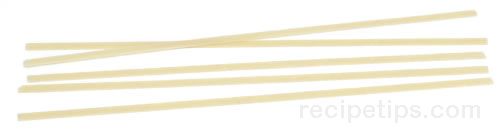
Ribbon pasta, which is flat strands of pasta, is available in different lengths, widths and thickness. Some are short and wide, while others are long and narrow. Ribbon pasta can have straight or wavy edges and many varieties are available fresh and dried.
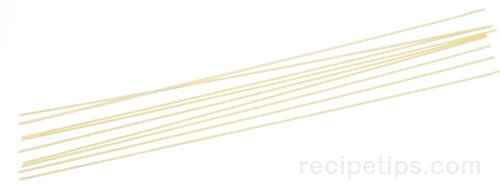
Pasta strands are long rods of pasta, which are generally round, but they are available in a square rod also. The basic difference from one variety to the next is the thickness of the strands.
Basic Types | Flavors and Colors | Pasta Shapes | Pasta Sauces
Pasta is a basic staple ingredient used in cooking. It is available in hundreds of shapes worldwide and in many different flavors.
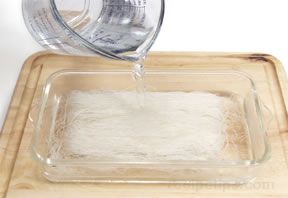
Asian noodles, like pasta noodles, are available in round, flat and square shapes, and in various widths and lengths. Most often Asian noodles are purchased, rather than made by hand.
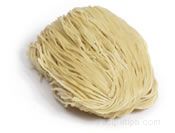
Asian Noodles
Asian noodles consist of strands that vary in shape, width, and length. Many Asian noodles are very long in length, symbolizing longevity. They can be thin straight sticks, flat strands, round strands, and wavy strands.
There are a large variety of pasta shapes and noodles available. When selecting the variety of pasta you are going to purchase, you must consider the size and shape of the pasta and which varieties will go best with the sauce or dish you are preparing.
Plain pasta and pasta dishes can be reheated in the oven, microwave or on the stovetop. The method that works best depends on the quantity and type of pasta or pasta dish you are reheating.
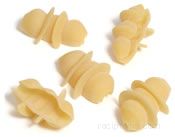
There are numerous pasta products available, consisting of dried and fresh pasta. Some products are available both in a dried and fresh form but there are many more dried products than fresh.
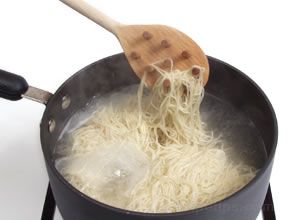
Noodles are fried to produce a crisp textured noodle. Frying can be accomplished by the use of two different methods, pan-frying and deep-frying. Both methods work on the principle of using hot oil to fry the noodles.
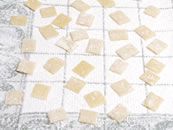
Pasta is allowed to dry to varying degrees for different purposes. The amount of drying time varies according to the type of pasta, drying conditions and the drying method used.
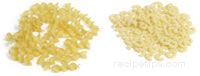
When shopping for pasta there are several details that you need to consider to be assured of purchasing the quantity, quality and type of pasta or pasta ingredients to satisfy your needs.
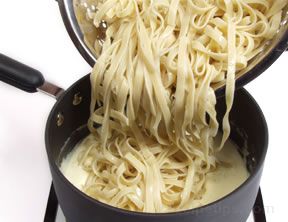
Most pastas have a similar flavor but when the sauce is added, the pasta and sauce create their own unique flavor. There are many types of sauces that can be used but some go better with certain types of pasta than others.
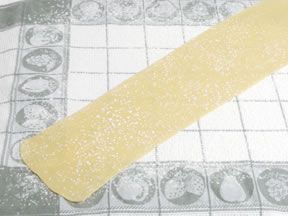
Homemade pasta can be cut into shapes and different width noodles by the use of different types of pasta machines. The pasta shapes and noodles are cut by the use of different dies and cutting rollers on the pasta machines.
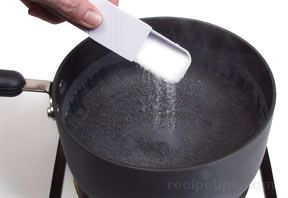
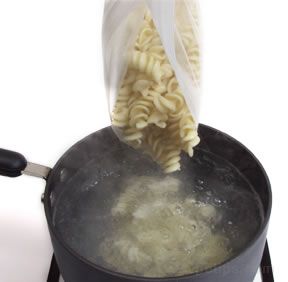
Boiling is the method most often used for cooking pasta. It is also used in conjunction with some of the other cooking methods, such as stir-frying and baking. When boiling pasta it is important to use a sufficient amount of water, generally a quart of water per 4 ounces of pasta is satisfactory.

Shopping Tips | Homemade Pasta Tips | Reheating Tips | Handling and Safety TipsChecking Doneness | Light Tips | Cooking Tips
Shopping Tips:
When purchasing fresh pasta, it is important that you check for the expiration date to ensure that the pasta will be fresh when you are ready to use it.
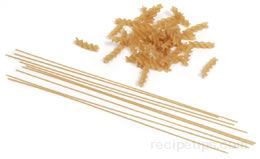
Pasta was once considered to be fattening and have very little nutritional value. Nutritional experts now realize the value of pasta in our diet. Grain based foods, such as pasta, are a good source of fiber and complex carbohydrates.
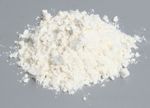
When making homemade pasta you will need to decide what type of flour you want to use. If making a flavored pasta that requires something other than a different variety of flour, you will need to purchase the necessary flavoring agent.
Tips on Making Homemade Pasta
Strengthen your homemade pasta dough by substituting ½ cup or less of semolina flour in place of an equal amount of all-purpose flour.
If the pasta becomes sticky at any point while working with the dough, dust it lightly with flour.
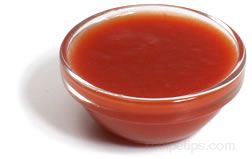
Italian Pasta Sauces | Other Types of Italian Sauces
Italian Pasta Sauces
The pasta sauces of Italy are made from any of a variety of savory toppings and mixtures of ingredients that enhance the flavor of the pasta dish being served.
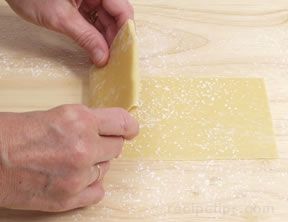
Homemade pasta can be cut into many shapes and sizes but the options
are limited in comparison to factory made dried pastas. Some shapes and
sizes can be cut by hand but many must be formed by the use of a machine
and special cutting rollers and dies.
Top 27 articles found
Displaying 1-20 | Next 7 >>


Advertisement
Advertisement