
Loading
Search
We hope you found what you are searching for. If not, contact us and let us know what your want. We will do the work for you and get back to you when we're done.
low carbohydrate - Knowledge Search
Top 21 articles found
Displaying 1-20 | Next 1 >>

Simple and Complex Carbohydrates | Other Terms Used to Describe CarbohydratesRevolutionary Thinking | Good Carbs, Bad Carbs
Carbohydrates are a broad category of foods that eventually convert to glucose in the body.
Carbohydrates and the Body | The Insulin Factor | The High Protein Factor
The market is inundated with low-carb lifestyle programs. Though each program is different in their approach, they are united in one basic principal: By controlling your daily intake of starchy carbohydrates and replacing them with high protein foods you will lose weight, feel satisfied, and create a healthy new lifestyle.
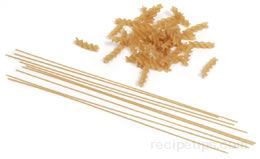
Pasta was once considered to be fattening and have very little nutritional value. Nutritional experts now realize the value of pasta in our diet. Grain based foods, such as pasta, are a good source of fiber and complex carbohydrates.
The market is inundated with low carb lifestyle programs. Though each program is different in their approach, they are united in one basic principal: By controlling your daily intake of starchy carbohydrates and replacing them with high protein foods you will lose weight, feel satisfied, and create a healthy new lifestyle.
During digestion, the body breaks down the carbohydrates in the food we eat into glucose and then releases the glucose into the bloodstream. Body tissues, such as the brain, use glucose as a vital energy source.
Although dietary fiber is a carbohydrate, it cannot be fully digested and does not convert into glucose; therefore, it does not raise the blood sugar level when consumed. Dietary fiber slows the entry of glucose into the blood stream, reducing spikes in blood sugar levels.
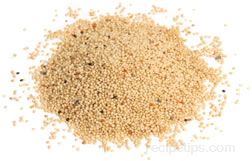
General Nutritional Facts of Grains | Specific Nutritional Facts of Individual Grains
General Nutritional Facts of Grains
Grains are composed primarily of carbohydrates, but the quantity varies according to the type of grain.
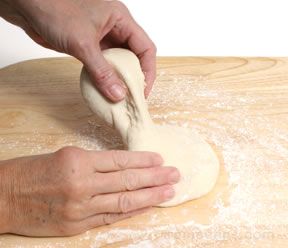
Nutritional Advantages | All About Gluten
Nutritional Advantages of Various Types of Flour
Most types of flour are composed mainly of carbohydrates, but the quantity varies according to the type of substance used to create the flour.
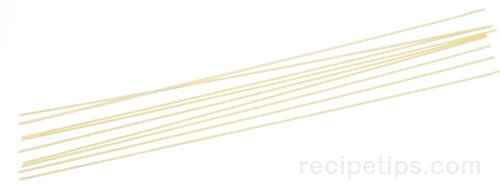
Pasta strands are long rods of pasta, which are generally round, but they are available in a square rod also. The basic difference from one variety to the next is the thickness of the strands.
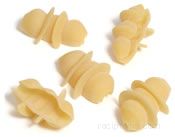
There are numerous pasta products available, consisting of dried and fresh pasta. Some products are available both in a dried and fresh form but there are many more dried products than fresh.
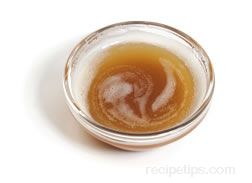
Most of the edible fats described below are solid or semisolid at room temperature and most are from animal sources. A small number of plant fats are also naturally solid or semisolid at room temperature.
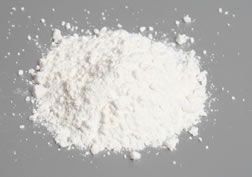
Types of Non-Wheat Flour Ground from Tubers
Arrowroot
The fleshy round tubers of the arrowroot plant produce an edible starch after processing, which is then ground into a fine powder.
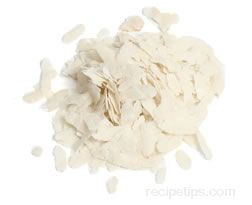
Described below are some of the products (including flour) created directly from rice. Other than a few exceptions, products that are created after the grain has been ground into flour are not described, because they are so numerous.
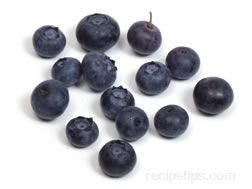
Blueberries
A small, round, dark blue skinned berry native to North America. They are grown mostly in Northern United States and Canada. Some can be found grown in Northern Europe and Australia.
Miscellaneous Products
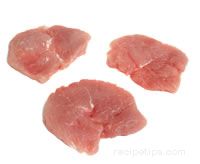
Pork Cutlets (Scallops)
Cutlets are thin boneless pieces of meat that weigh 4 ounces or less and are taken from tender cuts, such as the tenderloin and loin.
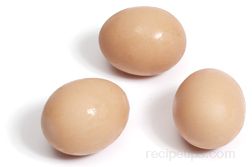
Eggs and Cholesterol | Health Benefits of Eggs | Nutrients in Chicken EggsNutrients in Other Types of Eggs | Comparing Different Types of Eggs
Eggs and Cholesterol
The average large chicken egg has about 213 milligrams of cholesterol, which is all contained within the yolk.
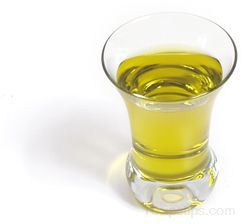
Types of Fat Structures | Fat Composition of Oils and Solid FatsThe Controversy over Coconut Oil | Olive Oil Nutritional Facts
Types of Fat Structures
All edible oils and solid fats are 100% fat, but the components that make up the fat structure of a particular edible fat are important in determining whether or not it is considered healthy.
Top 21 articles found
Displaying 1-20 | Next 1 >>


Advertisement
Advertisement