
Loading
Search
We hope you found what you are searching for. If not, contact us and let us know what your want. We will do the work for you and get back to you when we're done.
oil can - Knowledge Search
Top 250 articles found
Displaying 141-160 | << Prev 20 | Next 20 >>
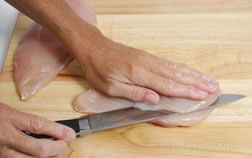
How to Make Cutlets / Paillards
Cutlets are boneless cuts of meat or poultry that have been sliced very thin or that have been pounded very thin. Cutlets are sometimes referred to as paillards.
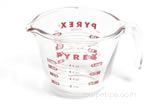
Measuring | Mixing, Rising, and KneadingAdditional Tools for Preparation | Baking | Serving
Most of the kitchen tools and devices necessary for bread making are simple items that are found in most home kitchens: measuring cups and spoons, a large bowl (preferably glass), a large spoon (preferably wood), a work surface, a dish towel, a sharp knife, and a baking sheet.
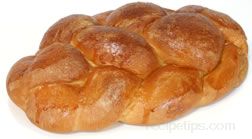
Festival Breads
Traditionally, festival breads were prepared to denote a special observance of religious or national importance. Some breads were made only once a year, while others were baked weekly, however many of the once-a-year breads are now being offered year round by a greater number of commercial bakers.
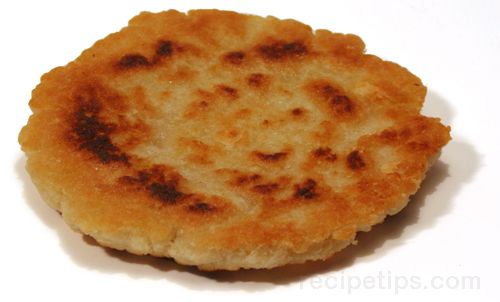
Flat Breads
Flat breads are made from both leavened and unleavened doughs. Both types have a general flat shape, although leavened flat breads are generally a bit taller and have a softer texture than unleavened flat breads.
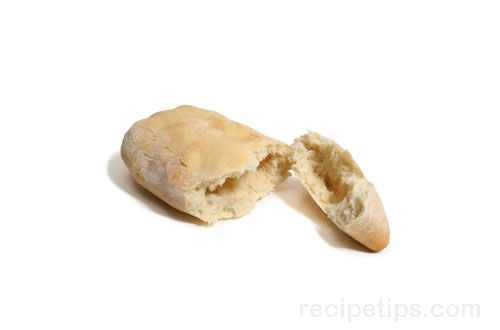
Using a starter is, perhaps, the oldest method for preparing leavened breads. Many basic bread varieties use a starter as the leavening agent. Although it can be a lengthy process, using a starter greatly contributes to the flavor and texture of the bread.
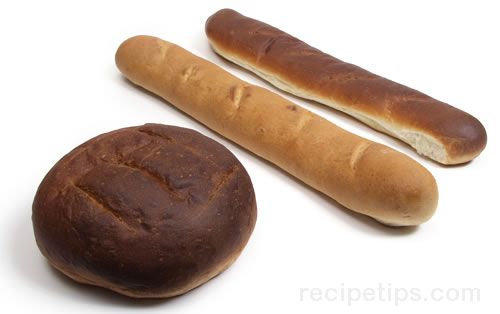
Basic breads are those that are made with a simple recipe of a few ingredients, are yeast leavened, and are usually easy for the home cook to prepare, requiring only basic bread making skills and simple pieces of kitchen equipment.
Glazing and/or topping are often the final steps in bread making prior to baking the bread. Although glazes and toppings are often optional ingredients, they do add a boost of flavor and enhance the appearance of the bread.
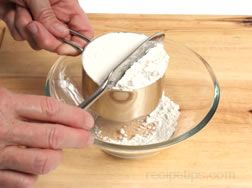
Measuring Dry Ingredients | Weight Versus VolumeMeasuring Solid Fats | Measuring Liquid Ingredients
When making bread, it is critical to use precise measurements. Unlike general cooking in which precise measurements are often not as critical, inaccurate measurements in bread making (and most baked items) affect the chemical processes that occur during the preparation and baking.
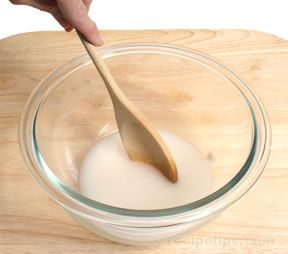
Bread Making Demonstration:Flat Bread
Pita Bread
Pita bread is a type of versatile flat bread that is soft and slightly chewy and often features a pocket inside, which is a result of baking the bread in a hot oven.
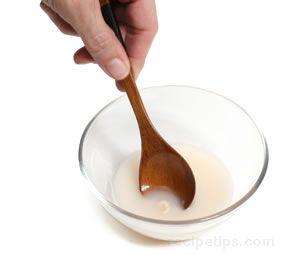
Bread Making Demonstration:Bread Using a Starter
Ciabatta
Ciabatta is typically identified by its shape, which is that of a worn or flattened slipper, and thus the meaning of the word "ciabatta" in Italian.

Selecting a Date | Choosing a Setting | Party Themes | InvitationsMenu and Serving Ideas | Decorations | More Ideas | Graduation Recipes
Graduation Day. The day every teenager has been waiting for since they started high school.
Construction | Handles | Blade Material | Cutting Edges | Knife VarietiesChoosing the Right Knife | Maintaining and Storing | Sharpening
To choose a knife that is of good quality and best fits your needs, you need a basic knowledge of the various parts and construction of a knife.

Types of Popcorn Seasonings and Toppings | Popcorn Seasonings and Toppings Recipes
With a little imagination, you can create a popcorn bar that is sure to please all of your guests.
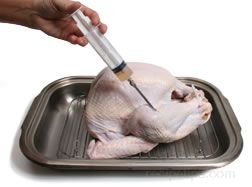
Flavor injecting turkey not only adds flavor to the meat but also results in a moist and juicy bird. The flavoring is injected into the meat of the turkey as opposed to rubs that only season the skin.
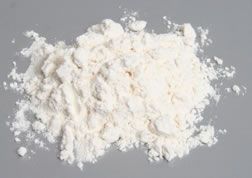
Most types of flour keep well in a sealed container in a cool, dry, and dark location. The original paper packaging used for many types of flour is fine for long term storage as long as the package has not been opened.
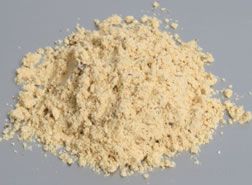
Types of Non-Wheat Flour Ground from Legumes
Garbanzo Bean Flour
Garbanzo bean flour is a variety of flour that is most often used in East Indian and Middle Eastern cooking.
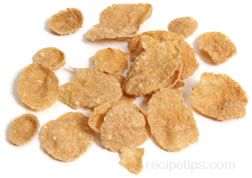
Described below are some of the products (including flour) created directly from various grains. Other than a few exceptions, products that are created after the grain has been ground into flour are not described, because they are so numerous.
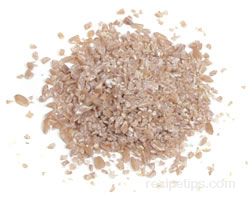
Described below are some of the products (including flour) created directly from wheat. Other than a few exceptions, products that are created after the grain has been milled into flour are not described, because they are so numerous.
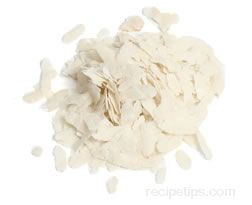
Described below are some of the products (including flour) created directly from rice. Other than a few exceptions, products that are created after the grain has been ground into flour are not described, because they are so numerous.
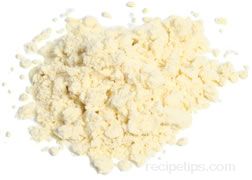
Described below are some of the products (including flour) created directly from corn. Other than a few exceptions, products that are created after the grain has been ground into flour are not described, because they are so numerous.
Top 250 articles found
Displaying 141-160 | << Prev 20 | Next 20 >>


Advertisement
Advertisement