
Loading
Search
We hope you found what you are searching for. If not, contact us and let us know what your want. We will do the work for you and get back to you when we're done.
cooking basics - Knowledge Search
Top 114 articles found
Displaying 101-114 | << Prev 20
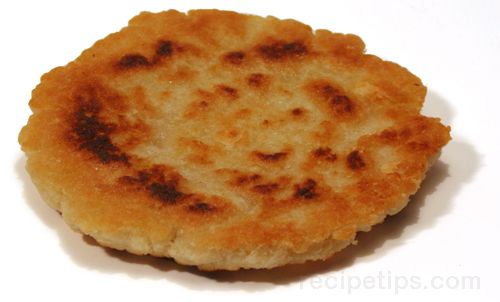
Flat Breads
Flat breads are made from both leavened and unleavened doughs. Both types have a general flat shape, although leavened flat breads are generally a bit taller and have a softer texture than unleavened flat breads.
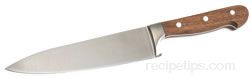
Construction | Handles | Blade Material | Cutting Edges | Knife VarietiesChoosing the Right Knife | Maintaining and Storing | Sharpening
To choose a knife that is of good quality and best fits your needs, you need a basic knowledge of the various parts and construction of a knife.
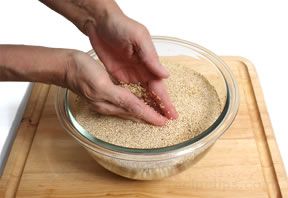
Grinding or milling various types of flour in the home can be accomplished with only a few basic tools. Some tools make the job easier and some types of flour are easier to create depending on the type of grain or other substance that is used.
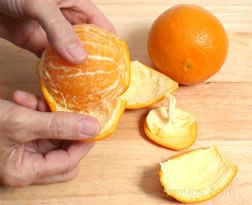
Orange Preparation | Freezing Oranges | Orange Recipes | Tips
Oranges
A baseball-sized citrus fruit that generally has an orange skin and flesh that is a segmented ball of pulp and juice wrapped in a thin semi-transparent membrane.
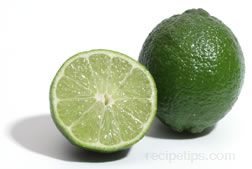
Lime Preparation | Lime Recipes | Tips
Limes
A small green citrus fruit providing juice or peel that is added to food dishes for a refreshing, tart flavor. It is the smallest of the citrus fruit family.
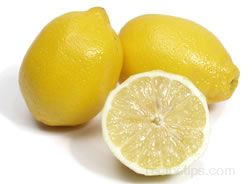
Lemon Preparation | Lemon Recipes | Tips
Lemons
An oval shaped, yellow citrus fruit with flesh that is generally contained in 8 to 10 segments. It has a bright yellow skin that can be thin and lightly textured or thick and heavier textured.
Tools for Preparation | Lettuce Preparation | Tips
Lettuce
A family of vegetables consisting of five varieties classified according to shape and growth. Vitamin A and potassium are the most notable nutrients in lettuce.
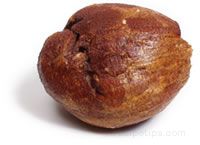
Hams | Raw Hams | Specialty Ham | Miscellaneous
Hams
Hams are cuts of pork that come from the leg, which have been dry cured (country hams) or wet-cured (city hams) and then boiled or smoked.
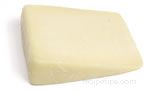
There are many varieties of pre-made sauces available in food stores and specialty shops that can be used with all varieties of pasta. Experimenting with the pre-made sauces will be the best way to determine what fits your personal preference.

When determining how much pasta to purchase, it is best to buy according to weight because it is difficult to measure the varying sizes and shapes of pasta. If following a recipe, purchase the amount required by the recipe.
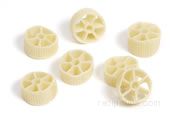
There are a large variety of pasta shapes and noodles available. When selecting the variety of pasta you are going to purchase, you must consider the size and shape of the pasta and which varieties will go best with the sauce or dish you are preparing.
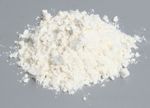
When making homemade pasta you will need to decide what type of flour you want to use. If making a flavored pasta that requires something other than a different variety of flour, you will need to purchase the necessary flavoring agent.
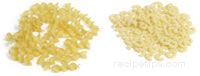
When shopping for pasta there are several details that you need to consider to be assured of purchasing the quantity, quality and type of pasta or pasta ingredients to satisfy your needs.
Generally the color of the pasta is a result from the flavoring agent used in the pasta. The taste from the flavoring agents is most often fairly mild. Shown below are some of the most common flavoring agents and how to add them to your homemade pasta.
Top 114 articles found
Displaying 101-114 | << Prev 20


Advertisement
Advertisement