
Loading
Search
We hope you found what you are searching for. If not, contact us and let us know what your want. We will do the work for you and get back to you when we're done.
breading or breaded - Knowledge Search
Top 172 articles found
Displaying 101-120 | << Prev 20 | Next 20 >>
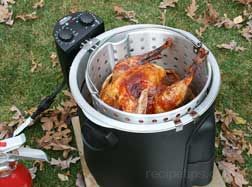
Deep-frying, also known as deep-fat frying, is a process of immersing food in a deep pot containing heated oil. The turkey cooks quickly, producing a crispy surface over a tender and moist interior. It is becoming a popular alternative to roasting a whole turkey.
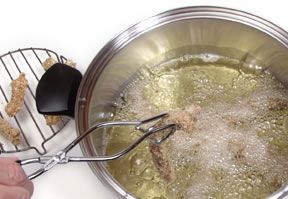
Purchasing Tips | Cooking Tips | Cooking Oil Care | Olive Oil Tasting
Oils and Fats Purchasing Tips
Purchasing Tips
A product labeled "whipped butter" is regular butter that has had air beaten into it in order to increase the volume and to make it easier to spread.
Sautéing | Pan-Frying | Stir-Frying | Deep-Frying | Grilling and BroilingBaking with Olive Oil | Smoke Point | Cooking Guidelines
Sautéing
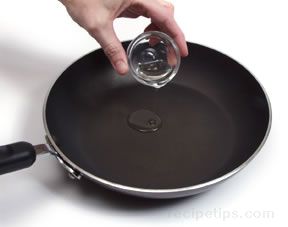
Sautéing is a cooking process using high heat that browns and sears food quickly in a small quantity of oil or fat in a skillet.
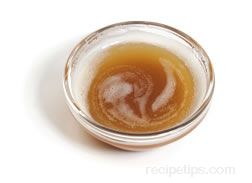
Most of the edible fats described below are solid or semisolid at room temperature and most are from animal sources. A small number of plant fats are also naturally solid or semisolid at room temperature.

Oil Extraction Methods | Types of Edible Liquid FatsOlive Oil Basics | Types of Olive Oil
Oil Extraction Methods
There are numerous edible oils obtained from plant sources that are used for hundreds of culinary, pharmaceutical, and cosmetic products.

Selecting a Date | Choosing a Setting | Party Themes | InvitationsMenu and Serving Ideas | Decorations | More Ideas | Graduation Recipes
Graduation Day. The day every teenager has been waiting for since they started high school.
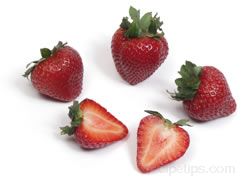
Strawberry Preparation | Strawberry Cooking | Freezing Strawberries | Tips
Strawberries
Large, juicy, red berries that are very sweet when ripe and grow on a low-growing perennial plant that has horizontal runners that spread along the ground.
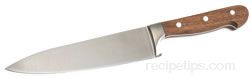
Construction | Handles | Blade Material | Cutting Edges | Knife VarietiesChoosing the Right Knife | Maintaining and Storing | Sharpening
To choose a knife that is of good quality and best fits your needs, you need a basic knowledge of the various parts and construction of a knife.
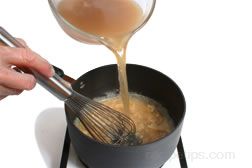
Useful Gravy Making Tools | Traditional Methods for Making GravyQuick Method for Making Gravy | Adjusting the Consistency | Gravy Making Tips
There are many recipes available for making turkey gravy, but you will find that most of them call for the use of the turkey drippings and the browned bits from the bottom of the roasting pan (formed as a result of oven roasting the turkey) combined with a small amount of fat, to produce gravy with the best flavor and color.
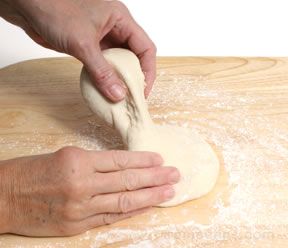
Nutritional Advantages | All About Gluten
Nutritional Advantages of Various Types of Flour
Most types of flour are composed mainly of carbohydrates, but the quantity varies according to the type of substance used to create the flour.
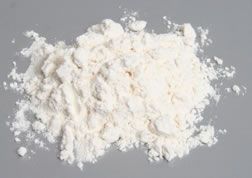
Most types of flour keep well in a sealed container in a cool, dry, and dark location. The original paper packaging used for many types of flour is fine for long term storage as long as the package has not been opened.
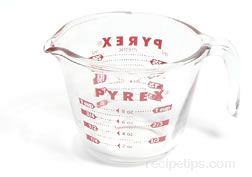
Individual graduated dry measuring cups are used to measure large quantities of flour while measuring spoons can be used to measure the smallest quantities.
When measuring flour, it is best to fill the measuring device until the flour is heaping above the rim.
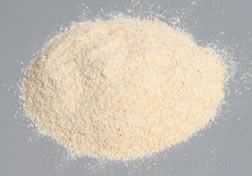
Type of Flour
Where the Flour can be Purchased
Amaranth Flour
Commonly found in natural and health food stores
Specialty shops
Large food stores
Mail order suppliers
Arrowroot Flour
Some large food stores
Specialty shops
Natural and health food stores
Barley Flour
Natural and health food stores
Specialty shops
Large food stores
Buckwheat Flour
Natural and health food stores
Specialty shops
Kosher markets
Kosher sections of large food stores
Mail order suppliers
Corn Flour
Cornmeal, Corn Flour, and Cornstarch:
Most food stores
Hispanic markets
Atole Flour, Blue Cornmeal, Harinilla, and Masa Harina:
Hispanic markets
Specialty shops
Hispanic sections of some large food stores
Mail order suppliers
Farro Flour
Natural and health food stores
Specialty shops
Mail order suppliers
Flax Seed Meal/Flour
Natural and health food stores
Specialty shops
Well-stocked food stores
Garbanzo Bean Flour
Middle Eastern markets
Specialty shops
Natural and health food stores
Job's Tears Flour
Natural and health food stores
Some Asian markets
Mail order suppliers
Kamut® Flour
Natural and health food stores
Specialty shops
Millet Flour
Natural and health food stores
Mail order suppliers
Indian, African, and Korean markets
Some large food stores
Oat Flour
Large food stores
Natural and health food stores
Specialty shops
Quinoa Flour
Natural and health food stores
Some large food stores
Rice Flour
White Rice Flour:
Most large food stores
Natural and health food stores
Brown Rice Flour:
Natural and health food stores
Specialty shops
Sometimes found in large food store
Chinese, Japanese, Thai, Italian, Spanish, Middle Eastern, or any other market specializing in rice varieties native to a particular nation or region.
Commercial Flour Milling
The wheat flour milling process begins after the wheat is harvested and is delivered to local elevators where it is graded and sold. The wheat is then delivered to the flourmill, where the first step is to remove the dirt and impurities.
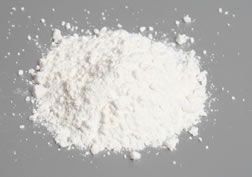
Types of Non-Wheat Flour Ground from Tubers
Arrowroot
The fleshy round tubers of the arrowroot plant produce an edible starch after processing, which is then ground into a fine powder.
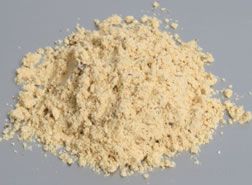
Types of Non-Wheat Flour Ground from Legumes
Garbanzo Bean Flour
Garbanzo bean flour is a variety of flour that is most often used in East Indian and Middle Eastern cooking.
Types of Non-Wheat Flour Ground from Seeds
There are many types of flour milled from a wide variety of seeds. Most of the seeds used for flour are also prepared and cooked similar to actual cereal grains, so many people make no distinction between grain-like seeds and actual grains because of the similar ways in which they are used.
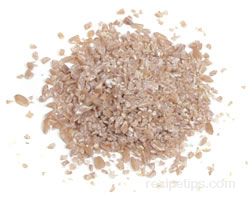
Described below are some of the products (including flour) created directly from wheat. Other than a few exceptions, products that are created after the grain has been milled into flour are not described, because they are so numerous.
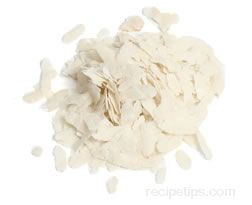
Described below are some of the products (including flour) created directly from rice. Other than a few exceptions, products that are created after the grain has been ground into flour are not described, because they are so numerous.
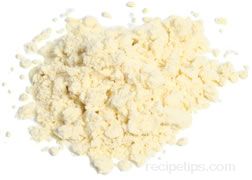
Described below are some of the products (including flour) created directly from corn. Other than a few exceptions, products that are created after the grain has been ground into flour are not described, because they are so numerous.
Top 172 articles found
Displaying 101-120 | << Prev 20 | Next 20 >>


Advertisement
Advertisement