
Loading
Search
We hope you found what you are searching for. If not, contact us and let us know what your want. We will do the work for you and get back to you when we're done.
roaster oven - Knowledge Search
Top 104 articles found
Displaying 81-100 | << Prev 20 | Next 4 >>
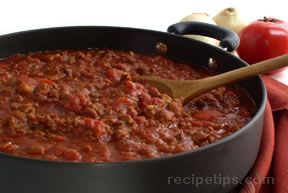
Kitchen Tips and Techniques: Chili | Preparing Basic Chili Ingredients | Storing Leftover Ingredients
Kitchen Tips and Techniques: Chili
Fully develop the flavor of homemade chili by browning the meat along with the spices and onions.
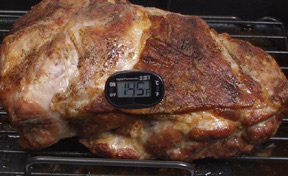
Ham is usually served on the holidays, so be sure to read our tips to learn how to cook and bake the perfect ham for your guests. There are many ham glaze recipes that can be used to enhance the flavor of ham and there are many different methods of cooking ham that can be used. When you end up with excess ham after a meal there are many leftover ham recipes that you can make to use up the leftovers.
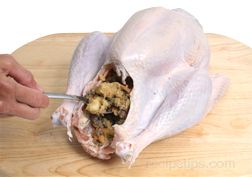
Today's trend is to cook stuffing separately from turkey, the reason being safety and speed. Stuffing must reach a temperature of 165º F to kill harmful bacteria. By the time enough heat has reached the stuffing to render it safe, the turkey can be overcooked.
Ingredient Tips | Preparation TipsCooking & Baking Tips | Miscellaneous Tips
There are an endless number of kitchen tips available for you to try. Shown below are some popular tips that will help you in your everyday use of some common baking and cooking ingredients.
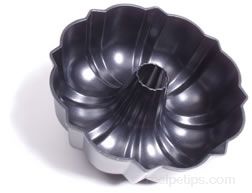
Bakeware Pan Sizes | Bakeware Materials | Types of Bakeware
Bakeware Pan Sizes
When you are preparing to create a recipe that requires the use of bakeware, you should first determine whether you have the proper size pan.
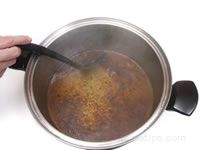
The reasoning behind cooking with wine is to intensify and enhance the flavor of food. Wine is known to release flavors in food that otherwise could not be experienced. The following are guidelines and tips particularly directed at the novice cook or a cook new to the world of cooking with wine.
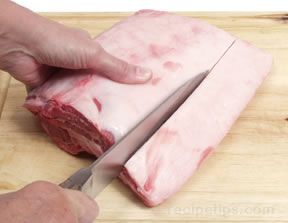
Thawing | Preparing a Rack of Lamb | Preparing a Crown RoastPreparing a Guard of Honor | Boning and Butterflying a Leg of Lamb | Grinding
Thawing
Lamb that has been frozen should never be defrosted at room temperature because harmful bacteria may grow rapidly under such conditions.
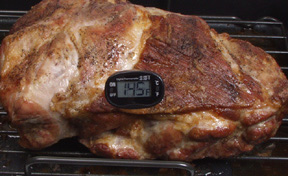
Checking doneness is accomplished in basically the same manner regardless of the cooking method you are using. While some methods are more accurate than others, there are certain cuts for which some methods will not be suitable.
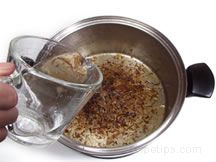
Braising and stewing are very similar moist heat methods of cooking. They both use the same process of searing to enhance color and flavor, and slow cooking in liquid to produce tender, moist meat.
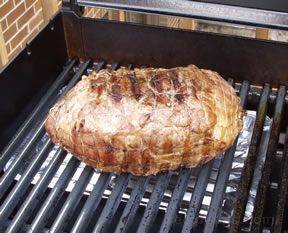
When pork is grilled or broiled at the proper cooking times and temperature, the meat will have a crisp flavorful outside coating with a moist center. Grilling and broiling are basically the same type of cooking method, using dry heat that quickly cooks the surface of the pork and then slowly moves to the middle.
For the best results, the stuffing should be prepared immediately before the turkey will be stuffed, and the turkey should be stuffed immediately before it is ready to go into the oven.
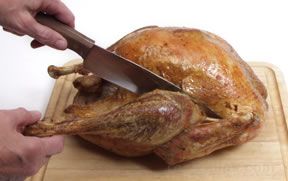
Cooking and carving a turkey can seem like a challenge but if you follow some basic guidelines it can be accomplished successfully. If you are cooking a turkey that is whole, there are several methods that can be used.
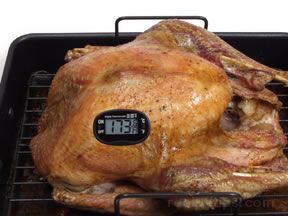
General Guidelines for Proper DonenessMeat Thermometers | Unsafe Cooking Methods
General Guidelines for Proper Doneness
Consider the Following Points whenDetermining the Proper Doneness of Turkey
A whole turkey should be cooked until the internal temperature of the breast meat reaches 170°F and the deepest portion of the thigh reaches 180°F.
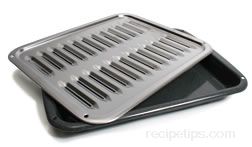
Differences between Broiling and Grilling | Broiling Turkey | Broiling and Grilling Tips
Differences between Broiling and Grilling
Broiling is a cooking method in which food is cooked with a high heat source.
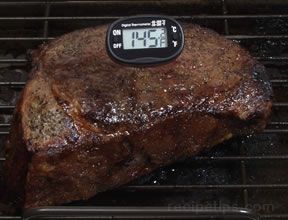
General Guidelines | Degree of Doneness | Meat Thermometers
General Guidelines
Even though harmful bacteria are usually only on the surface of whole beef cuts, there is growing concern that bacteria may be present in the internal portions of the meat as well, which is why it is now recommended that whole beef cuts be cooked to an internal temperature of not less than 145°F.

The following points should be considered when purchasing cuts of beef:
Lean boneless cuts yield up to 4 servings per pound.
Beef cuts with some bone yield up to 3 servings per pound.
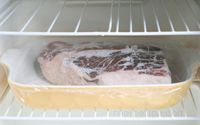
Refrigerator Method | Microwave MethodDefrosting Time | Additional Thawing and Defrosting Tips
Refrigerator Method
(Recommended)
Frozen beef should not be defrosted at room temperature.
To see information on some of the many chicken products that are available, select one of the items above.
Miscellaneous Products
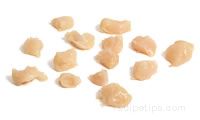
Diced Chicken
Skinless and boneless chicken diced up into pieces.
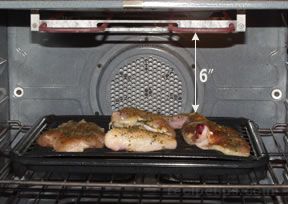
Tenderness Tips
Avoid freezing whenever possible to eliminate additional moisture loss during thawing, which results in less tender meat.
Keep chicken from drying out in the refrigerator by keeping it tightly wrapped.
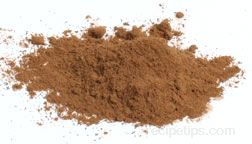
Use this food substitution and conversion chart to select ingredient substitutes when you are cooking and your recipe suggests ingredients you do not have available.
Herbs, Spices and Seasonings | Baking Ingredients | Cheese and Dairy Products | Eggs | Fats, Oils and Vinegars | Fruits and Vegetables | Miscellaneous | Healthy
Herbs, Spices and Seasonings Substitutions
Food
Amount
Substitute
Allspice
1 tsp
1/2 tsp cinnamon, 1/2 tsp ground cloves OR1/2 tsp ground cinnamon, 1/4 tsp.
Top 104 articles found
Displaying 81-100 | << Prev 20 | Next 4 >>


Advertisement
Advertisement