
Loading
Search
We hope you found what you are searching for. If not, contact us and let us know what your want. We will do the work for you and get back to you when we're done.
salami cooked beef - Knowledge Search
Top 63 articles found
Displaying 41-60 | << Prev 20 | Next 3 >>
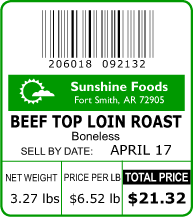
The food label on packaged beef provides a variety of information designed to make shopping as easy as possible. The label provides the following information depending on the type of beef product that is purchased:
Description of Beef Cut
The label on raw beef cuts contains the name of the primal cut the beef was taken from, the name of the retail or market ready cut, a short description (bone-in or boneless), the total weight, and cost per pound.

USDA Mandatory Inspection | USDA Optional Grading | Religious Restrictions
USDA Mandatory Inspection
All beef sold in the United States must pass inspection by the Food Safety and Inspection Service (FSIS) of the United States Department of Agriculture (USDA).
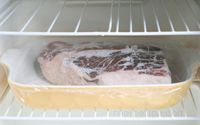
Refrigerator Method | Microwave MethodDefrosting Time | Additional Thawing and Defrosting Tips
Refrigerator Method
(Recommended)
Frozen beef should not be defrosted at room temperature.

Sautéing | Pan-Frying | Stir-Frying | Deep-Frying | Grilling and BroilingBaking with Olive Oil | Smoke Point | Cooking Guidelines
Sautéing
Sautéing is a cooking process using high heat that browns and sears food quickly in a small quantity of oil or fat in a skillet.

The following points should be considered when purchasing cuts of beef:
Lean boneless cuts yield up to 4 servings per pound.
Beef cuts with some bone yield up to 3 servings per pound.
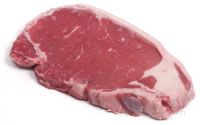
When purchasing packaged fresh beef in a food store, the packages should be cold and the meat should be firm. The packaging should be in good condition with no tears or holes in the wrapping.
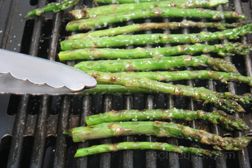
Cooking with asparagus can range from recipes prepared in the oven, on the stove top, on the grill or even in the microwave. Utilizing various cooking methods can offer diverse and appetizing flavors all from the same bunch of asparagus.
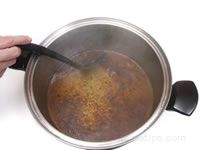
The reasoning behind cooking with wine is to intensify and enhance the flavor of food. Wine is known to release flavors in food that otherwise could not be experienced. The following are guidelines and tips particularly directed at the novice cook or a cook new to the world of cooking with wine.
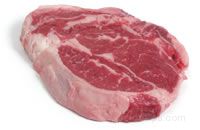
SteaksSteaks are among the most popular fresh beef cuts. The best steaks, in terms of tenderness, are from the loin and include the Filet mignon, Porterhouse, T-bone, and top loin strip.
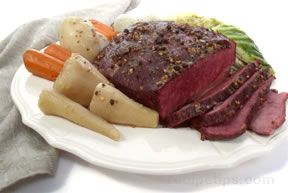
A hearty corned beef and cabbage dinner is most often associated with St. Patrick's Day celebrations, especially in the United States where it has become a popular holiday dish. Although it is often thought to be an Irish recipe, it is rarely served in Ireland.
Learning about various cuts can make shopping for beef a much easier experience. A general knowledge of beef cuts and how they are best used will help you select the proper cut for a particular recipe.
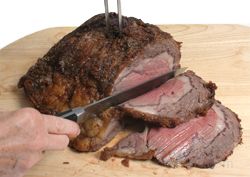
Purchasing | Preparing Prime Rib | Prime Rib Marinades | Rubs for Prime RibCooking Prime Rib | Checking Doneness | Carving Prime Rib | Serving Prime Rib
Knowing how to cook prime rib requires the understanding of only a few preparation steps and watching the temperature of the prime rib closely as it cooks.
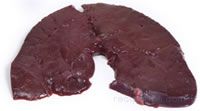
Variety MeatsVariety meats include some of the organs and extremities. Some variety meats are readily available in food stores and most are available from a butcher or specialty meat market, but may require special ordering.
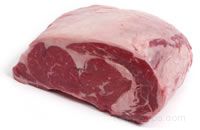
Oven Roasts
An oven roast is usually a minimum of 2 inches thick. The dry heat of oven roasting enhances the flavor and tenderness of the beef if it is not overcooked. The best oven roasts are from the tender cuts of the loin and rib primals.
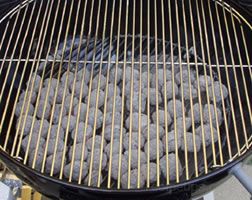
Direct
Indirect
Understanding the two most popular grilling styles, Direct and Indirect, is essential for creating a perfect grilled entrée. There are instances when both Direct and Indirect methods are appropriate.
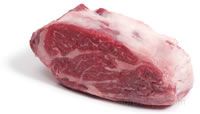
Pot Roasts
Cuts from the chuck are among the most popular cuts for pot-roasting (braising). They have plenty of connective tissues that melt when the meat is pot-roasted making it tender and flavorful.
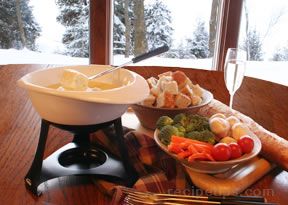
Whether you are serving classic cheese fondue or delectable chocolate dipping sauce, there are basic guidelines on how to fondue. We provide you with a good understanding of the fondue pot, accessories, safety procedures, and great ideas on dipping sauces and foods.
When using substitutions for recipes calling for wine, the final product will not be the intended product but it should still impart great flavor.
White Wine Substitutions
Red Wine Substitutions
Non-alcoholic white wine
Non-alcoholic red wine
1/3 cup white grape juice + 1/2 tbsp.

Use this food substitution and conversion chart to select ingredient substitutes when you are cooking and your recipe suggests ingredients you do not have available.
Herbs, Spices and Seasonings | Baking Ingredients | Cheese and Dairy Products | Eggs | Fats, Oils and Vinegars | Fruits and Vegetables | Miscellaneous | Healthy
Herbs, Spices and Seasonings Substitutions
Food
Amount
Substitute
Allspice
1 tsp
1/2 tsp cinnamon, 1/2 tsp ground cloves OR1/2 tsp ground cinnamon, 1/4 tsp.
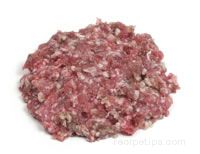
Pork Sausage
There are many different types sausage available. They are made from fresh ground pork, seasonings, fat, preservatives, and fillers, such as breadcrumbs, rice, cereal, soybean flour, and dried milk solids.
Top 63 articles found
Displaying 41-60 | << Prev 20 | Next 3 >>


Advertisement
Advertisement