
Loading
Search
We hope you found what you are searching for. If not, contact us and let us know what your want. We will do the work for you and get back to you when we're done.
roast turkey breast - Knowledge Search
Top 49 articles found
Displaying 21-40 | << Prev 20 | Next 9 >>
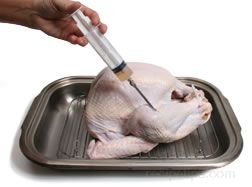
Flavor injecting turkey not only adds flavor to the meat but also results in a moist and juicy bird. The flavoring is injected into the meat of the turkey as opposed to rubs that only season the skin.
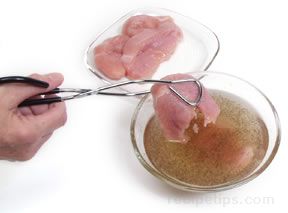
Marinating turkey can be done in order to add flavor to the meat as well as to tenderize it. The proper combination of acidic ingredients and seasonings should be maintained in order to achieve both.
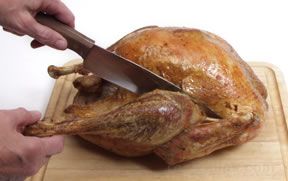
Cooking and carving a turkey can seem like a challenge but if you follow some basic guidelines it can be accomplished successfully. If you are cooking a turkey that is whole, there are several methods that can be used.
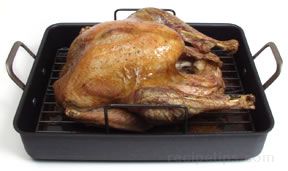
Contamination Prevention | Cooking Safety | Proper Storage
Contamination Prevention
Shopping
When shopping for fresh turkey, make sure it is among the last items selected so that the length of time it is without refrigeration is as short as possible.
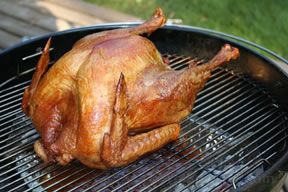
The required cooking temperature and the method for grilling turkey depend on the thickness of the turkey meat and whether or not the skin is removed. Grilling turkey parts or slices would be done using direct heat. Grilling a whole turkey would be done using indirect heat.
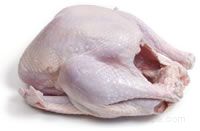
Thawing a frozen turkey should only be done in the refrigerator to ensure food safety. Read "Thawing Turkey" for more information.
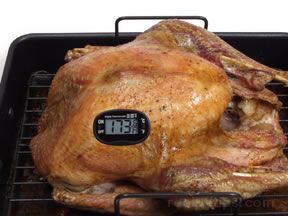
General Guidelines for Proper DonenessMeat Thermometers | Unsafe Cooking Methods
General Guidelines for Proper Doneness
Consider the Following Points whenDetermining the Proper Doneness of Turkey
A whole turkey should be cooked until the internal temperature of the breast meat reaches 170°F and the deepest portion of the thigh reaches 180°F.
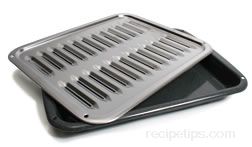
Differences between Broiling and Grilling | Broiling Turkey | Broiling and Grilling Tips
Differences between Broiling and Grilling
Broiling is a cooking method in which food is cooked with a high heat source.
The required cooking temperature and the method for grilling turkey depend on the thickness of the turkey meat and whether or not the skin is removed. Grilling turkey parts or slices would be done using direct heat. Grilling a whole turkey would be done using indirect heat.

The USDA recommends 2 or 3 servings of meat, fish, or poultry per day. A serving of any type of cooked meat is equal to 3 ounces and is about the size of a deck of cards. Concerns over saturated fat and cholesterol have caused many people to reduce or eliminate their consumption of many types of red meat and to choose a healthier alternative such as turkey.
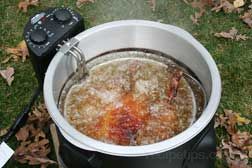
Extreme care is necessary to ensure safety when deep-frying a whole turkey. Because the required equipment can be cumbersome and the large quantity of hot oil necessary for cooking a whole bird can be dangerous, deep-frying a whole turkey is much less safe than deep-frying food on a smaller scale.
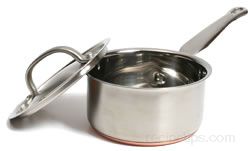
The poaching process cooks turkey with the use of simmering liquid in a covered pan. The liquid is brought to a boil, the turkey is placed in the boiling liquid, the heat is reduced so that the liquid is at a gentle simmer, and the pan is covered.
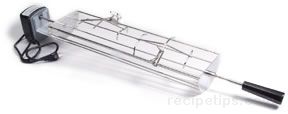
General Guidelines for Rotisserie Grilling of TurkeyRotisserie Grilling Using a Charcoal GrillRotisserie Grilling Using a Gas Grill | Turkey Doneness
Rotisserie grilling requires three key components: The spit assembly, a means to turn the spit, and a heat source for cooking.
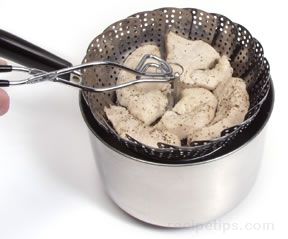
Like braising and stewing, steaming is a moist heat cooking method that results in tender and flavorful turkey through the use of steam. Unlike braising and stewing, the meat is not actually placed in heated liquid, but is suspended above it.
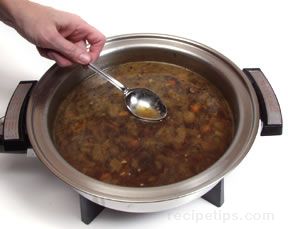
Braising is a cooking process in which tougher cuts of meat are cooked in liquid in order to add flavor and to moisten and tenderize the meat. It is a useful cooking method for breaking down the tough fibers in the meat.
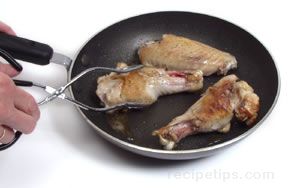
Pan-frying is similar to sautéing except that a little more oil is used, the turkey pieces are larger and thicker, and the cooking process usually requires more time. High heat is used to sear the turkey pieces in order to brown the surface and seal in the natural juices.

The proper cooking time and the correct cooking temperature are extremely important when preparing any type of poultry. The optimum flavor and tenderness of turkey, chicken, duck, or any other type of poultry can be consistently achieved when care is taken to follow the recommended cooking time and temperature guidelines.
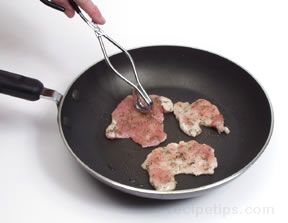
Sautéing is a cooking process using high heat that quickly browns and sears food in a small quantity of oil in a skillet. It is actually the same process as searing except that sautéing completely cooks the meat and searing is simply a means to brown the meat so that the cooking process can be completed with another method.
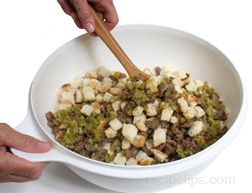
How to Make Stuffing
Ingredients | Prepare | Cooking | Other Meats | Safety | Tips
Stuffing is a side dish commonly associated with turkey and Thanksgiving but it can also be enjoyed throughout the year and with many types of meat.
The USDA recommends 2 or 3 servings of meat, fish, or poultry per day. One serving of cooked lamb is equal to 3 ounces and is about the size of a deck of cards. An average 3-ounce serving of lamb contains about 176 calories, which is comparable to many other types of red meat and poultry.
Top 49 articles found
Displaying 21-40 | << Prev 20 | Next 9 >>


Advertisement
Advertisement