
Loading
Search
We hope you found what you are searching for. If not, contact us and let us know what your want. We will do the work for you and get back to you when we're done.
cooking buckwheat - Knowledge Search
Top 21 articles found
Displaying 1-20 | Next 1 >>
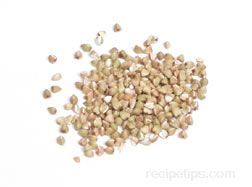
Hot Liquid Cooking Techniques for Grain | Cooking Buckwheat
The three basic techniques for cooking buckwheat with hot liquid are boiling, absorption, and steaming, which are perhaps the most popular methods for cooking most whole grains.
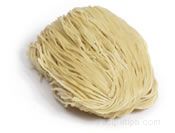
Asian Noodles
Asian noodles consist of strands that vary in shape, width, and length. Many Asian noodles are very long in length, symbolizing longevity. They can be thin straight sticks, flat strands, round strands, and wavy strands.
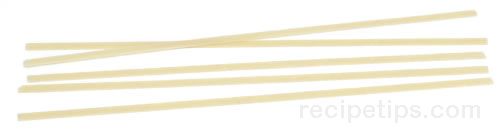
Ribbon pasta, which is flat strands of pasta, is available in different lengths, widths and thickness. Some are short and wide, while others are long and narrow. Ribbon pasta can have straight or wavy edges and many varieties are available fresh and dried.
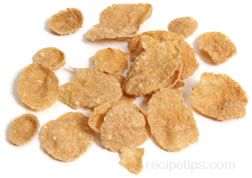
Described below are some of the products (including flour) created directly from various grains. Other than a few exceptions, products that are created after the grain has been ground into flour are not described, because they are so numerous.
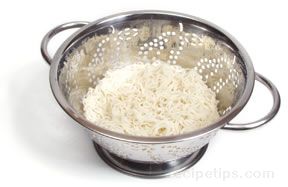
A wok, which has deep tapered sides, is a traditional type pan used for stir-frying. A wok works well but is not a necessity. A nonstick deep skillet also works very well. If rice noodles or mung bean noodles are going to be added to the stir-fry, they are sometimes deep-fried in the wok or deep skillet first and then set aside while other ingredients are stir-fried according to the recipe.
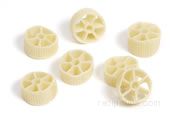
Basic Types | Flavors and Colors | Pasta Shapes | Pasta Sauces
Pasta is a basic staple ingredient used in cooking. It is available in hundreds of shapes worldwide and in many different flavors.
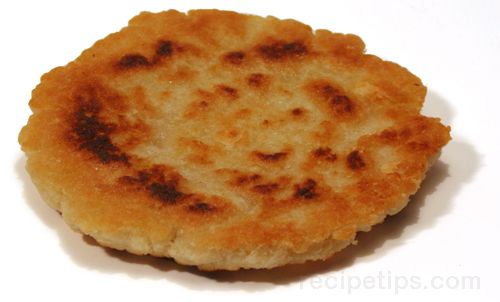
Flat Breads
Flat breads are made from both leavened and unleavened doughs. Both types have a general flat shape, although leavened flat breads are generally a bit taller and have a softer texture than unleavened flat breads.
Tips - Home Flour Milling | Substitutions
Tips - Home Flour Milling
Amaranth Flour
Amaranth seeds are very small so they are difficult to grind into flour with conventional kitchen equipment.
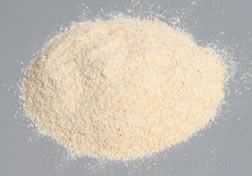
Types of Non-Wheat Flour Ground from Seeds
There are many types of flour milled from a wide variety of seeds. Most of the seeds used for flour are also prepared and cooked similar to actual cereal grains, so many people make no distinction between grain-like seeds and actual grains because of the similar ways in which they are used.

Food Related Allergies | Food Related Intolerances | Food Labeling
Food Related Allergies
Allergic reactions in humans are initiated by the immune system through an endless number of stimuli including bee stings, vinyl, metals, dust, cosmetics, medicines, and so on.
Food Allergy Symptoms | Foods Causing Allergic ReactionsIntolerances Caused By Food | Gluten Allergies and Intolerances
Food allergies are a growing problem, perhaps because previously undiagnosed maladies are now recognized as reactions caused by various foods.
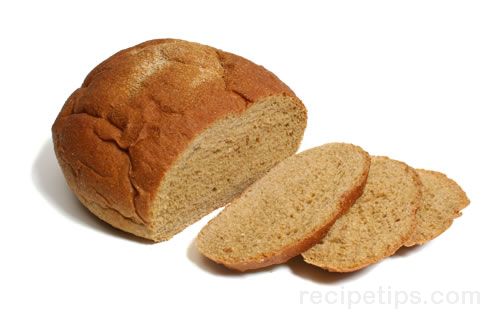
Enriched and/or Flavored Breads
Some basic yeast bread recipes are enhanced with other ingredients that change the characteristics of the bread including the texture, flavor, and color.
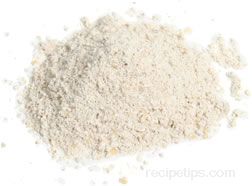
Types of Wheat Flour | Types of Non-Wheat FlourImportance of Gluten | Wheat/Non-Wheat Flour Proportions
Flour is the main ingredient in all types of breads. Different types of flour milled from wheat are most commonly used for making bread.
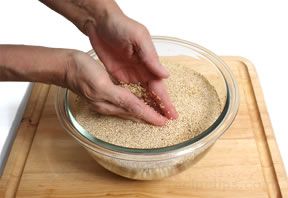
Grinding or milling various types of flour in the home can be accomplished with only a few basic tools. Some tools make the job easier and some types of flour are easier to create depending on the type of grain or other substance that is used.
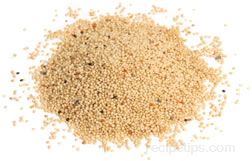
General Nutritional Facts of Grains | Specific Nutritional Facts of Individual Grains
General Nutritional Facts of Grains
Grains are composed primarily of carbohydrates, but the quantity varies according to the type of grain.
General Guidelines | Recommended Storage Methods for Whole Grains
General Guidelines
Like many other foods, grains are perishable; however, the shelf life of grains is usually much longer than that of most foods.
A wok, which has deep tapered sides, is a traditional type pan used for stir-frying. A wok works well but is not a necessity. A nonstick deep skillet also works very well. If rice noodles or mung bean noodles are going to be added to the stir-fry, they are sometimes deep-fried in the wok or deep skillet first and then set aside while other ingredients are stir-fried according to the recipe.
When making homemade pasta you will need to decide what type of flour you want to use. If making a flavored pasta that requires something other than a different variety of flour, you will need to purchase the necessary flavoring agent.
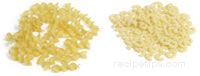
When shopping for pasta there are several details that you need to consider to be assured of purchasing the quantity, quality and type of pasta or pasta ingredients to satisfy your needs.
Top 21 articles found
Displaying 1-20 | Next 1 >>


Advertisement
Advertisement