
Loading
Search
We hope you found what you are searching for. If not, contact us and let us know what your want. We will do the work for you and get back to you when we're done.
oil corn and canola - Glossary Search
Top 7 glossary terms found
Displaying 1-7
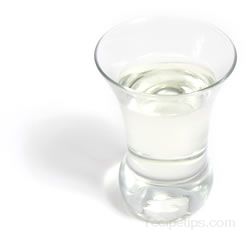
Oil that is obtained from walnuts that are pressed to extract the natural oil. The richly flavored oil makes it a good choice for use in salad dressings and sauces, but it is more expensive than several other popular oils such as corn oil or canola oil.

The temperature at which fats in cooking oils begin to break down, creating smoke as the oil is heated.
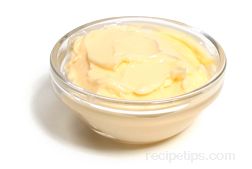
An oil that is extracted from the seeds or nuts of vegetable plants, such as corn, soybeans, peanuts, safflower seeds, sunflower seeds, and rape seeds (used for canola oil), that is turned into a spreadable form of margarine to be used as a replacement for butter.
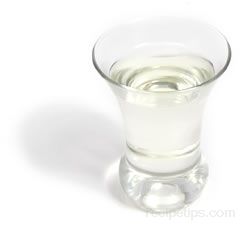
A liquid cooking oil that is extracted from the fruit, seeds, or nuts of a vegetable plant, such as corn, soybeans, peanuts, safflower seeds, sunflower seeds, and rapeseeds (used for canola oil).
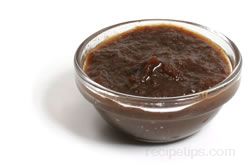
Any of a variety of alternate ingredients that can be used instead of oil or butter in the preparation of foods.
A process that bathes food with low level gamma rays (x-rays) or an electron beam (e-beam) to reduce or kill microorganisms, such as e-coli, listeria, salmonella and campylobacter that may cause illnesses from exposure to harmful pathogens.
A process that bathes food with low level gamma rays (x-rays) or electron beams (e-beam) to reduce or kill microorganisms, such as e-coli, listeria, salmonella and campylobacter that may cause illnesses from exposure to harmful pathogens.
Top 7 glossary terms found
Displaying 1-7


Advertisement
Advertisement