
Loading
Search
We hope you found what you are searching for. If not, contact us and let us know what your want. We will do the work for you and get back to you when we're done.
direct leavening method - Glossary Search
Top 6 glossary terms found
Displaying 1-6
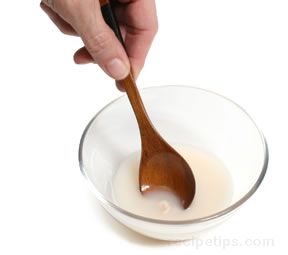
A type of leavening method in which yeast is activated in warm water before it is mixed with the other ingredients to form bread dough.
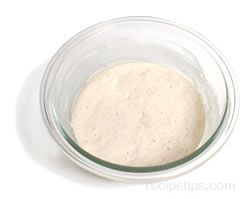
A type of bread dough leavening method that combines some of the benefits of the direct leavening method with the some of the benefits of the sourdough starter leavening method.

The process of adding a substance to bread dough (and other baked goods) that enables the dough to rise.
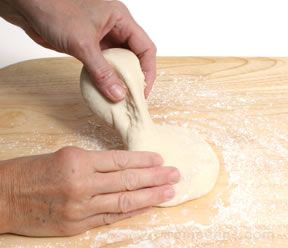
A traditional method of leavening bread using a small piece of dough from the previous batch of bread to create a starter dough for the next batch.
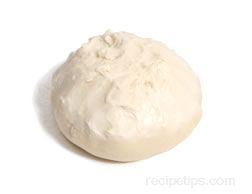
A traditional method of leavening bread dough requiring only a flour, water, and yeast mixture, which is allowed to ferment for varying periods depending on the type of bread being prepared.
A leavening agent for sourdough bread that enables the bread dough to rise. The primary difference between making bread with a sourdough starter and making bread with the direct or straight yeast method (the method familiar to most home cooks) is that starter breads require much more time to prepare, but the flavor and texture of the bread is almost impossible to achieve with other leavening methods.
Top 6 glossary terms found
Displaying 1-6


Advertisement
Advertisement