
Loading
Search
We hope you found what you are searching for. If not, contact us and let us know what your want. We will do the work for you and get back to you when we're done.
chinese gooseberry - Glossary Search
Top 9 glossary terms found
Displaying 1-9
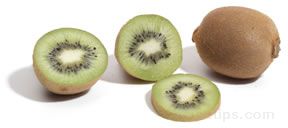
An egg-sized berry with a brown, furry skin and green flesh, more popularly known as kiwifruit. Although native to China, they are grown in other parts of the world, especially New Zealand.
baby kiwi,
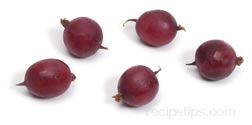
A large berry native to Europe, related to the currant berries. It is still very common in Europe, but is much less common in the United States.

Considered to be a type of bush berry, this fruit is most often found growing in cooler climates. Surrounded by a pod that is a paper husk or calyx with visible veins, the Cape Gooseberry is a close relative to the Mexican tomatillo or the Ground Cherry, but it is not the same fruit.
Most notably known as "Sauvignon Blanc". Pronounced so-veen-yawn blahngk. A grape varietal used in the production of white wine.
Most notably known as "Sauvignon Blanc". A grape varietal used in the production of white wine. Thought to have originated in the Loire and Bordeaux regions of France, it is also grown in the United States (primarily California), Italy, Australia, South America, Argentina, and Chile.
A grape varietal used in the production of white wine. Thought to have originated in the Loire and Bordeaux regions of France, it is also grown in the United States (primarily California), Italy, Australia, South America, Argentina, and Chile.
Pronounced so-veen-yawn blahngk. A grape varietal used in the production of white wine. Thought to have originated in the Loire and Bordeaux regions of France, it is also grown in the United States (primarily California), Italy, Australia, South America, Argentina, and Chile.
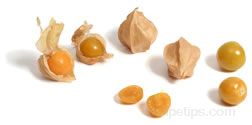
A fruit growing on low bushes, referred to as a cherry or a tomato, that is a relative of the Mexican tomatillo but smaller in size and sweeter in flavor.
Top 9 glossary terms found
Displaying 1-9


Advertisement
Advertisement