
Loading
Search
We hope you found what you are searching for. If not, contact us and let us know what your want. We will do the work for you and get back to you when we're done.
chemical leavener - Glossary Search
Top 12 glossary terms found
Displaying 1-12

Chemical compounds such as baking powder and baking soda that react with other ingredients to produce carbon dioxide gas.
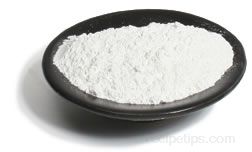
Compounds, produced from chemicals, that are used as leavens for a wide range of baked goods. Baking soda and baking powder are among the most often used chemical leavens.
The process of adding a substance to bread dough (and other baked goods) that enables the dough to rise.
A word describing baked goods that have a leavening agent added to them.
An agent added to baked goods to cause the dough or batter to rise, lightening the texture and adding volume.
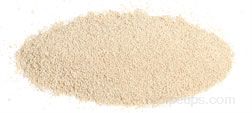
Yeast substances that produce fermentation in dough used for bread and other baked goods, causing the dough to rise without the aid of chemical additives.
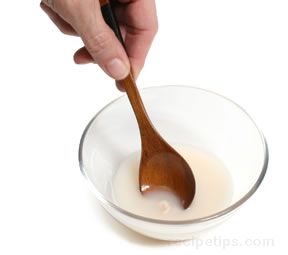
A type of leavening method in which yeast is activated in warm water before it is mixed with the other ingredients to form bread dough.
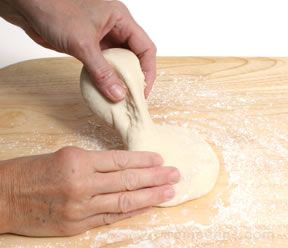
A traditional method of leavening bread using a small piece of dough from the previous batch of bread to create a starter dough for the next batch.
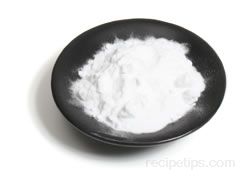
A powder made of sodium bicarbonate that is used as a leavening agent for making a variety of baked goods.
A powdered compound used in baking as a leavening agent. It consists of sodium bicarbonate (baking soda) and a starch, such as cornstarch.
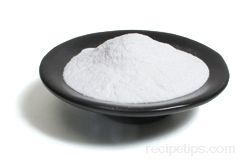
A white powder made for use as a leavening agent which is added as an ingredient when preparing many different types of baked goods that will have thin shells or crusts such as puff pasteries, flat breads, crackers, and some cookies.
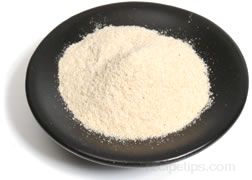
1. A product created by grinding and sifting various types of substances, such as grains, legumes, nuts, and some vegetables into a powdered form that varies from very soft to coarse in texture.
Top 12 glossary terms found
Displaying 1-12


Advertisement
Advertisement