
Loading
Search
We hope you found what you are searching for. If not, contact us and let us know what your want. We will do the work for you and get back to you when we're done.
bottle or can opener - Glossary Search
Top 28 glossary terms found
Displaying 1-20 | Next 8 >>
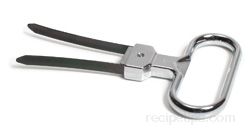
Any type of utensil used for removing the cork from wine bottles, also referred to as a "Cork Remover".
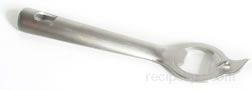
A kitchen utensil that is used to enable bottles and cans to be easily opened with leverage. The opener is formed with a die-cut opening that enables this utensil to be angled over a cap so it can be lifted up to remove crimped caps from the top of bottles.
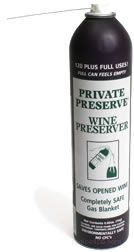
A utensil that removes excess oxygen remaining in an opened bottle of wine in order to preserve the flavor of the wine for a longer length of time.
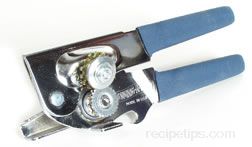
A kitchen utensil that is used to open or remove the top from a metal can. There are a wide variety of different designs available ranging from manually operated small tools to automated openers that quickly and easily remove the top of the can.
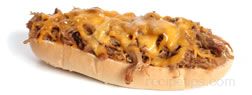
A hot or cold sandwich that consists of only one slice of bread topped with one or more ingredients, such as meat, fish, eggs, cheese, vegetables, olives, pickles, and/or a sauce.
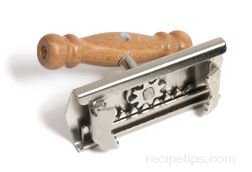
A kitchen utensil for use in removing or tightening glass jar lids. Some Jar Openers are designed as cushioned tongs that are curved to fit evenly around each side of a jar opening.

An unpleasant "nose", similar to the odor of rotten eggs, that presents itself when a bottle of wine is opened.
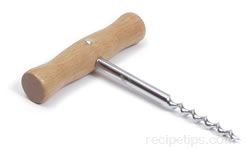
A utensil used for pulling the cork up and out from the opening of wine bottles. There are many varieties available, but four basic types are the most commonly used.
When applied to wine, it is the practice of giving wine an opportunity to breathe by opening the bottle and pouring the contents into a glass or or a container in order to expose the wine to volumes of air.
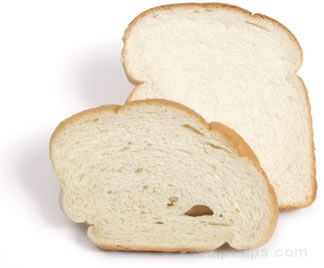
A bread with a loose consistency in the texture of the baked dough. An open crumb provides more air pockets with less dough per square inch than is provided by closed crumb breads, such as French brioche that contains less air pockets and more dough per inch.
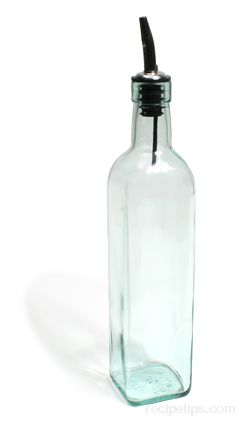
A bottle that is typically formed in a manner, such as tall and narrow, for use in conveniently holding and dispensing olive oil.
A method of allowing wine to rest for several minutes after pouring. Some bottled, aged wines need this time to develop hidden characteristics.
An unpleasant "nose" that presents itself when a bottle of wine is opened. The odor is caused by metal contamination during the ageing or wine making process.
Descriptor of wine that reveals it’s full character.
A method of canning where the food is heat processed directly in a covered kettle and then, while hot, poured into sterile jars and sealed.
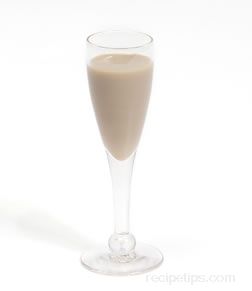
A liqueur made by mixing cream with triple or double distilled Irish whiskey, eggs, chocolate, and other flavorings or sweeteners such as vanilla and sugar.
An unpleasant "nose" that presents itself when a bottle of wine is initially opened. The odor is most often the result of rotten grapes or unclean casks.
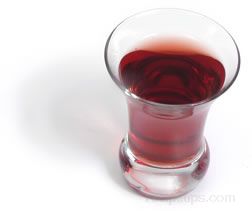
An unpleasant "nose" that presents itself when a bottle of wine is initially opened. The offensive odor is an indication that the wine is unfit for consumption.
An alcoholic beverage made from the fermented juice of fruits and vegetables. Grapes account for the largest segment of wine making.
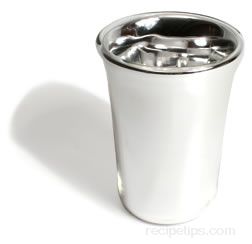
Any type of utensil or piece of equipment that is used to keep wine chilled. Depending on function, wine coolers may be a simple as a table top containers to cool wine as well as hand held totes to carry chilled wine or as elaborate as refrigerated units that hold many bottles of wine that can be maintained at specific temperatures.
Top 28 glossary terms found
Displaying 1-20 | Next 8 >>


Advertisement
Advertisement